


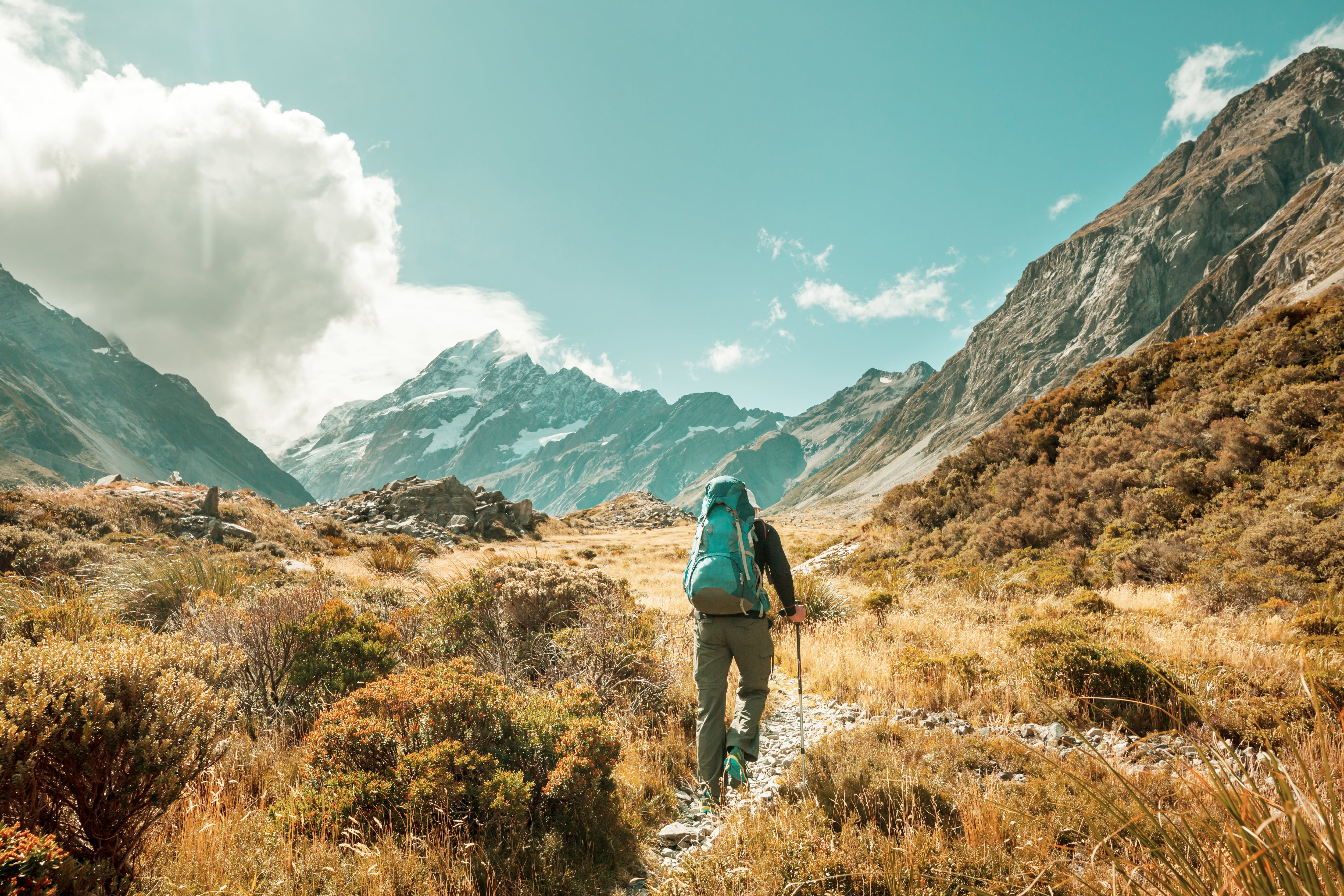
Over the public holidays many Kiwis will be looking to unplug and enjoy some uninterrupted time in nature.
But before you take a hike, take a moment to “Have a hmmm”.
In 2024, ACC accepted nearly 9000 claims for tramping-related injuries. The cost to support people recover was almost $12 million.
Tramping-related injuries can peak anywhere from January to now, when many Kiwis look to take advantage of some extra days off and hit the tracks and trails over the public holidays, said ACC injury prevention leader James Whitaker.
Fortunately, most walking and tramping injuries can be prevented, or their seriousness reduced, by thorough trip planning and sound decision-making, he said.
“Whether it’s a short walk, a day trip, or an overnight tramp, the bare minimum should be: warm clothes (insulation layers and thermal base layers), rain jacket, head torch, extra layers, plenty of food and drink, and an appropriate emergency communications device,” said Whitaker.
“A lot of hiking and tramping injuries are caused by slips and trips, so watch out for uneven ground and wear sturdy footwear for support.
“Always tramp with other people, stick together and make decisions as a group, and tell someone else where you’re going and when you expect to be back. It’s also important to choose a track that suits everyone’s abilities, and check the weather forecast, both in advance and on the day.”
NZ Mountain Safety Council (MSC) said this is due to the number of Kiwis getting out to enjoy the great outdoors.
“NZ adults who go hiking have continued to increase over the last decade with a corresponding increase in injuries,” said MSC chief executive Mike Daisley.
“Most of the injuries reported annually are minor, with people recovering quickly and with no long-term impact. These are often soft tissue injuries caused by trips, slips and falls. While some of these injuries are due to the nature of tramping – walking over rough ground with a pack on – others are avoidable or preventable.”
MSC has a range of free resources to help people prepare effectively for their trips, reducing the chance of being injured.
This includes Plan My Walk trip planning tool.
The easy-to-use free app and website are designed to improve planning, preparation and decision-making for day walkers, overnight hikers and multi-day trampers.
“We know through our extensive analysis of injuries, search and rescues, and fatalities that trip planning and preparation play a major role in prevention,” said Daisley.
“It’s great people are getting out in the outdoors and seeing the amazing scenery our country has to offer, but it’s crucial to be prepared and make safe decisions,” says Whitaker. “Stop and ‘Have a hmmm’, if in doubt, don’t go out, and always be prepared for the weather to change – even if it looks like it’s going to be great.”
There are lots of injury prevention tips and other essential information accessible to all members of the public on the MSC website.
Tramping injury data
Tramping-related injury claims and costs to treat these injuries has been trending up over the past five years. There were just over 6000 claims received in 2020, which cost just under $5.5m to help people recover. Over the past five years (2020-2024), there have been around 40,000 tramping-related injury claims, which has cost $42m to support people with their recoveries.
The regions with the highest number of tramping-related injury claims were Auckland (1463), Canterbury (1262), Otago (1214), Tasman, Nelson, Marlborough areas (861), Waikato (825), and Wellington (701). There were fewer claims for Bay of Plenty (476), and Northland (259).
The age groups with the most claims were 30-34-year-olds (922), 25-29-year-olds (882), 55-59-year-olds (767), 50-54-year-olds (741), and 35-39-year-olds (738).

0 comments
Leave a Comment
You must be logged in to make a comment.