


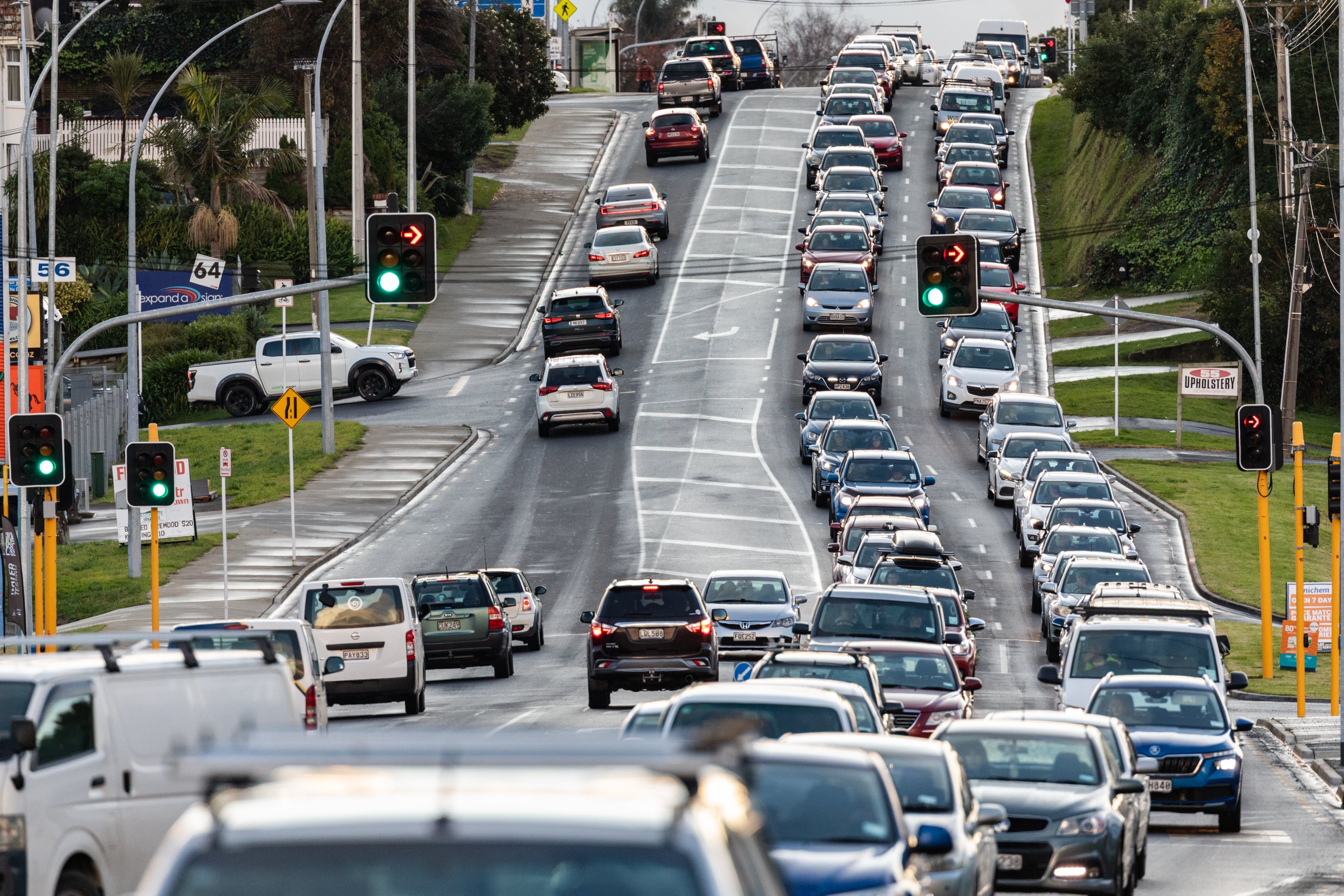
Congestion charging is a “dirty cash grab from central government”, a Tauranga City councillor claims.
Steve Morris made the comment on Monday as the council discussed its submission on the Government’s Land Transport Management (Time of Use Charging) Amendment Bill.
The bill would enable local authorities to work with the New Zealand Transport Agency to design schemes charging motorists to use roads in high-congestion zones in peak hours, for transport minister approval.
It is before Parliament’s Transport and Infrastructure Committee for public submissions, with the Government intending to pass the legislation this year.
The council’s draft submission said it supported the general intent of the bill, but some councillors opposed this position.

Tauranga City councillor Steve Morris. Photo / David Hall
Morris said he was not convinced supporting time-of-use charging was in the best interest of residents.
“People are living week to week, pay cheque to pay cheque, we are in a cost-of-living crisis, and paying for time-of-use charging is just another naked, dirty cash grab from central government, in my view.”
Morris said this was because it was not clear in the bill if the revenue from congestion charges on local roads would be used locally or elsewhere.
“This bill enables money to go into Government coffers from our residents, some of whom are struggling.”
Councillor Glen Crowther said the council should take a neutral position on congestion charging.
He said if it were introduced, alternative transport options had to be provided, meaning Government funding for public transport would be needed.
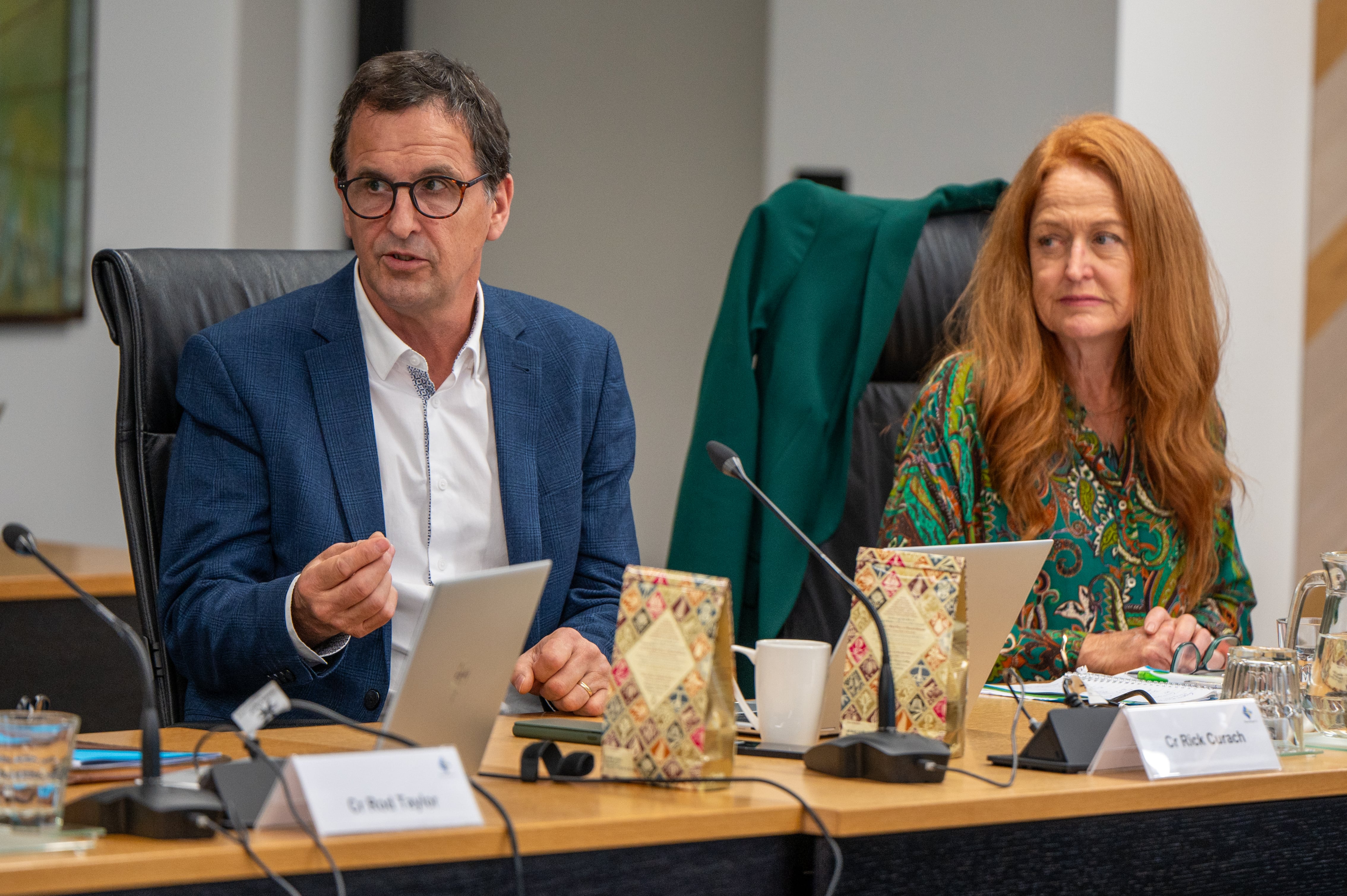
Councillor Rick Curach and deputy mayor Jen Scoular. Photo / David Hall
Councillor Rick Curach said congestion charging would be a “real burden” for people who did not have easy access to public transport.
He was concerned the Government could impose time-of-use charges focused on revenue generation rather than congestion reduction.
Curach wanted assurances congestion reduction would be quantified by a percentage and that the charges would be removed if the target was not met.
Council principal strategic transport planner Sarah Dove said the bill was silent on congestion reduction targets, but this was probably because these would vary hugely between regions.
The bill was clear that the charges were to encourage better use of existing networks through congestion reduction, she said.
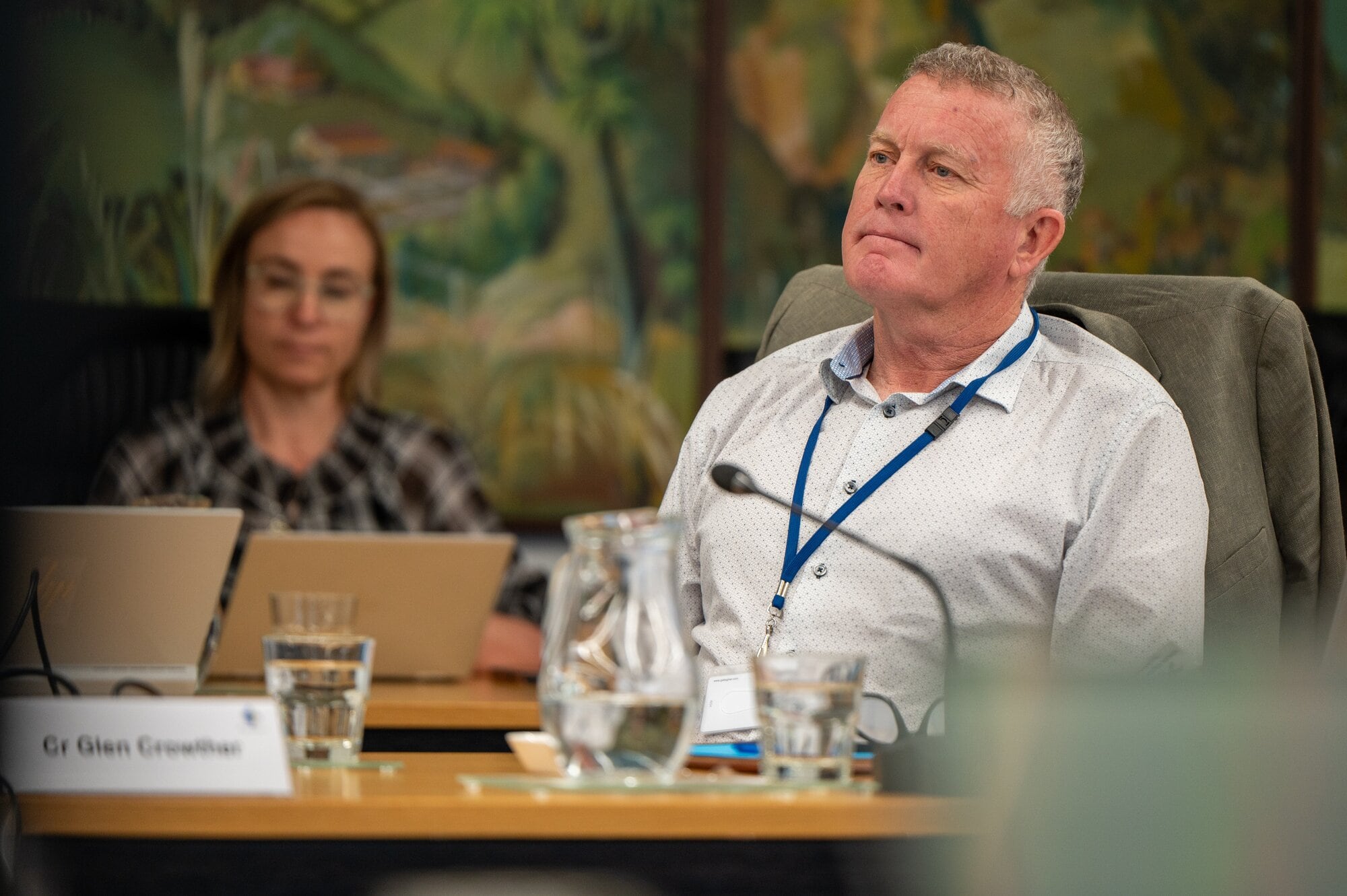
Councillor Rod Taylor. Photo / David Hall
Councillor Rod Taylor said the council was only submitting on the legislation, and any discussion on whether Tauranga should implement congestion charging would come in the future.
The council’s submission requested local authorities be involved in any decision to proceed with a charging scheme, rather than a minister directing the New Zealand Transport Agency to make and implement that decision.
It asked that all revenue from the scheme be managed by the relevant local authority and used in the area of charging.
The submission was adopted by the councillors after the wording was changed to say the council acknowledges, rather than supports, the bill’s intent.
The submission said projections showed without substantial investment in transport infrastructure, congestion in Tauranga could significantly worsen in the next decade.
The funding required for transport infrastructure over the next 20 years was estimated at $10 billion, with current funding estimates at $3.5b, leaving a $6.5b gap.
This shortfall has previously led to discussions about alternative funding mechanisms.
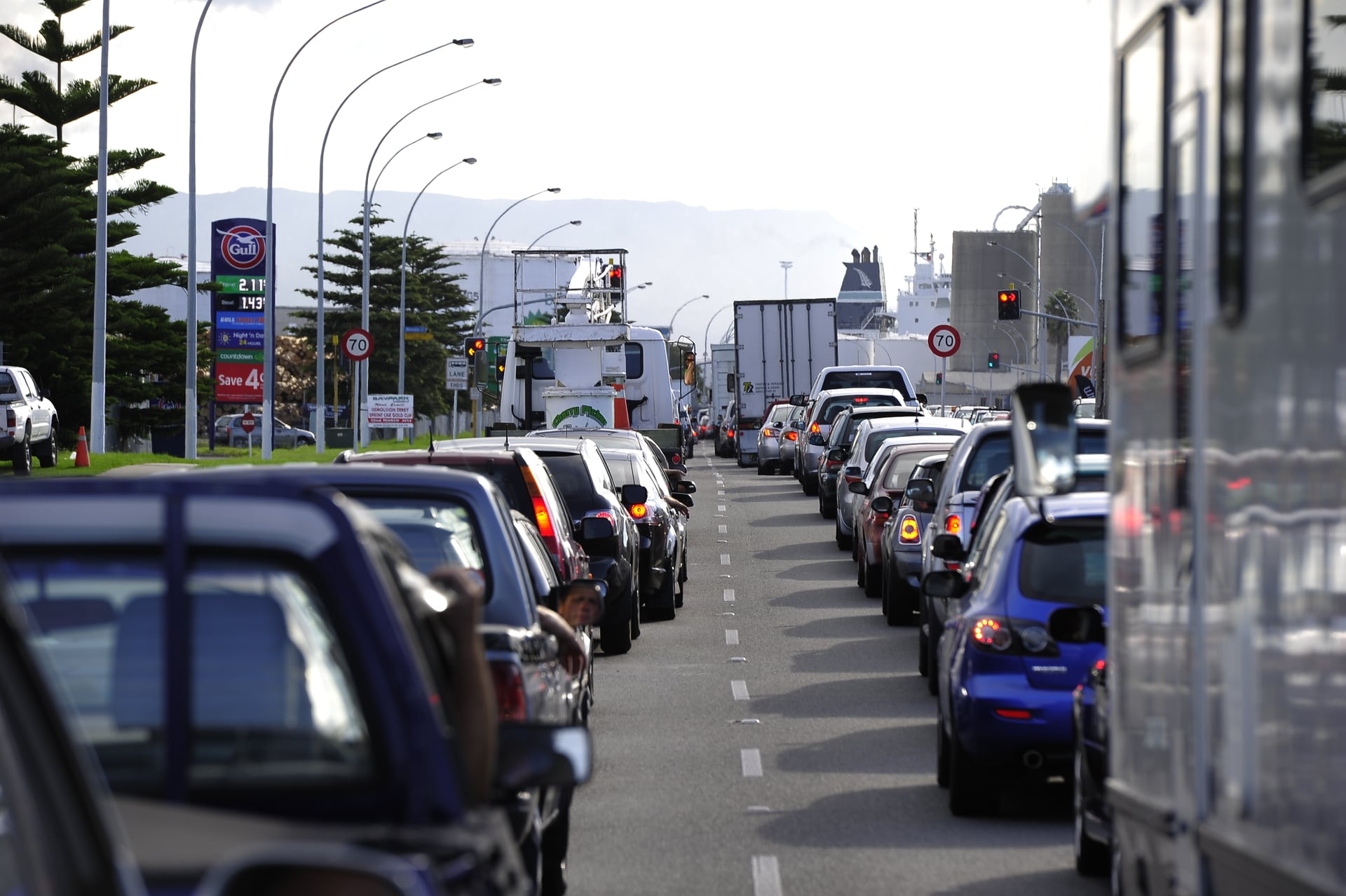
Projections showed Tauranga congestion would worsen unless there was a significant investment in infrastructure. Photo / George Novak
In March last year, the commission running Tauranga City Council scrapped its plans to investigate congestion charging options after strong community opposition.
Of 1099 submissions in consultation, 81% had opposed congestion charging.
When the Government bill passed its first reading in Parliament in March, Transport Minister Chris Bishop said it would reduce travel times, increase efficiency and help boost economic growth and productivity.
“Modelling shows that successful time-of-use charging — charging motorists to travel on certain roads at peak times — will encourage people to change the time or mode of travel, and could reduce congestion by up to 8-12% at peak times."
He said it required the Transport Agency to lead the design of schemes in partnership with councils — “enabling local solutions within a nationally consistent framework”.
“The legislation is not about raising revenue but maximising the efficiency of the roading network. Any revenue that is collected will first be used to pay for the scheme’s costs and then reinvested to improve transport in the region.”
LDR is local body journalism co-funded by RNZ and NZ On Air.


6 comments
Good to see…
Posted on 30-04-2025 08:38 | By Shadow1
…that some of our elected councillors can see what a total balls-up this would be. Congestion charges work in Singapore where the metro is a very short walk from where everyone lives and taxis are very cheap (possibly subsidised by the government), but in Tauranga?
It probably wouldn’t pay for its own running costs. Maybe in Auckland it would work.
The best thing Council could do to lessen congestion is to get all of the logging trucks out of town and bring the logs to the port by rail. The same goes for container traffic. The inland port in the Waikato and one at the Eastern link will deal with them all. Incidentally, Singapore, which is an island city, has the same population as the whole of NZ.
Shadow1.
Tolls
Posted on 30-04-2025 09:49 | By NZ Sailor
Stop tolling our roads now.There are 3 toll roads in NZ,two are in Tauranga.You get charged for roads that you cant even do 100ks all the way on.If the speed is below 100ks drops the tolls to many70ks 50Ks on them.
Councilors with foresight
Posted on 30-04-2025 10:07 | By tia
Agree with Shadow1. Get the logs and containers off the roads by using rail. Knowing this government, this charge is another "tax" and I couldn't see any of the money being spent on local roads. Just a means of cutting down the deficit.
What a surprise!
Posted on 30-04-2025 10:42 | By Kancho
So council avidly pursue growth for growths sake and then find that roading can't cope, surprise !. This must be smartgrowth council department genius. 'Hundreds of trucks movements more than ever with wallboard mega factory in Tauriko trucking gypsum from the port to south Tauranga. And that's just one from the biggest tonnage port in the country . No surprises give council permission and pretend it's all is well. So much wrong and so much spin complete disregard to ratepayers by council
An evil tax
Posted on 30-04-2025 20:05 | By Batch
So here is Bob a good reliable worker travelling to work in his vehicle. His hours of work are required to be 8am to 5pm because the business he works for requires his good work to enable production.
Suddenly Bob finds his letter box for of fines (tax) because he was pinged by the congestion cameras during the congestion times.
Bob is an intelligent chap and suggest to his boss that perhaps he could start work at 9am and finish at 6pm. His boss answers no as the company requires all staff at work at 8am to meet production targets and to meet the transport companies pickup times.
A congestion camera scenario will affect thousands of folk travelling to and from work with work times (generally 8-8.30pm to 4.30-5pm) geared to uplifting their children from day care centres hospital/doctor visits + a thousand other reasons.
A tax grab!!
Grossly Unfair
Posted on 01-05-2025 13:15 | By k Smith
There are some very good points mentioned above. How is it the government can tax people for going to and from their jobs? Double dipping as workers already are paying tax and for the lower income earners less food on the table. Cost of living is out of control. This government is not in power for the people. Cant wait for the next election.
Leave a Comment
You must be logged in to make a comment.