


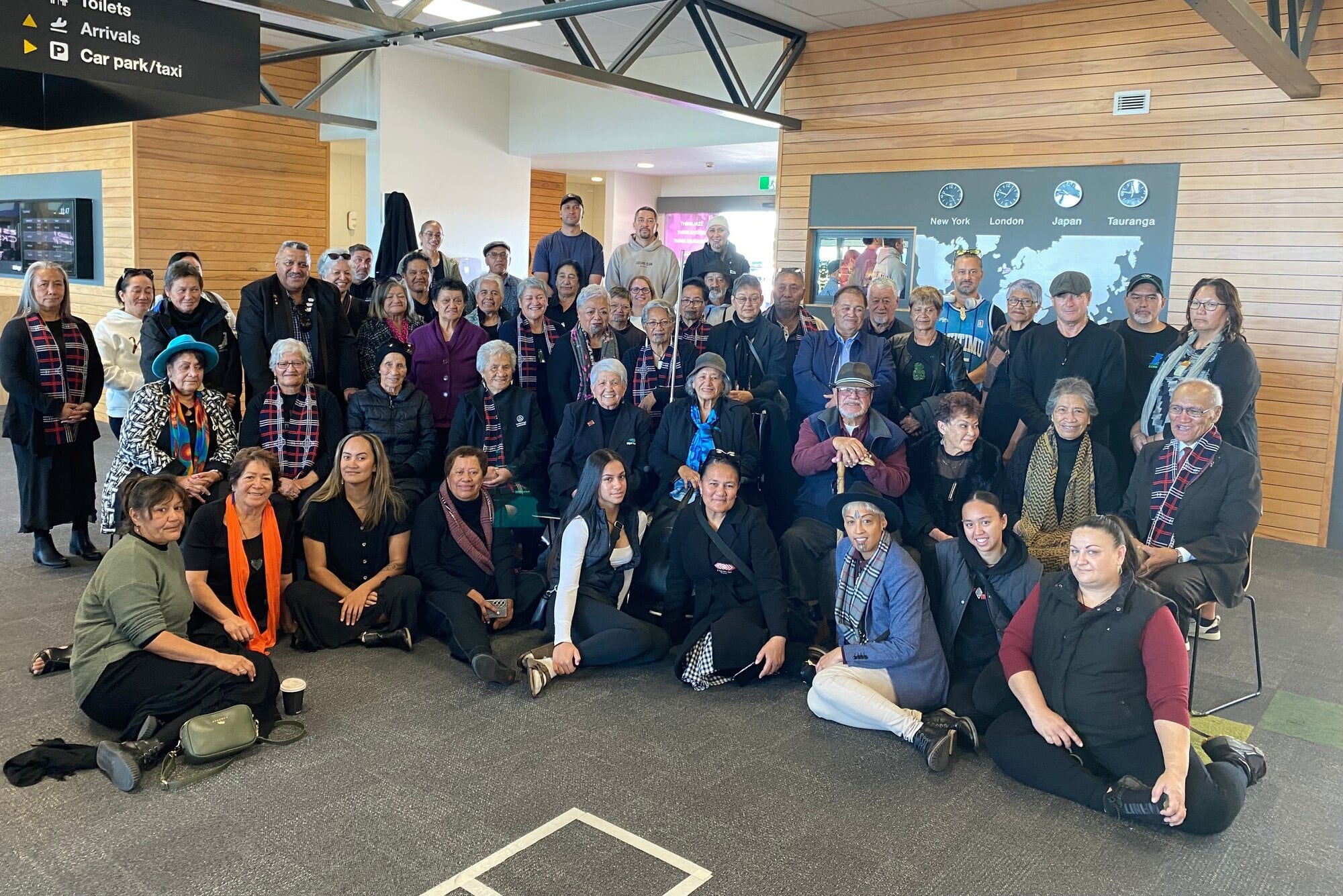
The Ngāti Ranginui Claims Settlement Bill had its third reading in Parliament today, marking the end of a decades-long journey.
The Crown has settled a 17-year negotiation process with iwi of Tauranga as the Ngā Hapū o Ngāti Ranginui Claims Settlement Bill, Treaty of Waitangi Negotiations Paul Goldsmith said.
The settlement includes financial and commercial redress of $38 million, return of 15 sites of cultural significance, two properties of cultural significance vested jointly with other iwi and relationship redress with key Crown agencies.
“This has been a long time coming and I thank the Ngā Hapū o Ngāti Ranginui Settlement Trust and the negotiating team for their enduring efforts,” Treaty Negotiations Minister Paul Goldsmith said.
“While no settlement can fully compensate for the Crown’s injustices towards Ngāti Ranginui, I sincerely hope this redress package will support Ngāti Ranginui to realise their economic and cultural aspirations for generations to come.”
The redress includes an agreed historical account, crown acknowledgements of its historical breaches of the Treaty of Waitangi and a Crown apology.
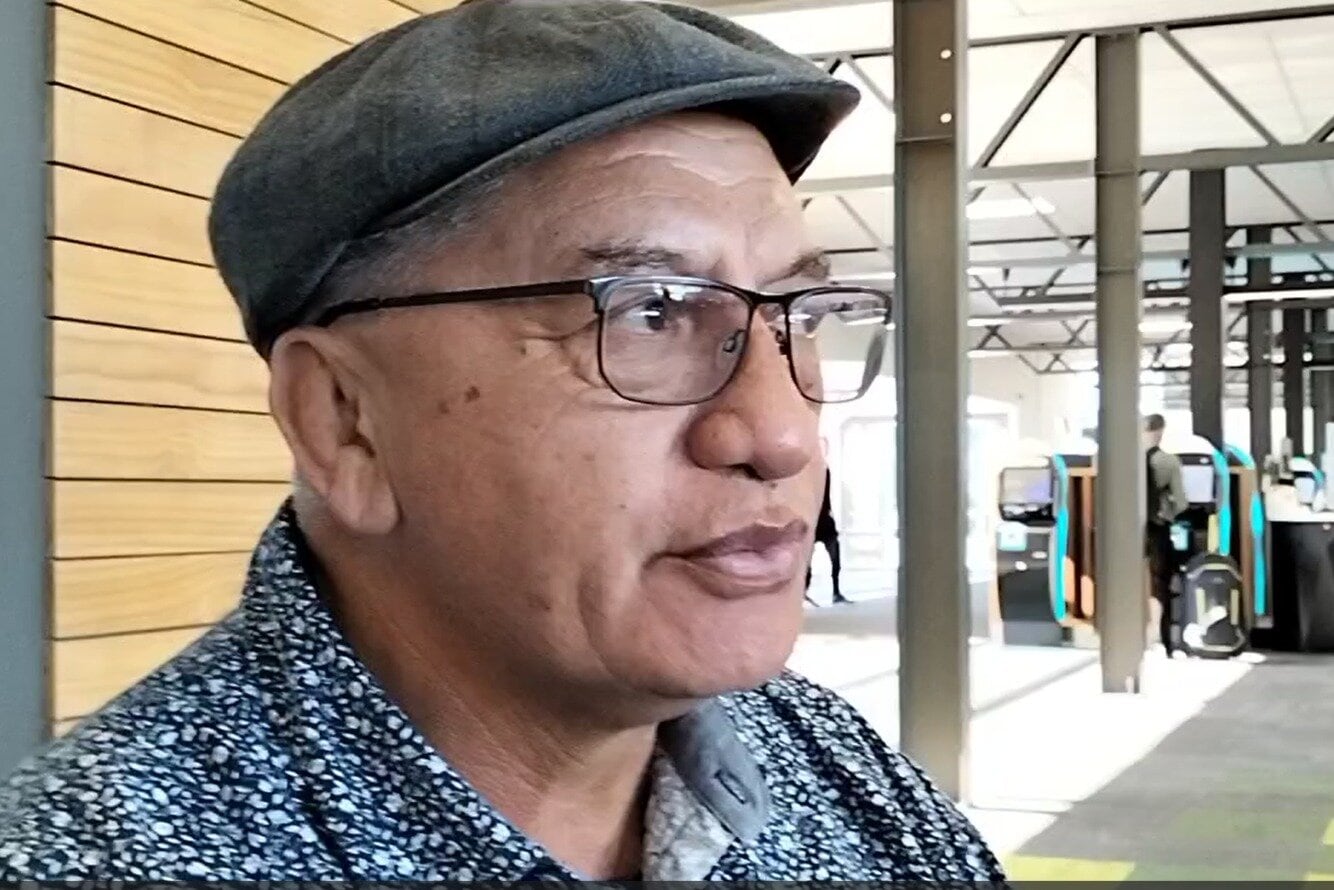
Chairman of Ngāhapū and Ngāti Ranginui Settlement Trust, Te Pio Kawe. Photo / Rosalie Liddle Crawford
Ngāti Te Wai, Pirirākau, Ngāi Te Ahi, Ngāti Taka, Ngāti Kahu, Ngāti Hangarau, Ngāti Rangi, Ngāti Ruahine, Ngāi Tamarawaho, Ngāti Pango, Ngāti Ranginui are the claimants, he said.
“It has been a huge journey for the 10 hapū,” Kawe said.
These groups represent about 30 individual Treaty claims, but they decided to bring all these hearings together collectively, Kawe said.
In 2012, Ngāti Ranginui signed the agreement in principle with the Crown, and it took 13 years for the bill to be settled in Parliament.
“A lot of people have participated in this process, and a lot of people haven’t made it through to the end.”
Kawe said that after this bill is settled, there will still be an outstanding settlement around Tauranga Moana Harbour.
That settlement is a piece of legislation that provides a framework for all hapū and iwi to contribute to the wellbeing of the Tauranga Harbour.
Around 200 tangata whenua gathered in Wellington to hear Goldsmith read the bill.
The reading began at 11am, and the group stayed overnight on the Pipitea Marae before being welcomed into Parliament.
Kawe said the change will occur in a tiered approach, with some properties returned to hapū for them to manage.
Some properties will be for residential, commercial and cultural redress, Kawe said.
As part of the settlement bill, the Crown acknowledged it failed to protect Ngāti Ranginui interests in lands they wished to retain.
Purchase of Te Puna and Katikati block were done in breach of the Te Tiriti o Waitangi, according to the Ngāti Ranginui Claims Settlement Bill.
The bill also acknowledged that a scorched earth policy was inflicted by the Crown on Ngāti Ranginui during the 1867 Te Weranga (bush campaign).
The Ngāti Ranginui Claims Settlement includes 15 properties in the Western Bay of Plenty and Tauranga regions, covering a total of about 890.73 hectares.
Margaret Jackson Wildlife Management Reserve near Bethlehem will share its name with Te Wharepoti.
The name of Jess Road Wildlife Management Reserve was changed to Te Wahapū o Te Hopuni Wildlife Management Reserve.
These lands are primarily designated as scenic or recreation reserves under the Reserves Act 1977.
Several sites are subject to easements, guiding and hunting permits, plant pest control trials or historic grazing arrangements.
Te Hopuni is set aside for use as a cultural centre. The properties reflect a mix of cultural, conservation and recreational purposes.
“In this settlement, the Crown has acknowledged its breaches of te Tiriti o Waitangi, including its responsibility for war and raupatu in Tauranga in the 1860s, the purchase of Te Puna-Katikati blocks soon after, the operation and impact of the native land laws, and the compulsory acquisition of land under later Māori land legislation that left Ngāti Ranginui without sufficient land for their present and future needs,” Goldsmith said.
“I want to acknowledge the people of Ngāti Ranginui who have travelled to Parliament today to witness this auspicious occasion and those who watched the passing of this Bill online from Tauranga.”
Ngāti Ranginui is an iwi based in the Tauranga region with a population of approximately 15,000 people. Their area of interest extends from Ngakuriawharei, north of Tauranga, inland to the summit of Mount Te Aroha, extending south-east along the Kaimai Range to Puwhenua and reaching south to the Mangorewa River.

1 comment
About time
Posted on 24-05-2025 10:52 | By k Smith
When there is a correction for Maori as this is an example you don't see any Pakeha writing in comments about the positive corrections of the wrong doings that has been going on for decades. Its like Pakeha have berried their head in the sand in shame. Perhaps a few could have a say either way but this quietness makes me wander if the past wrongdoings is either embarrassing, or a form of separatism. We should be happy moving forward together.
Correct the wrong doings is very good fo our coming together. Celebrate it.
Leave a Comment
You must be logged in to make a comment.