


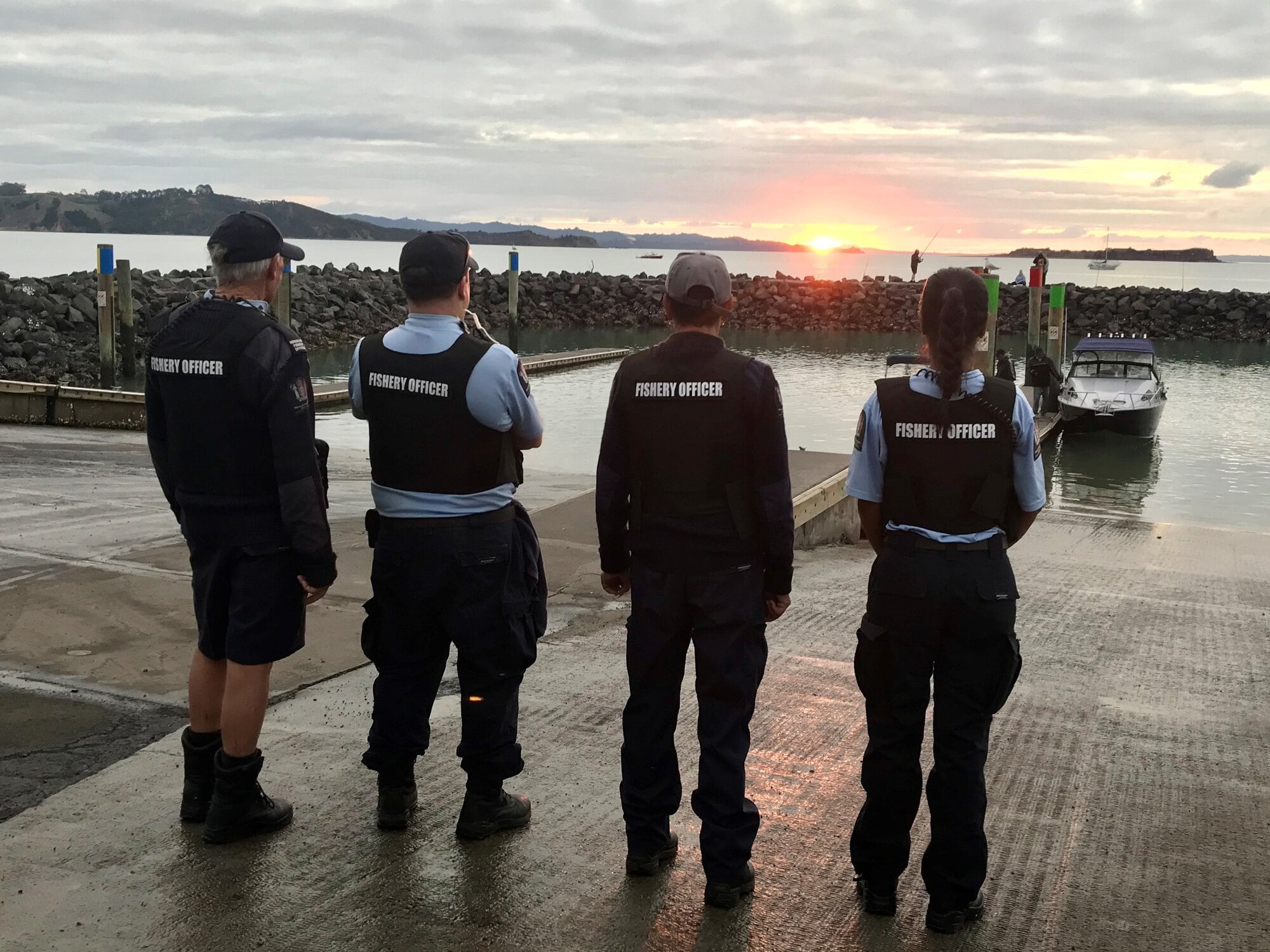
The work of honorary fishery officers (HFOs) is crucial for protecting our shared fisheries resources and this week they’re among the many volunteers being recognised during National Volunteer Week.
HFOs support Fisheries New Zealand fishery officers by carrying out about 40% of recreational compliance work nationwide.
“This year’s theme, Whiria te tangata – weaving the people together, celebrates how volunteers make their mark throughout communities. We have around 180 HFOs patrolling throughout the country and it is working together that makes the difference on the coasts and on the water,” said Fisheries New Zealand director fisheries compliance, Steve Ham.
“Our HFOs give up their time to provide education and advice on rules, while keeping a close eye on fishing activities in the name of sustainability into the future.”
HFOs were introduced in Auckland in 1967 as a way for people in the community to get involved in protecting local fisheries from overfishing.
“They’re an important part of our work to maintain sustainability for New Zealand’s recreational fishers,” said Ham. “In one recent example, we got a call to our 0800 4 POACHER hotline from an off-duty Manukau HFO, who reported seeing people gathering cockles from the closed Eastern Beach in Auckland.
“Fishery officers were able to locate the people and found they had 1348 cockles. They will likely face prosecution, thanks to the work of an HFO.”
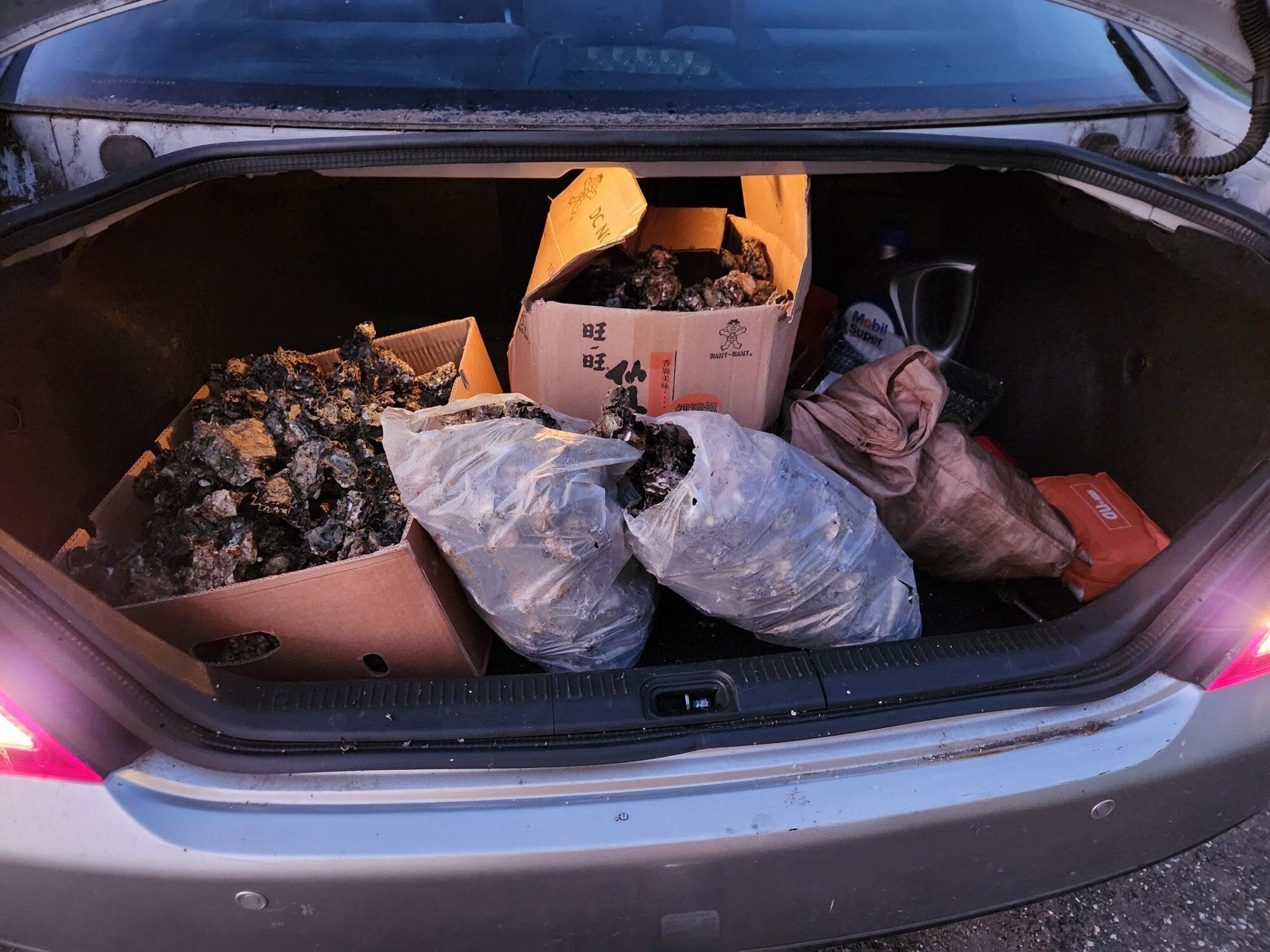
Two people will likely face prosecution after more than 1000 oysters were found in a vehicle at Waitawa Regional Park. Photo / Supplied
Following another call on the Poacher hotline – patrolling Manukau HFOs working in the Kawakawa Bay area responded to a report of people gathering oysters at Waitawa Regional Park. The HFOs inspected the boot of a car and the two people in the vehicle were found to have 1442 oysters. They will likely also face prosecution.
“If your lines are tight while fishing during National Volunteer Week, it might be because of the tireless voluntary work of our HFO network throughout the country who play their part in keeping fisheries sustainable,“ said Ham.
“They’re invaluable people and one of the reasons the recreational fishing compliance rate sits at 94% across the country.
“A big part of what they do is talking to people, answering questions, and explaining the rules. If you’re new to fishing and come in contact with an HFO, don’t be shy, they’re there to help.”
HFOs contribute a minimum of 100 hours of voluntary work a year to looking after recreational fishing areas. They’re put through intensive training, wear a uniform, and have a warrant under the Fisheries Act.
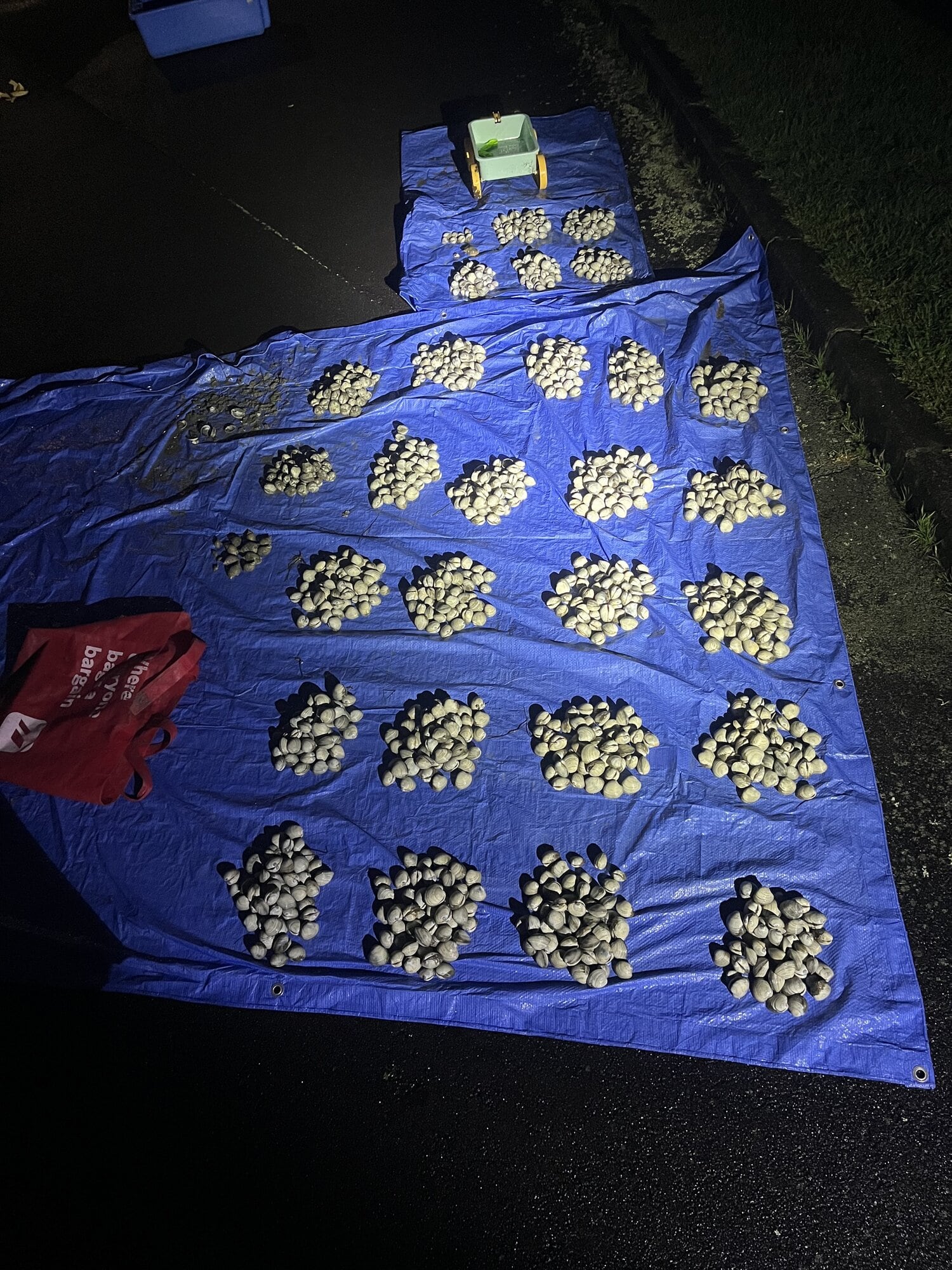
Cockles seized by HFOs at Eastern Beach. Photo / Supplied
“HFOs are front and centre on New Zealand’s coastlines, conducting between 11,000 and 14,000 inspections annually in recent years,” said Ham.
“One of the best things all recreational fishers can do to understand the rules in their area is download the free NZ Fishing Rules mobile app before heading out.”
If you have questions about becoming an honorary fishery officer, email HFO@mpi.govt.nz

0 comments
Leave a Comment
You must be logged in to make a comment.