


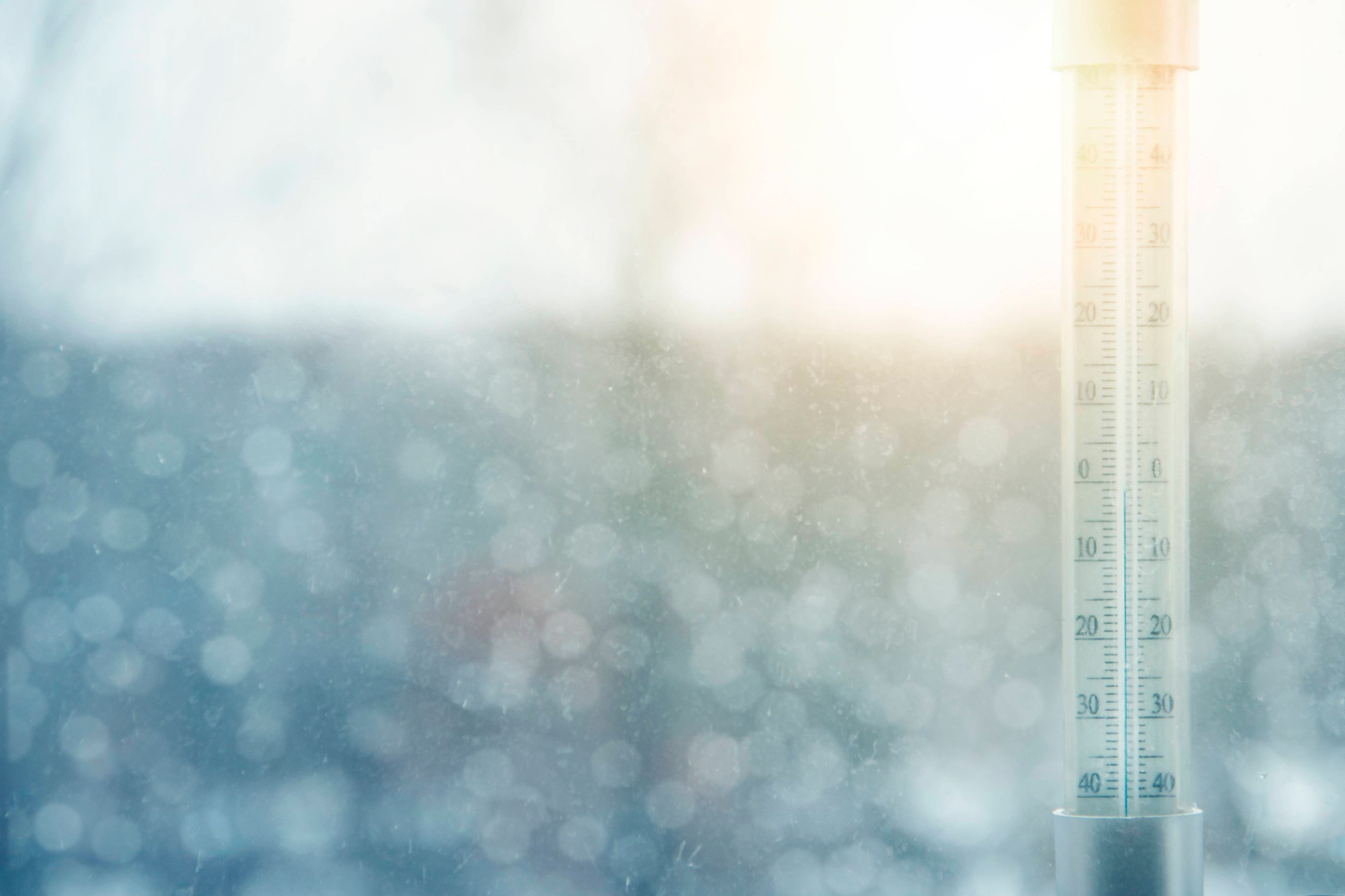
A grab bag of winter weather is in store for New Zealand over the coming days, as the country shifts between weather systems, each bringing its own set of features.
Rain, wind, fine spells, chilly mornings and frosts are all on the cards from Thursday through to early next week.
The wettest and windiest weather is already being felt across the north, as a low-pressure system sweeps across the island.
This system is bringing widespread rain and strong southwesterly winds, with heavy rain and strong wind watches in place for parts of the North Island, particularly across Northland where gusts may reach severe gale in exposed places, the MetService said in its latest weather update.
In contrast, much of the South Island is enjoying sunny skies.
“Thursday was the most active weather day in the mix, with some decent rain for the North Island and strong gusty winds in the Far North,” said meteorologist Devlin Lynden.
“We are expecting some settled conditions to follow heading into the weekend, with a chilly edge, thanks to persistent cooler southwesterlies.”
A weekend of calmer weather is on the horizon.
A ridge moves in behind the departing low, setting the stage for a cold and frosty country, with Hamilton well into single digits on Saturday night.
“Make sure to wrap up if you’re attending the rugby,” advised Lynden.
The colder conditions arrive alongside a more settled pattern, with sunshine expected for large parts of both islands over the weekend.
Motorists in inland South Island areas should also watch for black ice on the roads, as freezing overnight temperatures could create hazardous driving conditions.
Some patchy cloud, fog and showers will linger in a few places, especially for eastern areas such as Hawke’s Bay and Gisborne but, for most, it is looking like a crisp winter weekend with cold starts, blue skies and a return to calmer weather.
A more settled weekend may come as a relief for many, as at least 38 weather records have broken so far this year across weather stations in the MetService network.
These span the wettest, driest, coldest and warmest weather.
They do not include record-breaking runs of weather, such as the coldest start to the year experienced in places like Wellington and Gisborne in January.
It also does not feature the fact that the top of the South Island is experiencing its wettest midway point in the year for more than 30 years, so the tally of records broken could well be far higher.
The length of the measurement record varies between stations.
For example, Ashburton only has data from 2006 onwards, while Nelson and Blenheim have records going back to 1941.

0 comments
Leave a Comment
You must be logged in to make a comment.