


Authorities have more than 42 active investigations under way into suspected trafficking offences.
Associate Immigration Minister Casey Costello said the Government is “not sitting on its laurels” about the extent of the cross-border and domestic issue.
RNZ reported in March trafficking investigations had increased by almost 4000%, but no one had been prosecuted since 2018.
The figures show there were only six investigations from 2018 to 2020, and 236 in the two years up to last October.
The current 42 active investigations had elements of trafficking, said Costello, who took over responsibility for work against organised crime, including trafficking, earlier this year.
She said people were becoming desensitised to exploitation, trafficking and slavery – and were conflating it with issues such as being paid under the table or not getting holiday pay.
The victimisation was often unseen and the enormity of trafficking was often not understood, she said. The last trafficking case to be prosecuted was in 2020, when Hastings-based Joseph Auga Matamata was jailed for 11 years after bringing 13 Samoans to New Zealand and exploiting them over 25 years.
An unknown number of children have been brought from overseas and been sexually or financially exploited, or used as household slaves.
Costello said she is hopeful that fixes to international adoptions, where children have been exploited after being brought into the country without checks, will happen before the end of this parliamentary term.
But she remains unconvinced about how effective legislation would be in forcing companies to check their supply chains for modern slavery, a recommendation from the Ministerial Advisory Group on Transnational, Serious and Organised Crime.
“We have heard that it is highly likely that serious criminal exploitation, such as people trafficking, forced labour and sexual exploitation, is underreported and growing within New Zealand,” said the group in its latest report. “There are almost certainly exploited migrants in our horticulture, construction, beauty services and hospitality sectors.”
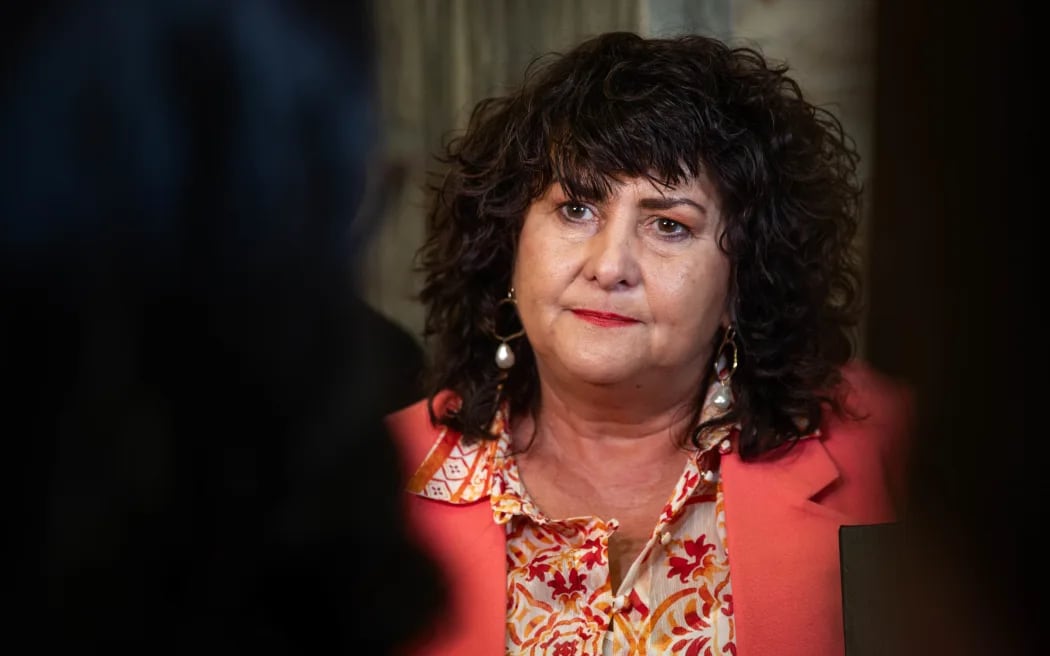
Associate Immigration Minister Casey Costello. Photo / RNZ / Angus Dreaver
Trafficking action
It recommended “high-risk industries” to actively identify, prevent, mitigate and account for the integrity of their supply chains, and making them subject to legal liability and regulatory enforcement similar to workplace health and safety.
Organised crime is the theme of today’s World Day Against Trafficking in Persons and INZ said criminal networks were often behind trafficking.
“Frontline staff, particularly at the border, are trained to help them recognise indicators of trafficking in persons. We also support the training of law enforcement officials to recognise suspected trafficking in the community,” INZ said.
“When a report is made, we assess the information provided. Victims of trafficking are eligible for access to support services from the government including from the Ministry of Social Development, the health sector, and INZ.”
It points out warning signs that a person may need help, including migrants living at their place of work, locks on the outside of doors, people who have ‘rehearsed’ statements and stories, or do not have money or ID, which might suggest their passport is being withheld.
The latest ministerial advisory group report recommends clarifying the mandates between MBIE and Police for taking the lead on human trafficking offences to improve effectiveness, and called for MBIE to update its systems and processes.
In September 2018, Australia, Canada, New Zealand, the UK and US jointly launched the Principles to Guide Government Action to Combat Human Trafficking in Global Supply Chains, including in private sector supply chains and government procurement practices.
The five-year New Zealand plan of action against forced labour, people trafficking and slavery expires this year. Out of its annual implementation reports, only two were published, in 2021 and 2022.
One of the measures was visas for certified victims to work and/or stay in New Zealand. Thirteen Victims of People Trafficking residence (and 33 temporary work) visas were approved in 2020/21, three the year after but none since.

0 comments
Leave a Comment
You must be logged in to make a comment.