


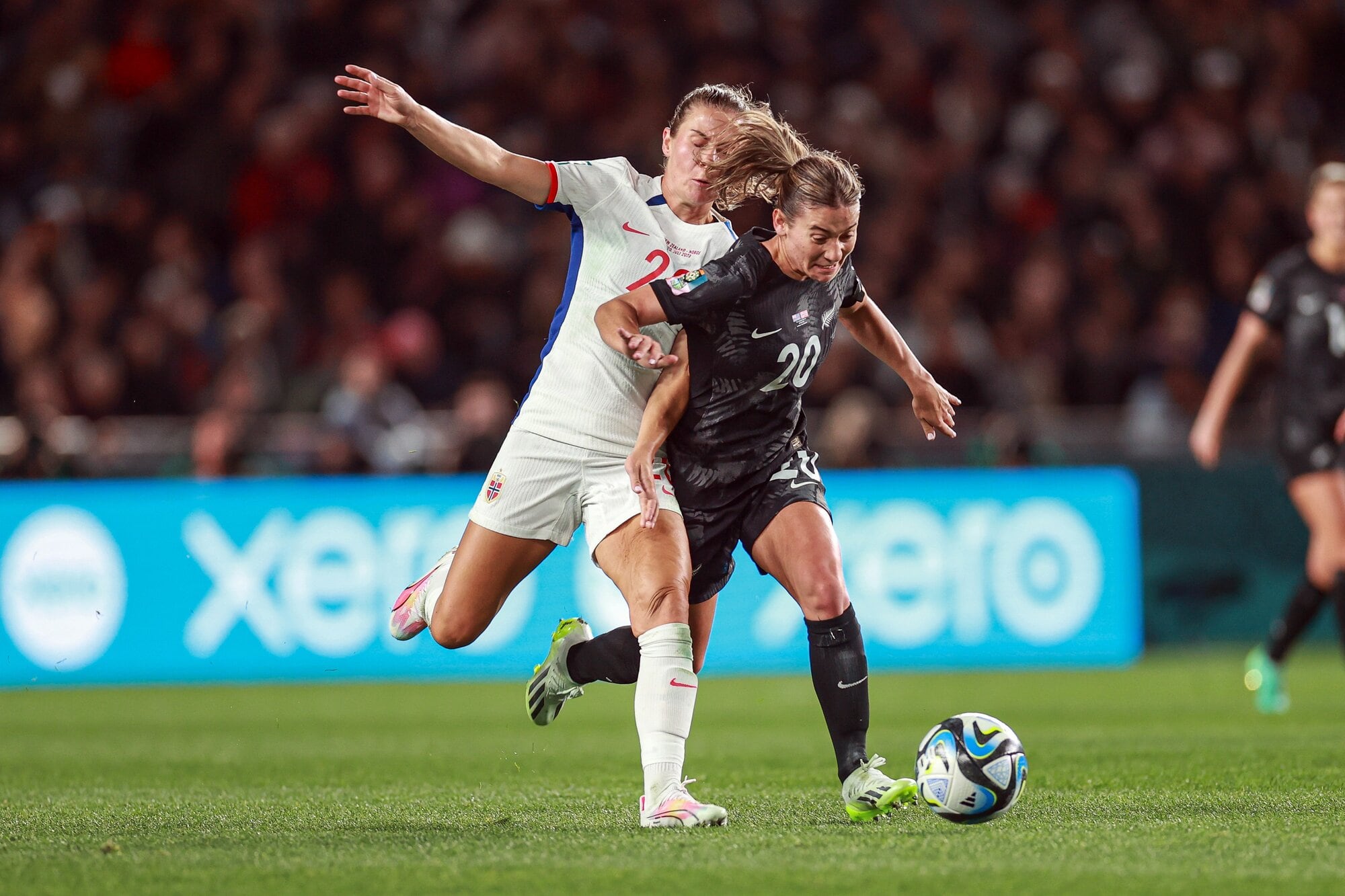
Football Fern Indiah-Paige Riley is a player on the rise. This year, the 23-year-old is hoping to help Crystal Palace get back to the top tier of the Women’s Super League in England. She shares her experience with concussion to emphasise the importance of listening to your body and seeking professional medical care following a concussion.
You can’t see the injury, but you know the symptoms are there.
That’s the scary thing about concussion, said Football Fern Indiah-Paige Riley.
It’s your brain and it takes time to recover.
The attacker has had five concussions in the past six years; the most recent at the end of last year.
It took Riley two months to recover.
“It’s not like an ankle injury where you can kind of push your recovery along,” said Riley.
“It’s your brain and you can’t muck around with your brain.
“You need that to live, to function daily.”
When people think of concussion in sport, they often think of close-contact sports like rugby union or rugby league, but it is an issue in football as well.
In 2024, ACC accepted 50 football related concussion injuries in the Bay of Plenty region. In 2025, up until June 16, ACC accepted 24 football related concussion injuries in the Bay of Plenty region.
Nationally, ACC accepted 1221 football related concussions which came at a cost of $3.4 million to help people recover.
ACC paid out 11,386 days of weekly compensation to people for football-related concussions, which cost $1.4 million.
One of the main causes of concussion in football is heading the ball, said Riley.
“This is scary because it happens so often in football, and you have to do it so often.”
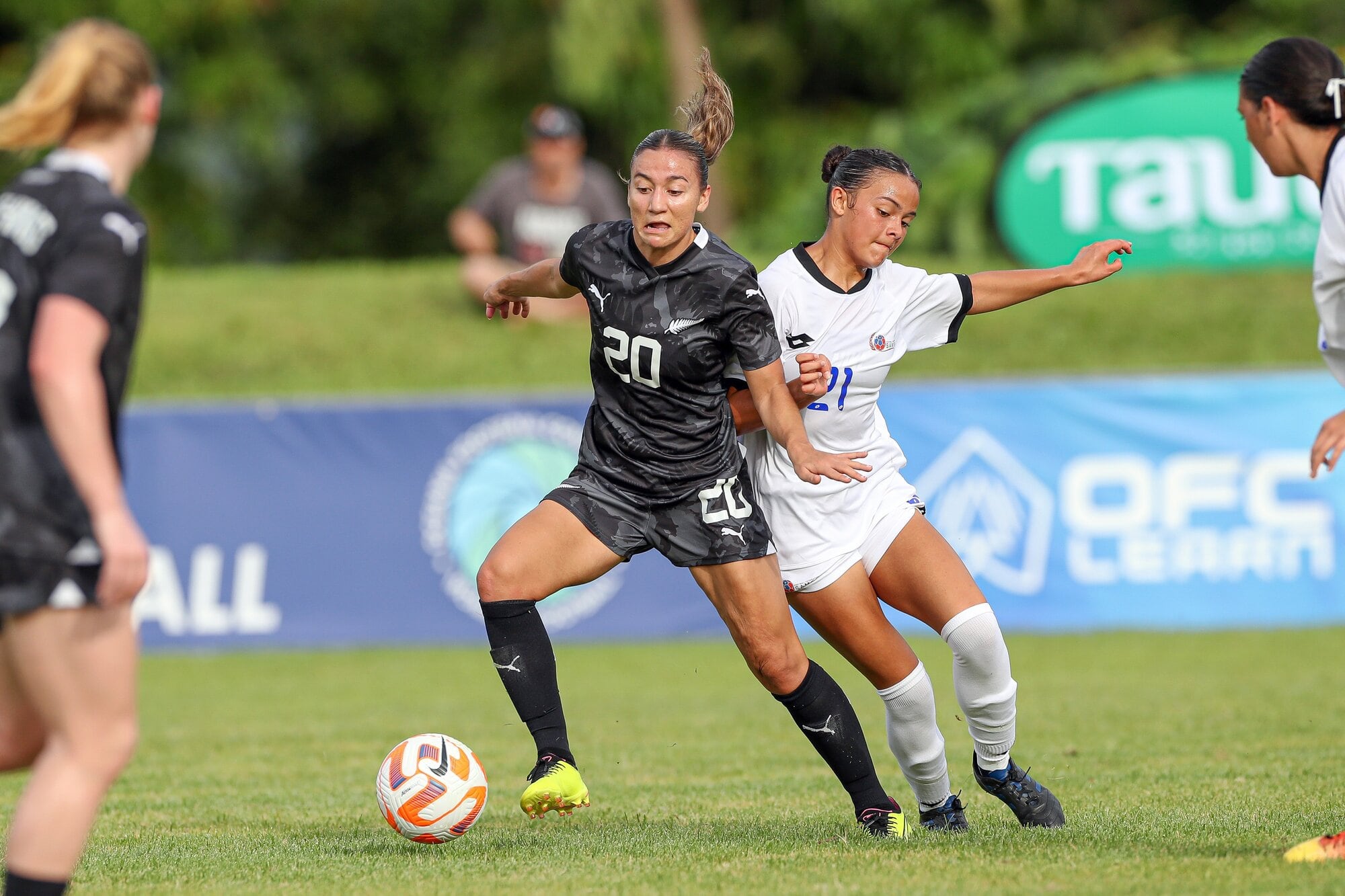
Football Fern Indiah-Paige Riley is hoping to help Crystal Palace get back to the top tier of the Women’s Super League in England. Photo / Shane Wenzlick, Phototek
Riley said her concussion symptoms were difficult to recognise at first.
“I was just not feeling right and like a fog, like I just wasn’t very fresh in my mind.
“It’s just not a nice feeling at all, to be honest – you just don’t really feel like yourself.”
Riley also experienced extra sensitivity to light and noise.
“When I was recovering from my most recent concussion I really started to worry because it was just taking so long.
“I remember when I was finally cleared to play again, I got a ball to the head, and I just started crying. I was so scared and thought ‘oh no, not again’.
“Luckily I was fine, but you just have to be so careful.”
Riley has a big career ahead of her for club and country. She has played 29 internationals for the Ferns and scored seven goals. It was a scary feeling to have ongoing concussion symptoms.
“I have a lot I still want to achieve so it has freaked me out a bit. I try not to worry about it and any time I have symptoms I manage them well and put my wellbeing first.”
The Ferns have performed well of late – defeating Costa Rica in a two-match series and beating Venezuela in their latest game in June. Riley is excited about what the team can achieve under new coach Michael Mayne.
“The main thing he is stressing is buy-in from the players,” she says.
“It’s a long road to the World Cup [in 2027] and he has been talking about being all-in so we can understand each other and the style of play he wants to implement.”
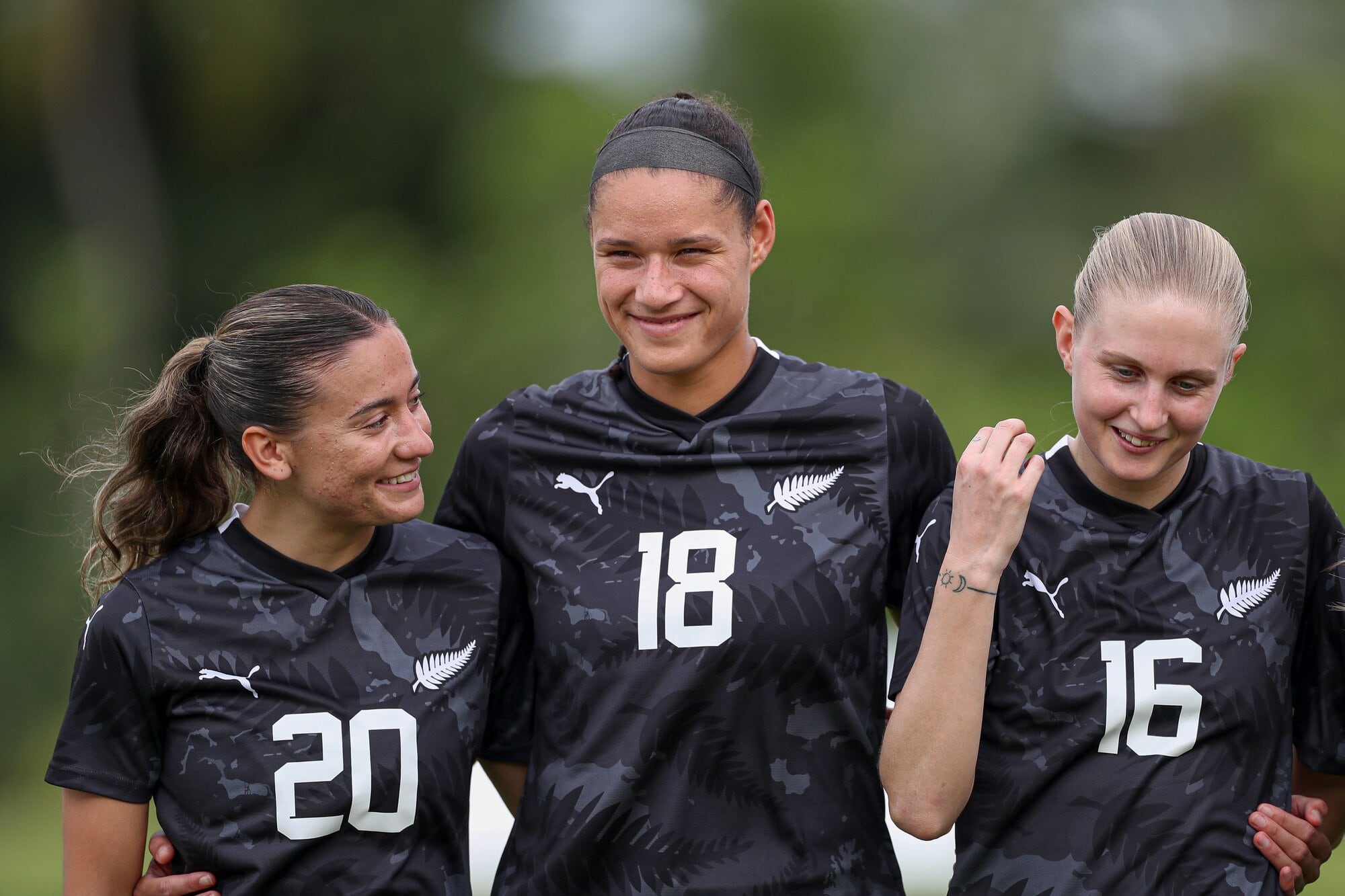
New Zealand's Indiah-Paige Riley, Grace Jale and Jacqueline Hand before the Oceania qualifier against Samoa, in Samoa in 2024. Photo / Shane Wenzlick:www.phototek.nz
Last year, ACC launched the National Concussion Guidelines for community sport and Riley said they’re a great initiative for football.
The guidelines provide principles and advice for the sports community and health professionals to recognise concussion and manage return to play in a consistent way.
ACC injury prevention leader Nat Hardaker says the growth in the women’s game is exciting.
“We do see that female players have a higher rate of concussion than male players,” she said.
“Although that difference is not yet fully understood, there are some data that show females close their eyes earlier before the header and use less protective body positioning potentially leaving them more vulnerable to injury.
“This is actionable; good skill and technique can reduce the risk of injury.”
Hardaker said if a player does suffer a concussion, research shows that good early management can improve long-term outcomes.
Over the next two years, ACC will invest $2.5 million into the New Zealand Football Prevention and Performance programme. The partnership has a focus on improving concussion management.
“The investment into this partnership will deliver important resources. It will help ensure there is clarity on how to manage concussion in football and put player welfare first.
“We are trying to change the culture around concussion in sport.”
Riley said it’s important for young players to install good habits early when it comes to recognising and reporting concussion.
“The younger that people get that support the more beneficial it will be,” said Riley. “I never really understood how serious they were, and I’ve had so many now.”
Riley’s advice to anyone experiencing concussion symptoms is to trust their body and seek professional medical care.
“Listen to how you feel. It’s not something to rush, or to push, because they are so serious and they can be really dangerous if you don’t treat them right.
“Be honest and report your symptoms if you feel like anything is not quite right.”
National Concussion Guidelines
The guidelines present an opportunity to improve the health outcomes and wellbeing for people who play community sport by introducing a standardised approach to managing concussion.
The key changes are: (1) When a player suffers a concussion, they must be symptom-free for 14 days post-injury before a graduated return to play. (2) They must complete a minimum period of 21 days away from full competition before clearance to return. (3) Medical clearance must be obtained prior to return to play.
The Four Rs of Concussion Management
Recognise (the signs and symptoms of concussion)
Remove (the person from play)
Refer (to a medical doctor to confirm diagnosis and provide treatment)
Recover (before returning to school/work and sport)
For more information visit:National Concussion Guidelines

1 comment
Promoting Concussion
Posted on 25-09-2025 08:16 | By Yadick
“It’s your brain and you can’t muck around with your brain.
Nationally, ACC accepted 1221 football related concussions which came at a cost of $3.4 million . . .
ACC paid out . . . weekly compensation for . . . concussions, which cost $1.4 million.
Concussions are costing us tens of millions of dollars every year but we still continue to promote boxing, kick boxing etc where the ultimate is a TKO (total knockout), a brain injury.
The dangers of concussion are high on most sport agendas yet we give with one hand and take with the other.
Leave a Comment
You must be logged in to make a comment.