


The response to a diesel spill off Windy Point in the Coromandel Harbour is being praised by the owner of a neighbouring oyster farm.
A 12-metre vessel carrying about 400 litres of diesel on board sunk on its mooring for unknown reasons in 4.5 metres of water last week.
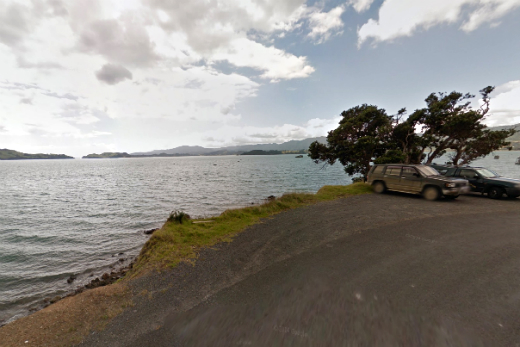
Due to the response of local harbourmaster Stu Crawley and the Waikato Regional Council's marine oil spill response staff, there has been no damage to the marine environment following last Friday's diesel spill at Windy Point in the Coromandel Harbour. Image: Courtesy of Google Earth
But thanks to the speedy response from local harbourmaster Stu Crawley and the Waikato Regional Council's marine oil spill response staff there has been no damage to the surrounding environment.
When the spill was discovered early Friday morning the harbourmaster deployed sorbent booms around the vessel to contain the diesel.
A commercial diver was eventually brought in and successfully plugged the leak, with salvagers arriving later in the afternoon to re-float the vessel and eventually tow it away to Auckland.
Coromandel Oyster Company co-owner Anne louden is praising the response from the WRC and its staff to the spill.
'They got onto it pretty quickly, they sourced a local diver and he went out and plugged up the hole.'
'Most of the diesel was still in the engine or on board the vessel, and the booms which they surrounded it with soaked up most of what was released.
The Coromandel Oyster Company is one of two marine farms in the area and on the day of the spill Anne's company voluntarily postponed their scheduled harvest.
Needless to say, Christmas is a busy time for oyster farmers and the timing of the spill could not have been worse, says Anne.
'We took the initiative not to harvest last Friday, it would have been silly as you'd have to recall all your products.
'While we don't do exports the other farmers do, so it would have been hugely detrimental to have harvested last week.”
WRC Senior Emergency Management Officer Dave Lovatt says a number of factors worked in the response staffs favour.
Because most of the diesel was either still on board or in the engine of the vessel, and spill occurred at high tide, with the tide being opposed to the wind, the diesel did not make it onshore, he says.
'It went into and rafted up in the bay, and eventually evaporated,” says Dave. 'The responders went along the shoreline and there was no diesel, nothing at actually hit the shore or the tide line at all.”
'The responders also checked the puddles of water left in the sand when the tide went out and there was not any diesel there either.
Dave is also pleased with the fast response from the vessel owner's insurance company, who quickly sent salvagers to re-float the sunken boat that afternoon.

0 comments
Leave a Comment
You must be logged in to make a comment.