


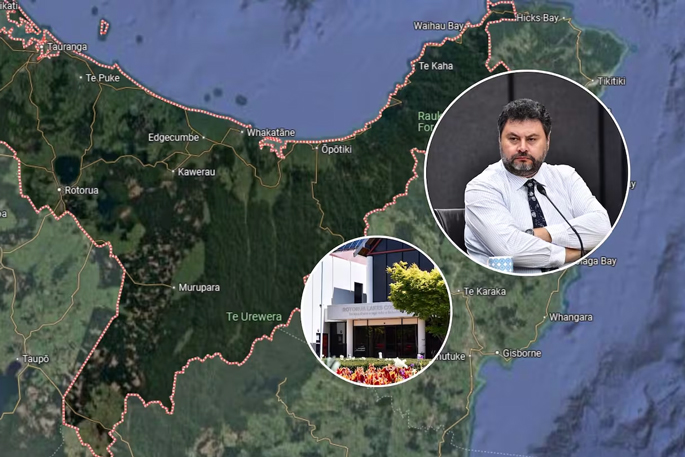
Rotorua councillors have asked chief executive Andrew Moraes to begin exploring unitary authority options with neighbours.
One unitary authority mayor has applauded the move to investigate efficiencies, while Tauranga’s mayor also backs it, saying it’s time to put egos aside and work for what’s best for the region.
The Rotorua councillor who prompted the vote said having low-level discussions now meant it could get ahead of any forced local government changes in the future.
A unitary authority is a council that has both regional and city or district roles (territorial), such as the Gisborne District Council or the Auckland Council - dubbed a supercity.
Regional councils focus mainly on environmental management and can be responsible for public transport, regional reserves and bulk water supply.
Territorial councils’ services tend to be wide-ranging and include things like infrastructure, rubbish collection, community facilities like parks and reserves, libraries and swimming pools. They can also make bylaws relating to things like public health and safety.
Rotorua Lakes councillor Conan O’Brien raised the matter as a notice of motion on Wednesday last week, asking Moraes to seek expressions of interest from Bay of Plenty and Waikato councils to begin exploring unitary authority options.
The objectives were to find service delivery efficiencies, create a vehicle to host regional council investments on behalf of Rotorua residents and to create groupings of councils with “complementary economic development objectives with Rotorua”.
Gisborne Mayor Rehette Stoltz applauded Rotorua for beginning to investigate options to find efficiencies.
She was clear that while it worked well for her patch, it might not for others.
That said, “it is a discussion worth having”.
The Gisborne District Council had only ever been a unitary authority and was the sole council in Tairawhiti – a big difference to the seven the Bay of Plenty Regional Council works with.
In Stoltz’s experience, the community knew exactly who to go to – it was a “one-stop shop”.
She said it allowed for integrated planning and that having both roles was an overall strength during Cyclone Gabrielle.
It did, however, mean the financial toll was high on the one entity.
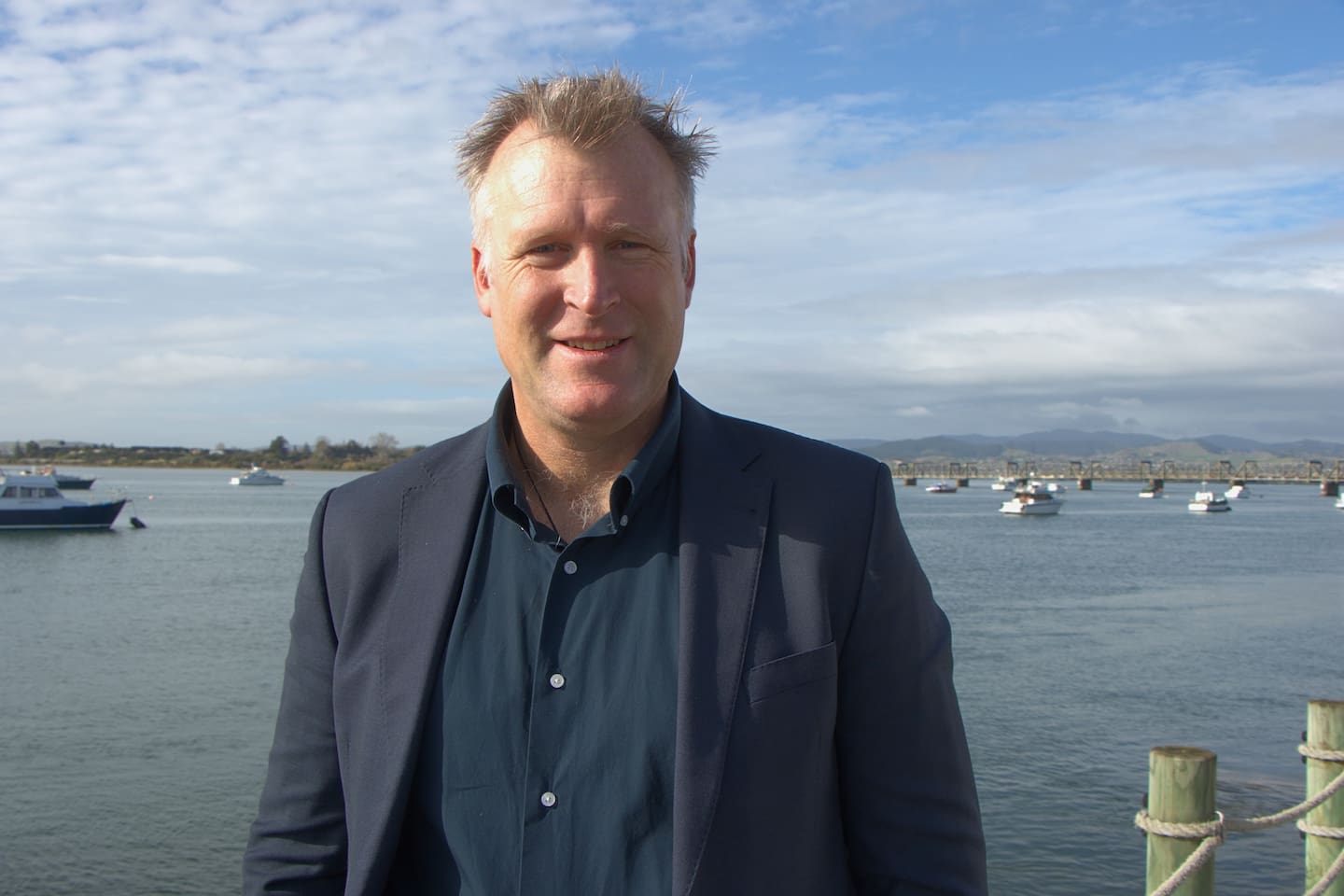 Mahé Drysdale says he is open to discussing unitary authority possibilities. Photo / Alisha Evans
Tauranga Mayor Mahé Drysdale supported conversations on the topic, and said now was the “perfect time” with all the potential and impending reforms.
Nine months into the role, he said he saw inefficiencies in the number of councils across the country.
“If we’re more efficient, we save the ratepayer money.”
With that in mind, he was open to working with councils to find what system worked best.
He said it was time to “put egos aside and do what’s best for the region”.
Local decision-making was a “non-negotiable”, but it was the structure and how that happened that was up for debate, he said.
 Bay of Plenty regional councillor Lyall Thurston at a May meeting. Photo / Laura Smith
Rotorua regional councillor Lyall Thurston said the idea of unitary authorities was floated around over the years, particularly in relation to Tauranga and Western Bay of Plenty councils.
He said it was “all about critical mass” and would come down to the cost-benefit.
Thurston viewed inter-council relations as good and said tensions were infrequent.
There were “reforms in the wind”, he said. Thurston was aware of criticism over the number of councils in the country for the population, but also believed local communities valued that.
“It’s a sensitive issue.”
 Councillor Conan O'Brien in a March 2025 meeting. Photo / Laura Smith
Most Rotorua Lakes councillors who spoke to the issue at Wednesday’s meeting supported exploring the idea, but some questioned if now was the time, as inter-council discussions on water reforms were already happening.
One councillor said issues like representation needed to be considered.
Others viewed water reforms and other signs as a signal local government reform was coming and this got ahead of that.
Another view was that the region’s leaders were already discussing the benefits of a unitary authority and the community should have a say before a final decision.
O’Brien believed a government review of council operations and boundaries was likely, if not from this Government then another.
In response to councillor feedback, O’Brien said he kept the request broad, considering the water reform work and any other changes that may happen. He deliberately left dates off the request to not put pressure on staff.
Other councils may say “no thank you”, he said, and future elected members were likely to be the ones considering it.
“I think it would be beneficial for this council to be starting these conversations at low levels now rather than having more forceful measures impacted upon us by central Government.”
After the meeting, he explained further to Local Democracy Reporting that he did not have any particular view on what an authority might look like but wanted to give the chief executive scope for the “first step of engagement”, particularly following water reform decisions.
LDR is local body journalism co-funded by RNZ and NZ On Air.

3 comments
No benefit to us
Posted on 04-06-2025 16:05 | By an_alias
Auckland cost have just gone up and not become cheaper.
All this does is let them hide more bloat.
In our case it will be a cash grab as well from the BOP RC being the only one not taken the cash for assets already.
Ratepayers need convincing....
Posted on 04-06-2025 18:14 | By groutby
...that if there are to be 'amalgamations' by such councils, that (as in private industry) there would be cost serious cost savings to be had and that would include (sadly for those involved) a reduction in head count as well as contractors and any other expenditure deemed not necessary.
But will we get a tangible 'private industry' business approach from councils involved?...I seriously doubt it, Role 'double ups would be commonplace so many not needed, and it will be interesting to get definitive detail of recently announced TCC potential role 'cuts'...
Super city
Posted on 05-06-2025 12:11 | By Kancho
Auckland amalgamated councils but did it actually work . Seems the same problems , a dying city centre, traffic, homeless , etc. Still even so there rate increase is 5. 8 percent so better than ours and a lot more going on
Leave a Comment
You must be logged in to make a comment.