


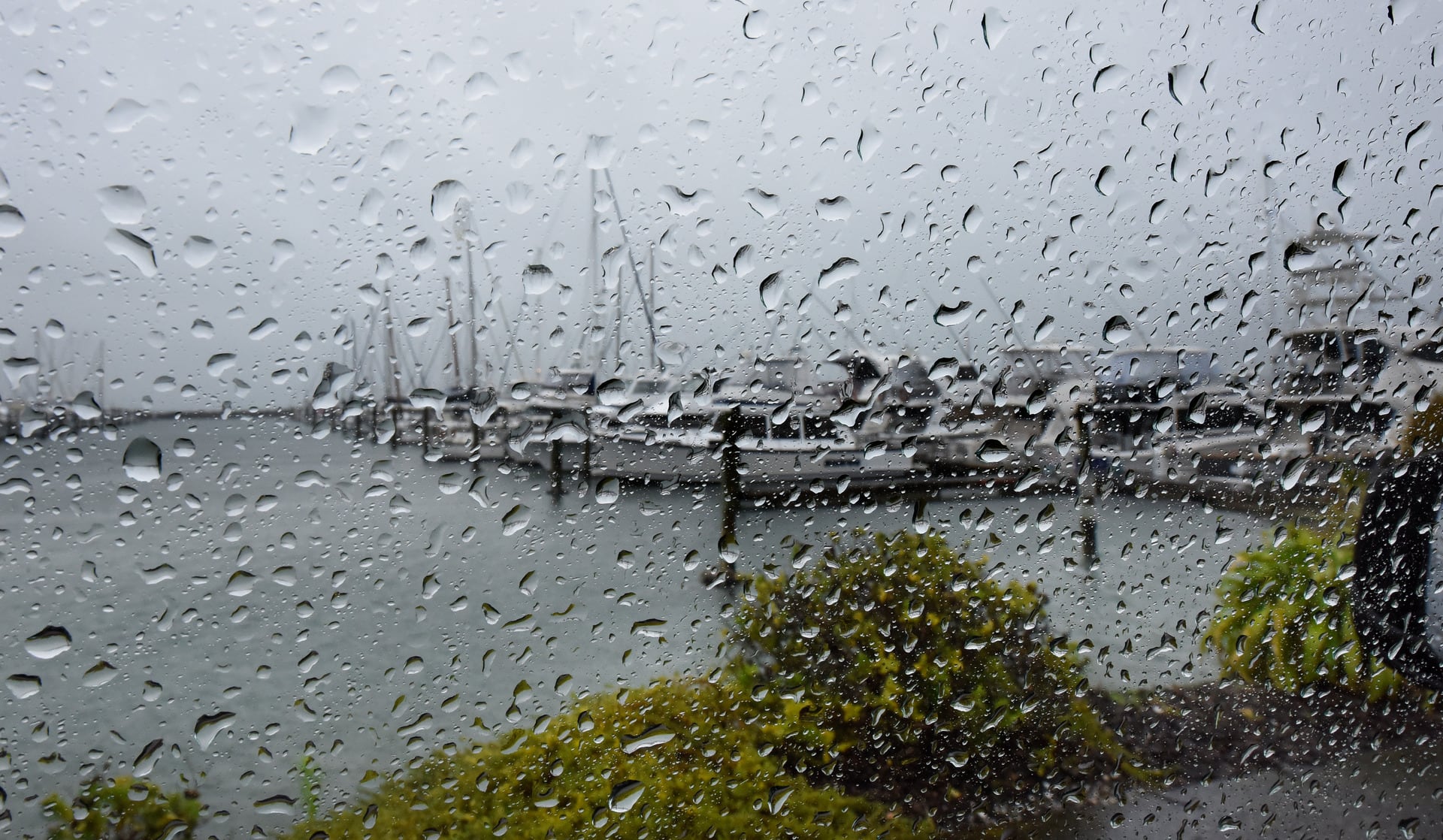
Parts of New Zealand are expected to experience a wetter and warmer spring, with shifting ocean conditions indicating that La Niña could return by the end of the year.
The latest Seasonal Climate Outlook from Earth Sciences New Zealand (formerly Niwa) predicts more frequent northeasterly to easterly air flows from August to October, bringing an increased risk of heavy rain, flooding and atmospheric river events.
Meteorologist and principal scientist Chris Brandolino said tropical and subtropical systems are more likely to influence the country over the coming months.
“The likelihood of tropical and subtropical systems influencing New Zealand remains elevated, and this is associated with an increased risk of heavy rainfall events, including those linked to atmospheric rivers, and flooding,” said Brandolino.
Above normal rainfall is forecast for the north and east of the North Island, driven by circulation anomalies.
However, the southwest of the South Island may see drier conditions as more persistent easterly flows develop.
Air temperatures are expected to be above average across most of New Zealand, although the east of the South Island has an equal chance of experiencing near or above average temperatures.
“Cold snaps and frosts may still occur, but less often than usual,” said Brandolino.
Soil moisture levels and river flows are likely to remain near normal in the north and west of the North Island, while the east may experience below normal conditions.
For the South Island, near or above normal levels are expected.
The tropical Pacific Ocean is currently in a neutral state, but signs in the ocean are starting to point towards a La Niña forming soon
Subsurface temperatures and ocean heat content have shown clear signs of change, boosting the chances of a La Nina forming later in 2025.
Sea surface temperatures remain above average around NZ, particularly off the west coasts of both islands, where marine heatwave conditions persist.

0 comments
Leave a Comment
You must be logged in to make a comment.