


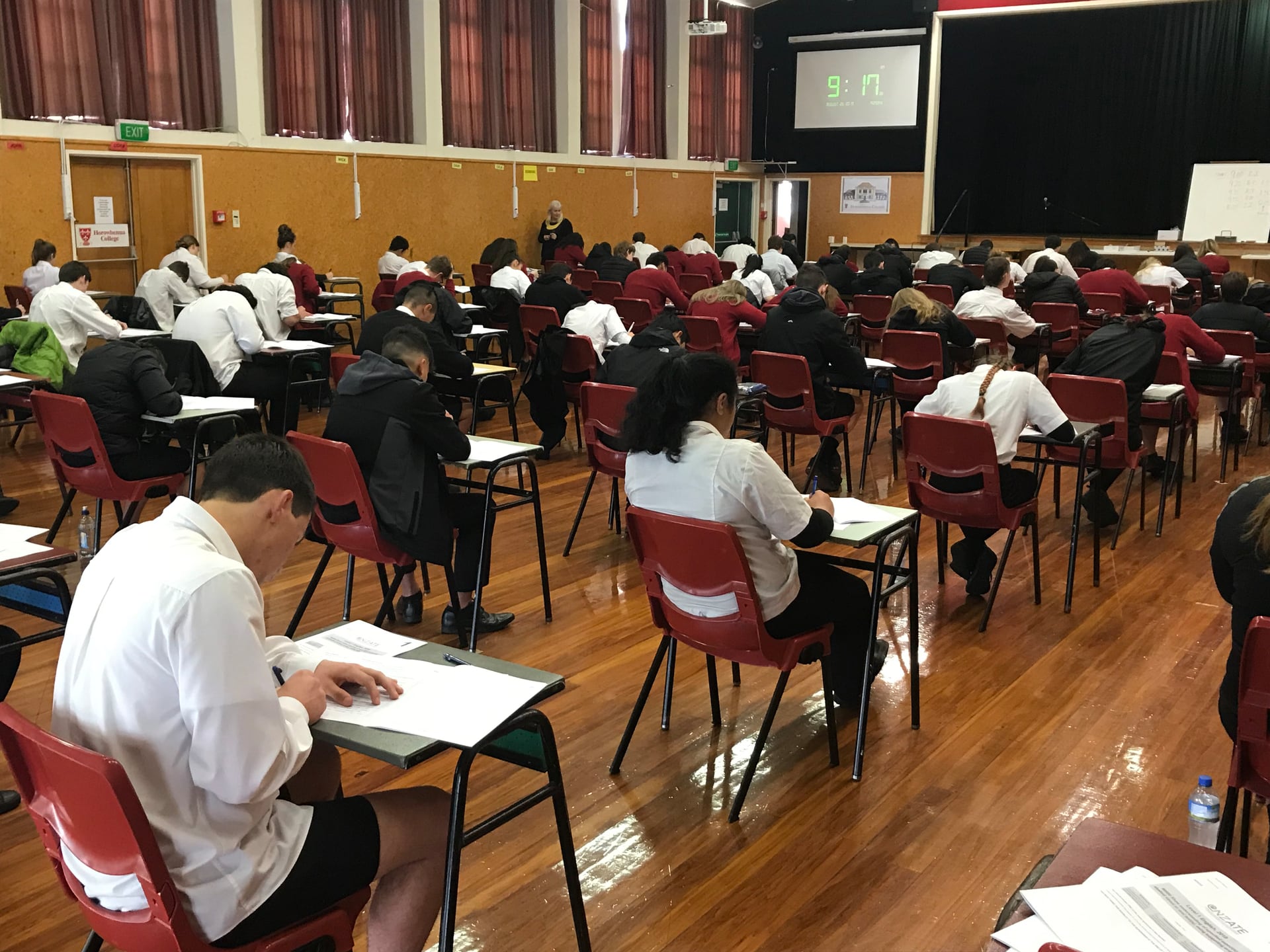
The Government’s proposal to abolish NCEA is a “huge backward step” that feels like a return to the 1980s, a Bay of Plenty principal says.
The proposed changes garnered varying levels of enthusiasm among Rotorua and Tauranga principals NZME spoke to after yesterday’s announcement.
The Government proposed to replace the main secondary school assessment system with a new national qualifications system, sitting alongside a refreshed curriculum.
NCEA Level 1 would be removed, with year 11 students instead facing a “Foundational Skills Award” with a focus on literacy and numeracy.
NCEA Levels 2 and 3 would be replaced with the New Zealand Certificate of Education at Year 12 and the NZ Advanced Certificate of Education at Year 13 under the proposal.
Students would need to take five subjects and pass at least four to achieve each certificate, with A-E grades and marks out of 100.
The changes would be implemented gradually over five years, starting with the Foundational Skills Award in 2028.
Pāpāmoa College principal Iva Ropati said the current system needed fixing, “but not to the serious extent of where the Government has proposed”.
“The plan is a huge backward step for education in NZ,” he said.
He argued the Government had poorly understood the complexity of the modern standards-based assessment qualification.
“Their ‘fix it’ attitude will result in the complete demolition of a strengths-based approach to student learning and flexible pathways in a NZ context.
“It feels as though we’re headed back to the 1980s and therefore will potentially lose much of what was positive about our current qualification system.”
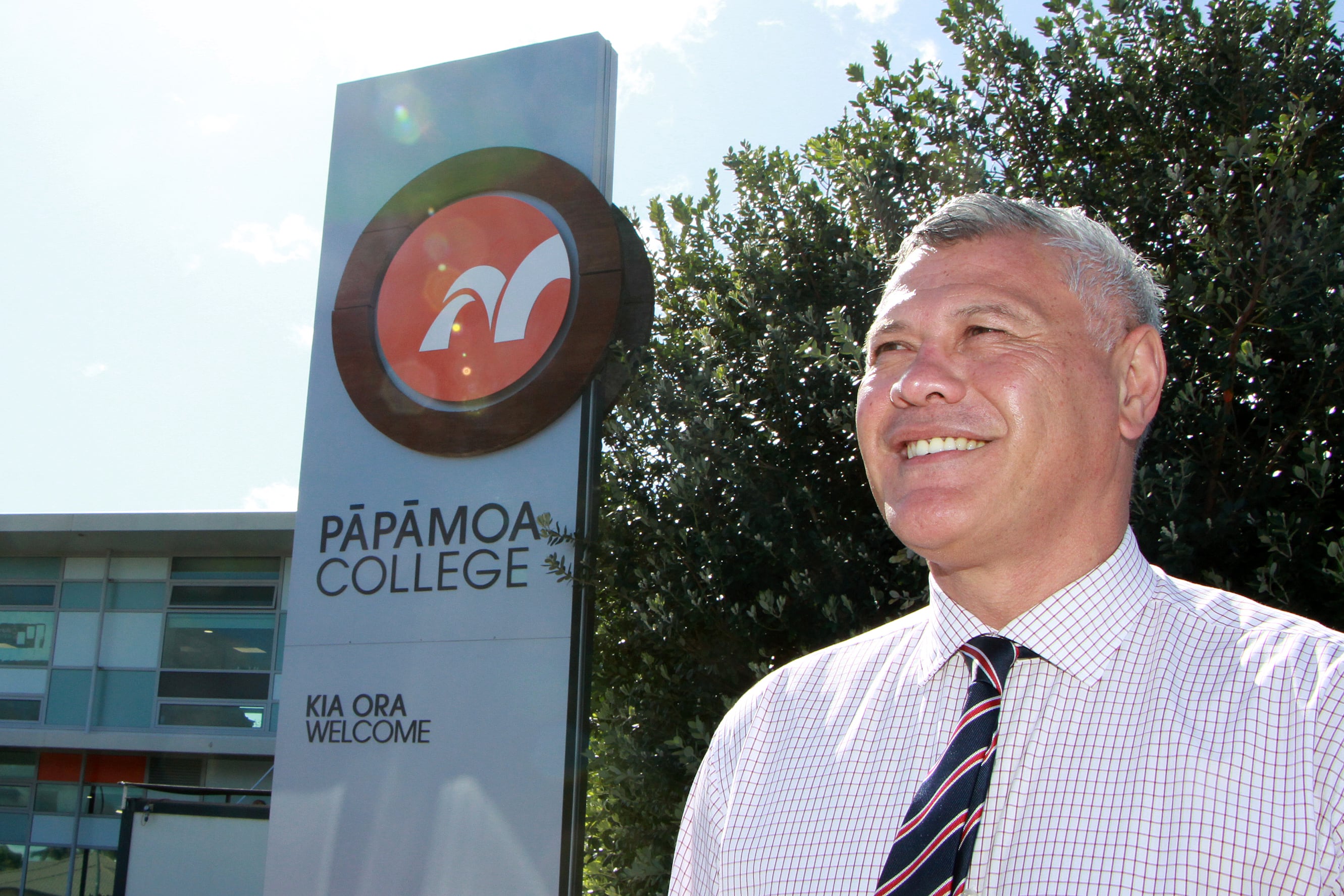
Pāpāmoa College principal Iva Ropati. Photo / Stuart Whitaker
He said the current system had flaws – it was poorly understood in the wider community, did not consistently promote excellence in achievement, and had a widening engagement gap especially for vulnerable learners.
However, the new model felt cold, impersonal and at risk of being irrelevant for modern society.
Mount Maunganui College principal Alastair Sinton said he felt positive about students only needing two qualifications, but wanted clarity about how University Entrance would be achieved.
“I would like to see University Entrance integrated into the proposed NZ Advanced Certificate of Education (NZACE) at Year 13, to simplify the journey for students and families further.”
Sinton said he was glad to see many positive elements of NCEA would be protected under the new proposal.

Mount Maunganui College principal Alastair Sinton. Photo / Brydie Thompson
“Public opinion has never been entirely behind it [NCEA]. This has resulted in a lack of credibility, which has been unfortunate but understandable at times.”
He said the recent addition of the Numeracy and Literacy Common Assessments meant students currently moving through the qualification would remain well prepared.
Rotorua Boys’ High School principal John Kendal said he was curious to unpack the changes with the school’s staff, students and community to better understand how they would impact students.
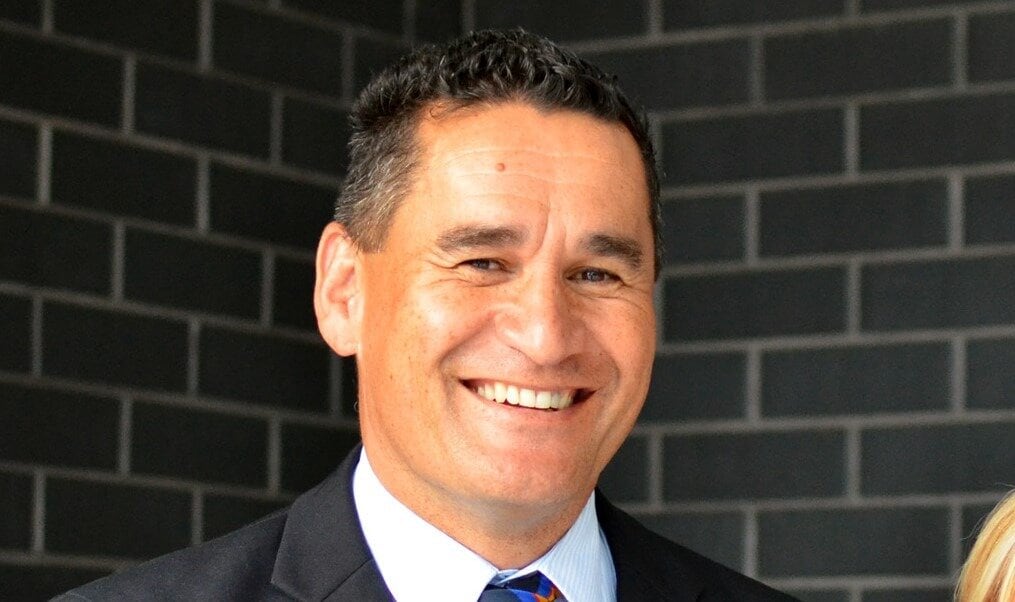
Rotorua Boys’ High School principal John Kendal. Photo / Supplied
He said NCEA worked well at his school, achieving high passing rates at each level.
Ōtūmoetai College principal Russell Gordon said NCEA delivered strong outcomes when implemented well.
“While some public messaging portrays it as fundamentally broken, I would offer a more measured view: NCEA is not broken, but I do believe that it needs to evolve.”
He said the national system must continue to adapt to meet the needs of students in a changing world.

Ōtūmoetai College principal Russell Gordon. Photo / Supplied
For some students, the current system’s flexibility had encouraged a focus on simply attaining the qualification, sometimes at the expense of deeper skill and knowledge development.
“Changes must be thoughtful, evidence-based, and carried out in genuine partnership with schools, employers, tertiary providers, families and whānau.”
Gordon said elements of the proposal, such as improved subject clarity, literacy and numeracy benchmarks, and clearer grading, could strengthen the qualification.
Labour MP Jan Tinetti - a former education minister and Tauranga school principal - said she was concerned the proposed system could take the qualification backwards.
“The direction the Government has announced doesn’t seem to be very forward-looking.

Labour MP Jan Tinetti. Photo / File
“I have already heard from schools around concerns they have; however, the devil is in the details, which the announcement is scant on.”
“It’s like saying here is the outline of the house but you can’t see inside it yet.”
Bay of Plenty National MP Tom Rutherford said the current NCEA system had significant problems, with international ranking showing Kiwi student falling behind in key areas such as literacy and numeracy.

Bay of Plenty MP Tom Rutherford. Photo / Alex Cairns
He said the system’s flexibility had led to students choosing easier pathways just to accumulate credits rather than developing critical skills Bay of Plenty industries needed.
Tauranga National MP Sam Uffindell said students could “game NCEA” by patching together credits from random courses and avoiding external examinations.

Tauranga MP Sam Uffindell. Photo / Alex Cairns
“Too many students were allowed to slip through the cracks.”
Rotorua National MP Todd McClay said the proposed changes were a sensible step to provide secondary school educators, students and their parents with structure and clarity.

Rotorua MP Todd McClay at the opening of Fieldays 2025. Photo / Maryana Garcia
“They will set Rotorua teenagers up with a strong foundation, and provide clearer pathways for future training, employment or study, and the new internationally benchmarked national qualification gives them the means to succeed in a modern global economy.”
The proposal is open for consultation until September before final decisions will be made.

3 comments
NO education system will be perfect.
Posted on 05-08-2025 12:00 | By morepork
But a fundamental aspect must be consistency.
Prospective employers need to know that there is a standard which has been attained and they can reasonably expect competency in English (spoken and written) and arithmetic, if nothing else.
Sadly, I see examples most days of young people who don't have this competency.
Letting schools evaluate and pass students is a mistake. There should be an independent exam set by an outside Education Authority. Back in the day, we got "accredited" for University Entrance; at least, we did if we were in the first cricket 11 or rugby 15 and we managed not to upset the Principal and/or faculty. (I had to sit for mine... :-)) Many who were accredited would never have passed...
"He said NCEA worked well at his school, achieving high passing rates at each level."
Wrong! It is the STANDARD that matters, NOT the pass rate.
RIP NCEA
Posted on 05-08-2025 12:15 | By Rosieterry
We need to stream secondary schools from year 11 into vocational and academic. A year 13 student can mix up hospitality, drama, maths and IT and pass their level 3 NCEAL without any clear pathway to tertiary training. Schools allow students to take the easy options so they can get good pass rates.
We do need to reintroduce streaming..
Posted on 24-08-2025 17:21 | By groutby
...as we appear to live in a world in which choices are varied, so surely standards within students academic ability depending on circumstance, we all probably have opinions as to the reasons, but it is what it is....
Those with more 'vocational' aspiration would be happier and more likely to succeed without attainment struggles, while those with higher 'academic' aims would flourish without the potential restriction from those struggling to reach even higher achievement...what can there possibly be to lose?...and it would give parents/caregivers opportunity to become actively involved in the level of success for their charges.
Also, teachers may (wish to comment) find more personal success for themselves teaching to an expected level, thus assisting with remuneration decisions as achievement is attained.
And yes morepork, I too believe it is about standards NOT pass rates....no-one wins in the longrun with low standards....
Leave a Comment
You must be logged in to make a comment.