


Local body elections are under way and eight hopefuls are vying for the Western Bay of Plenty’s top job. Local Democracy Reporting quizzed the mayoral candidates about key issues ahead of the October 11 election. We will publish those stories over the coming days. Quick Bio Name: Rodney Joyce Age: 59 Resides: Katikati Profession: Business owner, former financial and local body journalist, current councillor Political party affiliations: Former National Party member Family: Partner and three children. Western Bay of Plenty mayoral candidate Rodney Joyce wants the long-awaited school at Ōmokoroa built as part of a regional deal. The first-term councillor, who is also standing for re-election in the Katikati/Waihī Beach ward, said he would not make ultimatums for the deal with central Government, but the most important thing was housing growth, and the school would help this. The Ministry of Education paused plans for the primary and secondary school at Ōmokoroa in 2024. The Western Bay sub-region is one of three areas developing a regional deal with the Government to unlock funding and resource opportunities. The first deal is expected to be finalised by the end of the year. Joyce’s three priorities as mayor were efficiency, openness and transparency, and to guide the Western Bay of Plenty District Council through change. Part of this was the “crucial job” for the new council of finding a new chief executive to replace interim leader Miriam Taris. The council also needed to be reset to a smaller organisation once its water services were transferred to a planned new joint entity as part of Local Water Done Well reform, Joyce said. “Waters are such a huge part of what we do now.” He wanted to work with the community on the council make-up in future. “Staff, elected members, the community – everybody’s got to be involved in shaping the future.” The council also couldn’t afford business as usual, so efficiency was needed, which included resizing the organisation and reducing head office costs, he said. There was a feeling in the community that the council talked at people rather than joining a conversation, so the council needed to be more open. “Tell the bad news, not just the good news. It’s not a marketing exercise.” Asked for a nice-to-have on his agenda, he said an open and collegial chief executive and mayor at the council. “It would make a huge difference in the community if the council was seen and behaved in a more open and transparent way.” His long-term goal was to enable more housing by zoning more residential land and building infrastructure. “To get houses built on a reasonable scale, you’ve got to build the infrastructure first.” Using the Government’s financing tools and development contributions so that “growth paid for growth” would help, but there was no magic bullet, he said. He was open to sharing services with other councils, but amalgamation was something the public needed to be keen on. There were potential efficiencies, but there was also the risk of losing the local touch. He said a referendum would be needed before any amalgamation. He supported Māori wards because they increased representation and were an important way to diversify the council. It was also democratic, and recognised the Treaty of Waitangi partnership. Voting is open until midday on October 11.
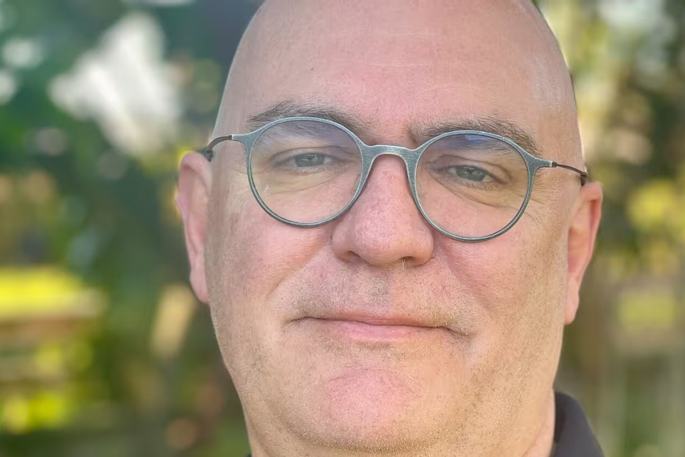
 Rodney Joyce wants the planned Ōmokoroa school built to support housing growth. Photo / George Novak
LDR is local body journalism co-funded by RNZ and NZ On Air.

0 comments
Leave a Comment
You must be logged in to make a comment.