


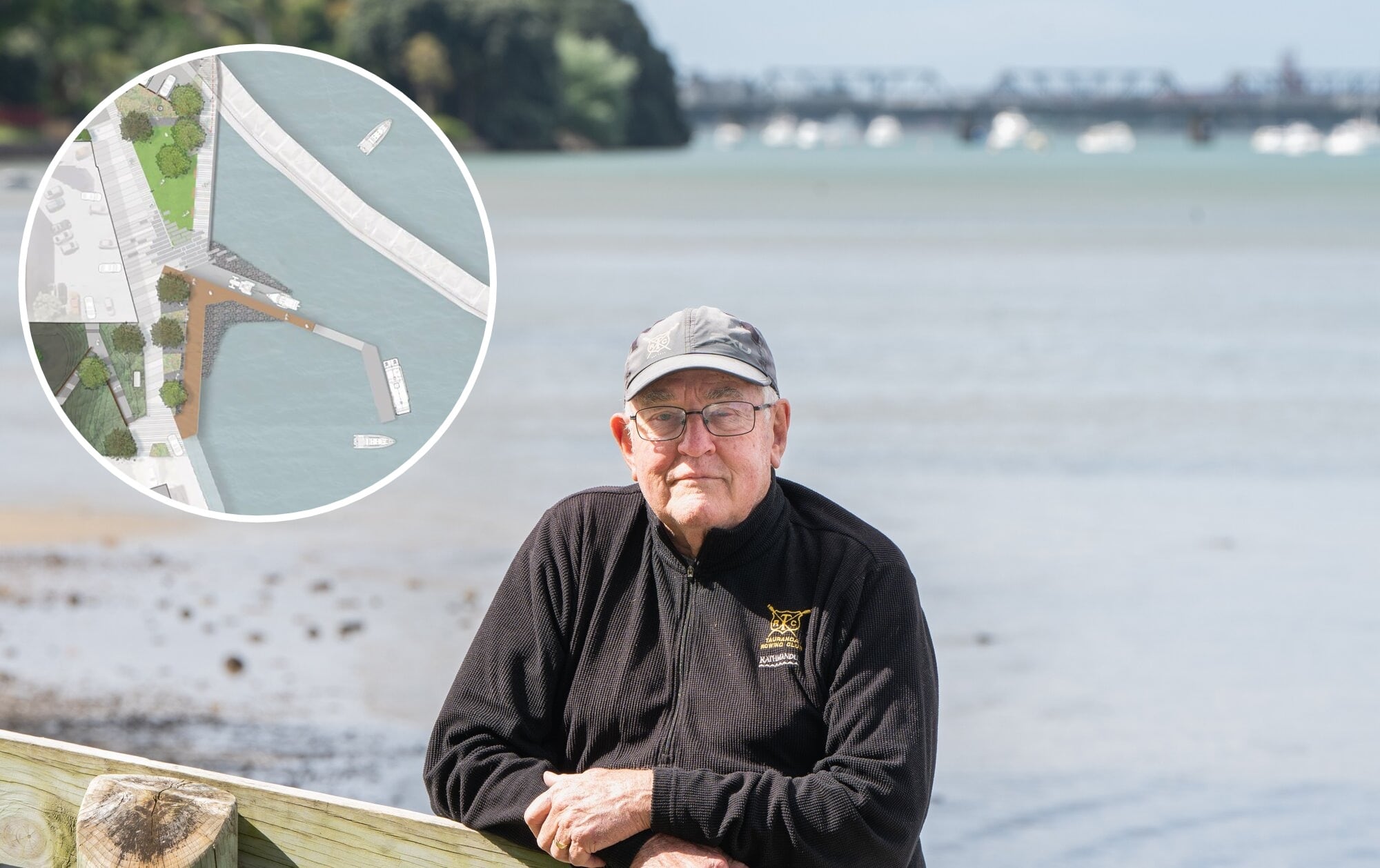
Plans for pontoons in a picturesque part of Tauranga Harbour have rowers and harbourside residents riled up.
The planned structure would be the new base for the Bay of Plenty Regional Council’s maritime emergency response facility, from which it responds to incidents such as oil spills.
Plans include an upgraded boat ramp, floating access and mooring pontoons, and a boat wash facility. Response vessel Awanui would be permanently moored there.
The Strand extension location was chosen because it is in front of the council’s Regional House offices, with the basement housing its vessels and marine equipment.
The council said the pontoon would reduce the response time in an emergency from two hours to 15 minutes because its equipment and vessels would be in one place, rather than in different parts of the harbour.
However, residents and rowers are concerned it will impact other harbour users.
Tauranga Rowing Club president Neil Chinnery-Brown said if the pontoon was built, the club would no longer be able to use that part of the harbour for its training sessions.
“The harbour is quite exposed and under some weather conditions, the town reach, as this area of harbour is known, is the only possible place to row.
“If it was not available we would not be able to train on days with strong westerly winds.”
He said the pontoon would be in the way when rowing back from Tauranga Harbour Bridge on the west (city centre) side of the harbour to the club at Memorial Park.
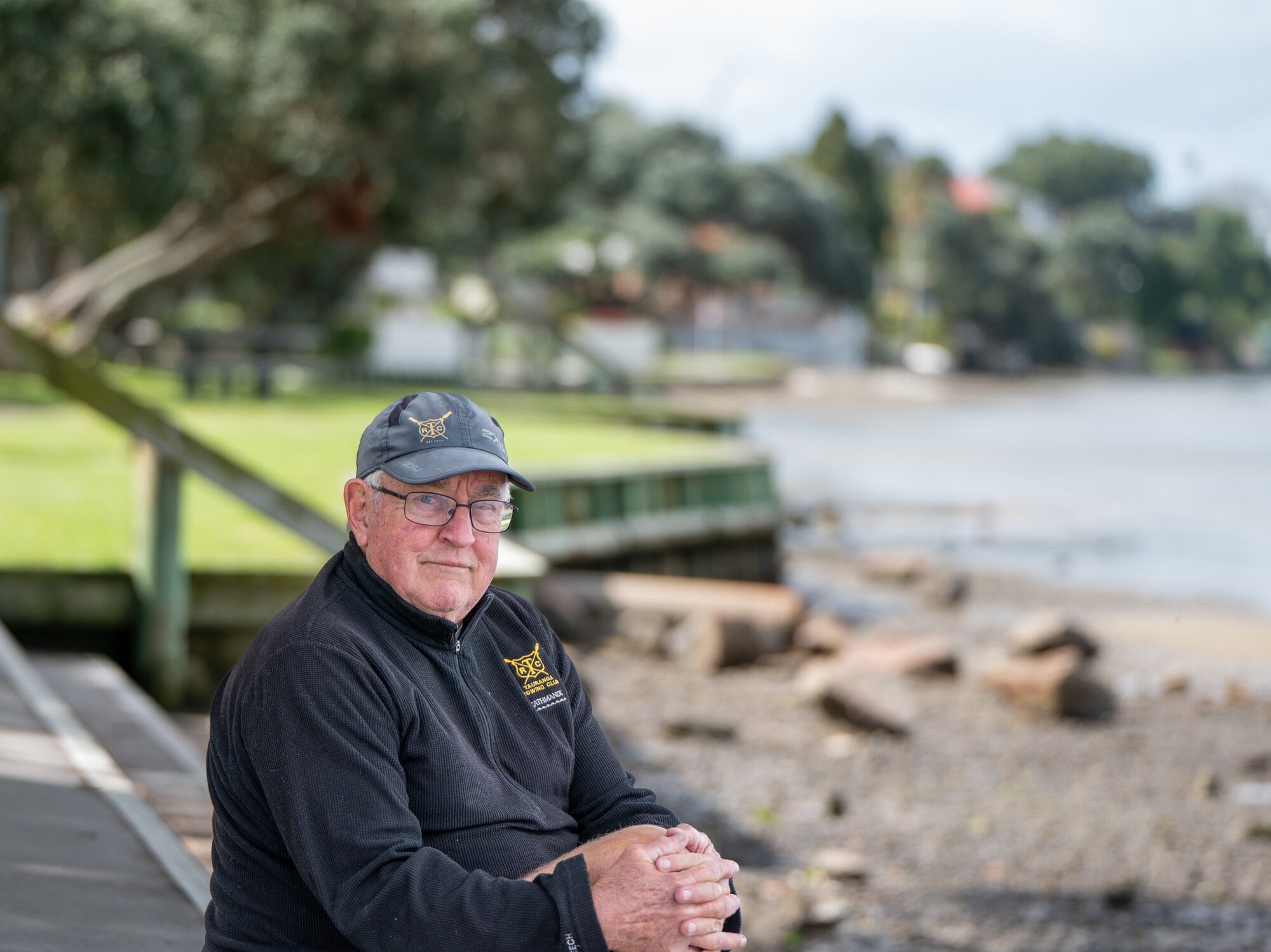
Tauranga Rowing Club president Neil Chinnery-Brown. Photo / Brydie Thompson
Rowers train seven days a week and there could be eight to 10 crews out at a time, Chinnery-Brown said.
“We’re always looking for the best water [conditions].”
The club objected to the proposal during consultation, but Chinnery-Brown believed it was a “fait accompli”.
The club believed the pontoon should be part of the Port of Tauranga’s planned expansion or based at Sulphur Point, north of the bridge and closer to where emergency services may be needed, he said.
Greg Taylor lives on The Strand extension and the pontoon will be directly outside his home.
He said The Strand extension was a recreational area used by walkers, workers on their lunch breaks, swimmers, kayakers, boaties and fishermen.
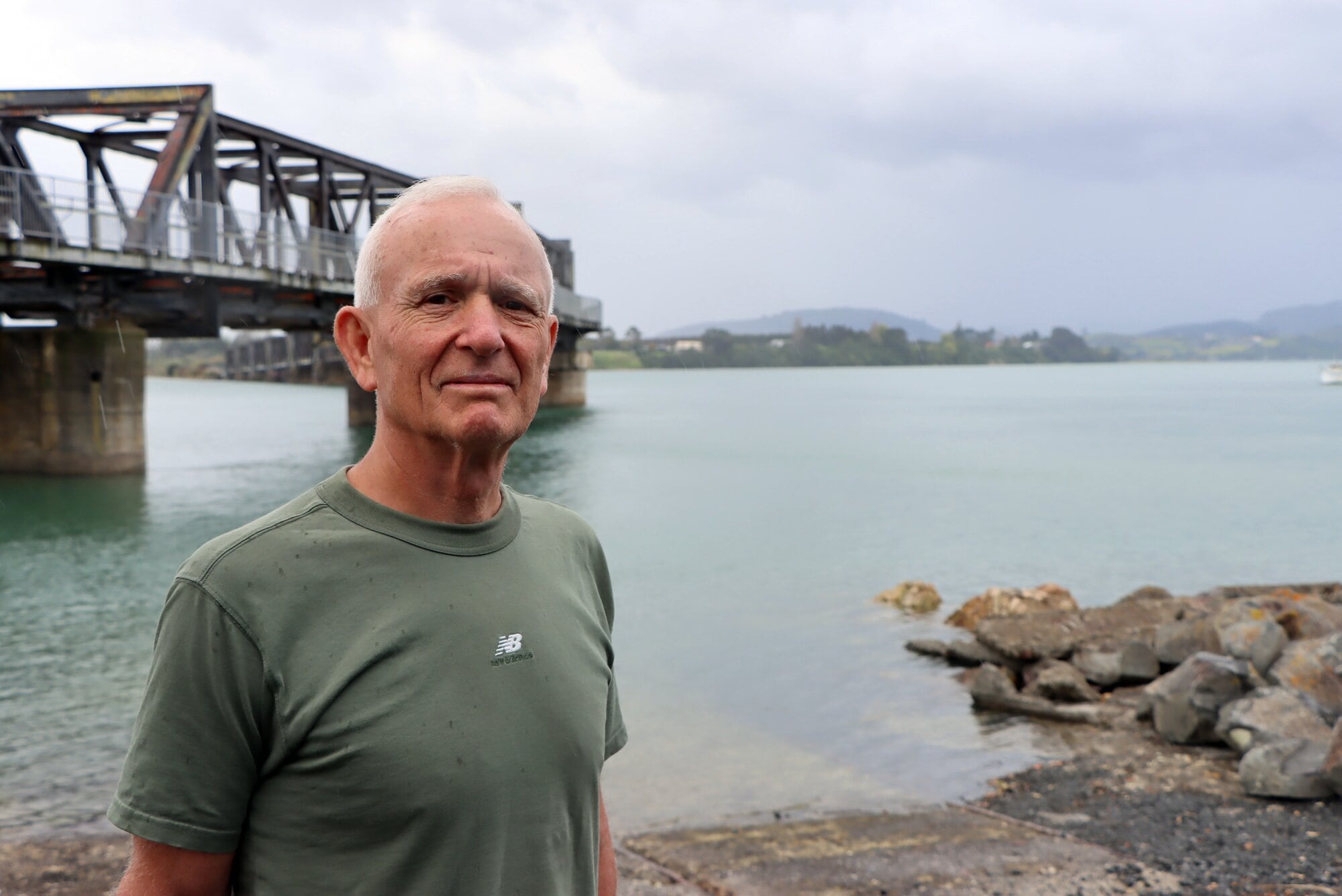
Greg Taylor lives on The Strand Extension in Tauranga and is opposed to the planned maritime emergency response facility that would be outside his home. Photo / Alisha Evans
Taylor wanted the council to consult publicly about the pontoon rather than just with affected parties.
“The whole of Tauranga is an affected party, not just the residents that live here.”
The pontoon would be another structure in the harbour and was not needed, in his opinion.
He questioned the council’s expected improvement in response times and said the boat’s current location was more appropriate.
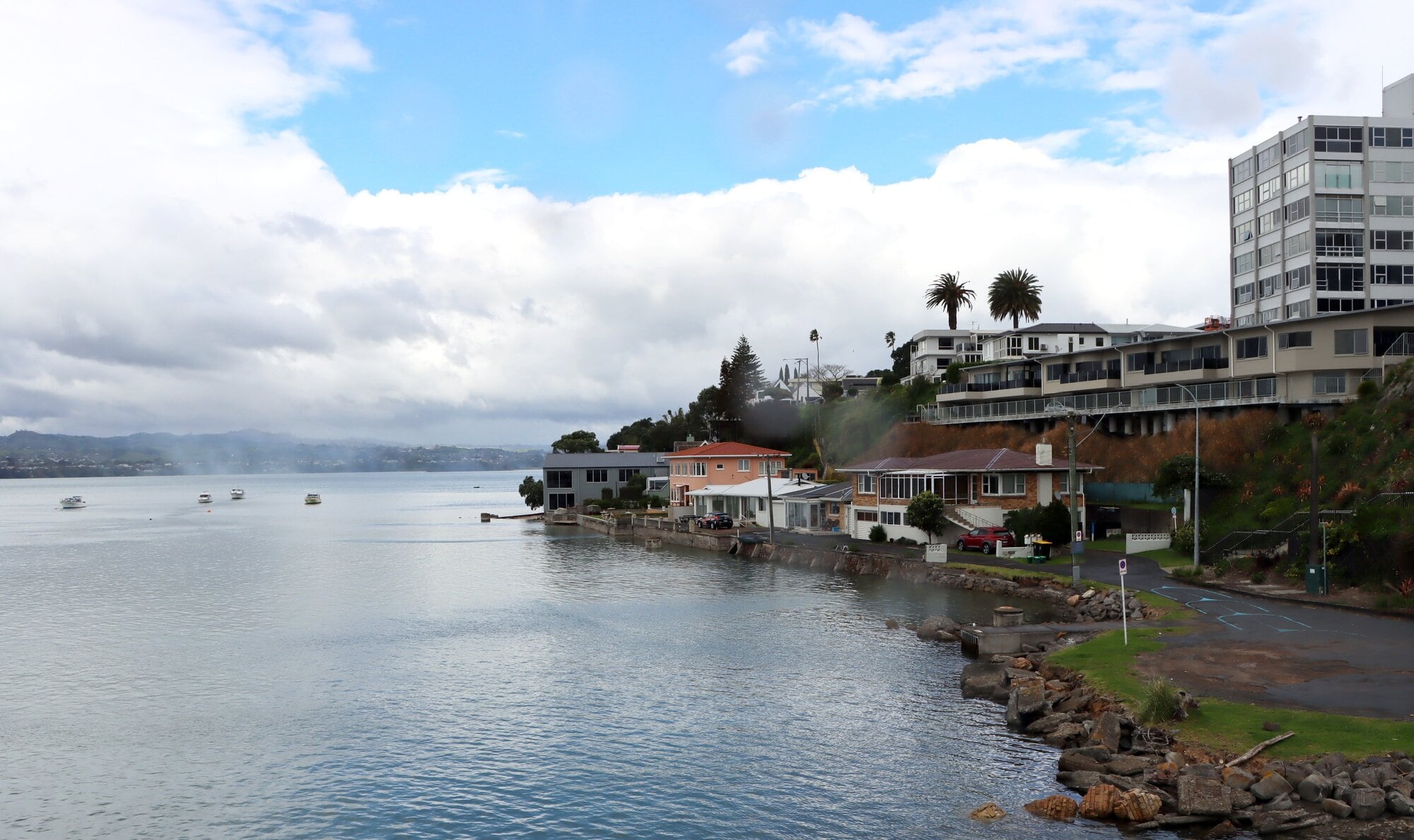
The pontoon of the council's planned Maritime Emergency Response Facility would be outside the homes of residents along The Strand extension. Photo / Alisha Evans
Taylor’s neighbour Ben van der Vlugt worried access to their homes and public areas would be restricted during an emergency.
“During an oil spillage event, our personal access will be detrimentally affected.”
He acknowledged the pontoon would affect his views but emphasised the area was “used by many members of the public”.
“Our understanding was that this area down here would be developed as a recreational area for the public.”
An “industrial marine facility” was not what they expected.
Van der Vlugt said the facility could pose a risk to the harbour and its users if oil or other contaminants got into the water from the council’s equipment.
He believed the council applying to itself for resource consent was like “checking their own homework”.
Council regulatory general manager Reuben Fraser said the facility would enable the council to better protect Tauranga Moana from environmental harm during maritime emergencies.
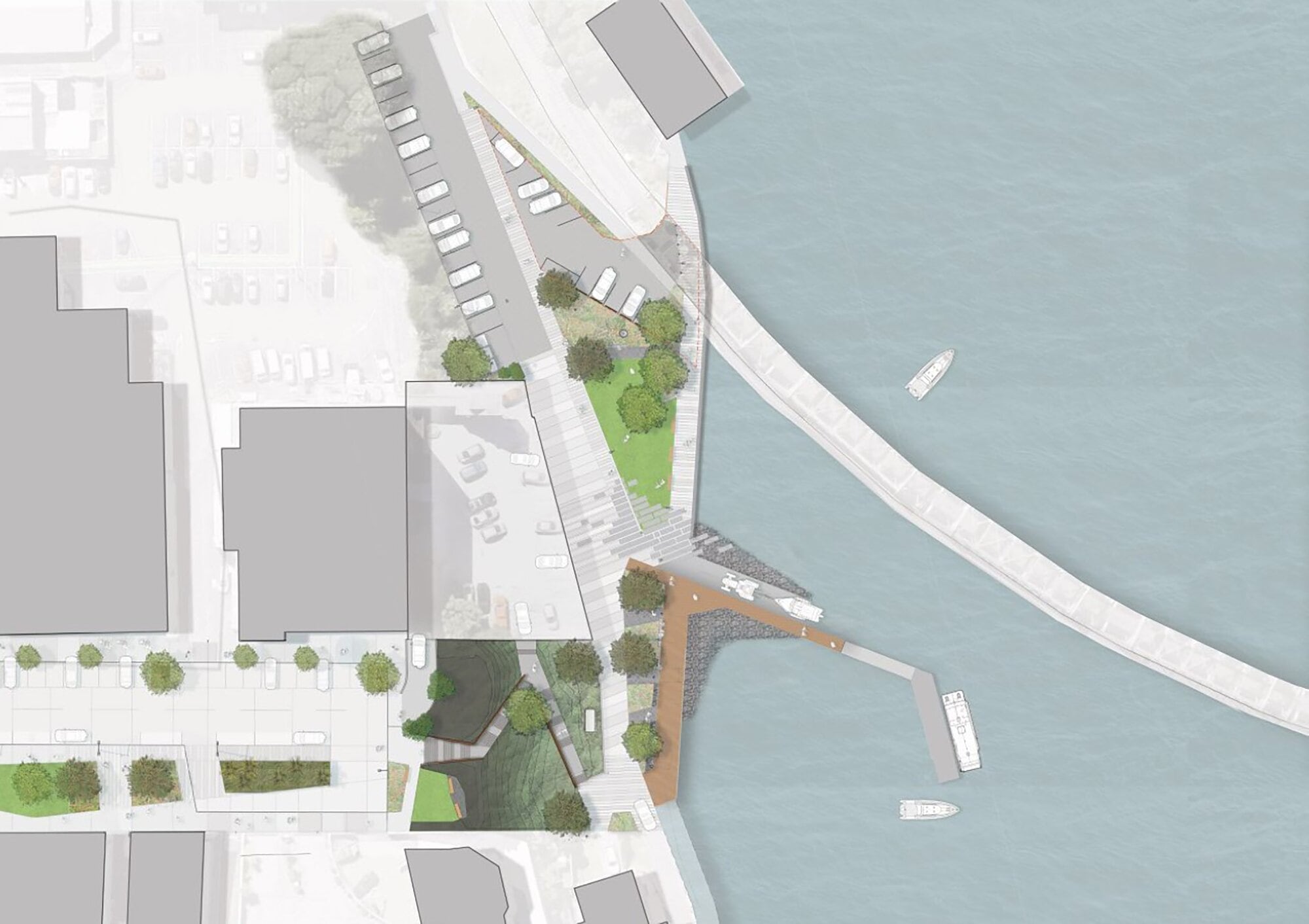
An aerial impression of the planned maritime emergency response facility. Image / Bay of Plenty Regional Council
The design aimed to minimise impacts on harbour users, he said.
The location was chosen to reduce emergency response times and for its proximity to Regional House and the marine equipment, he said.
Alternative sites considered did not meet the operational requirements for rapid deployment, Fraser said.
In August, the council sought feedback from iwi and hapū, immediate neighbours and affected parties, including Tauranga Rowing Club and the Tauranga Harbour Protection Society.
Further consultation might happen during the resource consent process, Fraser said.
The design and construction plans included provisions to maintain access for residents and businesses, even during emergencies, he said.
“Temporary restrictions may apply for safety but full closures are not anticipated.”
Environmental safeguards were integral to the project’s design, Fraser said.
The construction plan included hydrocarbon controls, erosion and sediment measures, and containment systems for washdown water.
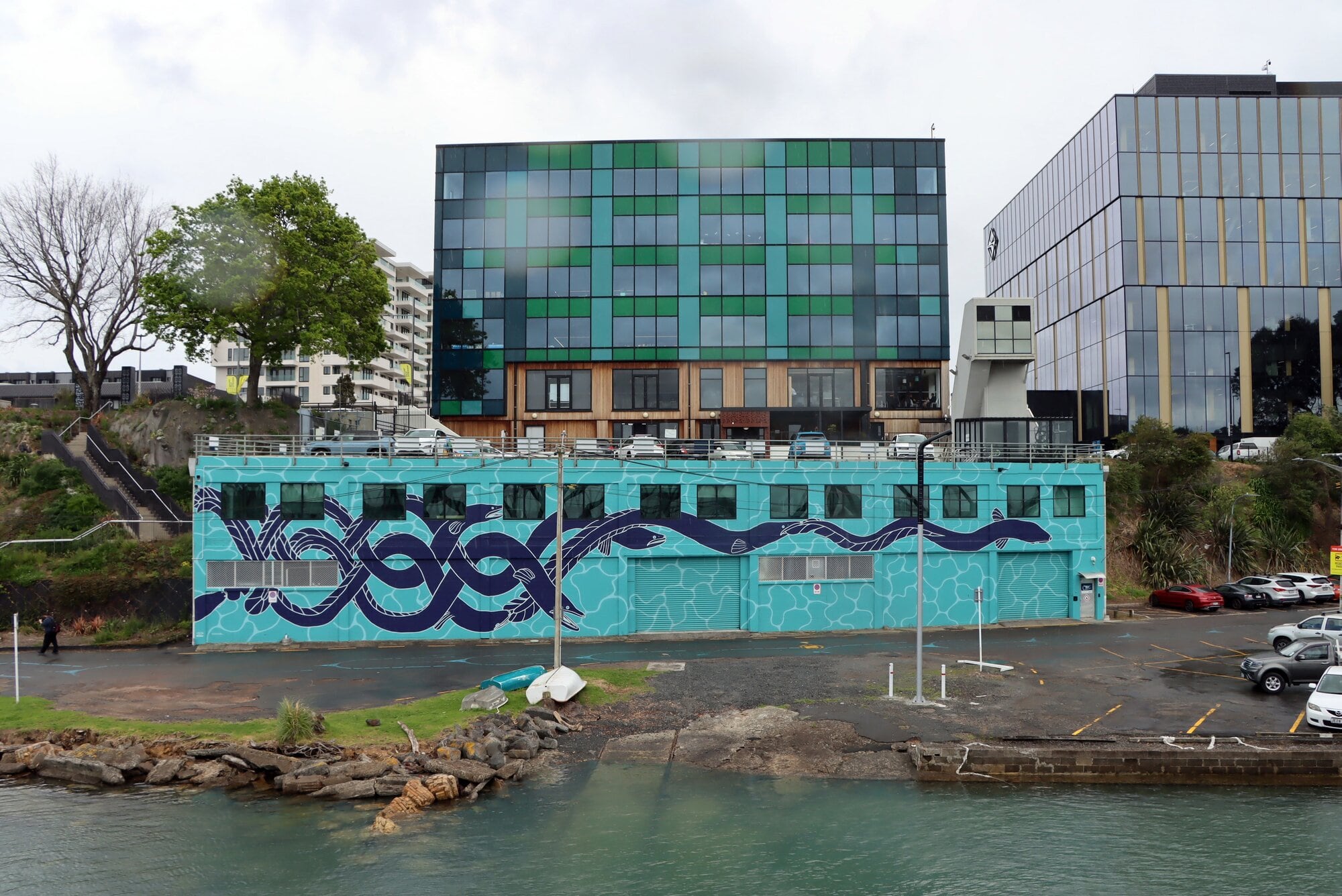
The location for the planned maritime emergency response facility was chosen because it is directly below the regional council offices and would reduce response times in an emergency. Photo / Alisha Evans
Water would be contained and treated before being discharged into the harbour, he said.
Oil-contaminated products would be disposed of at approved facilities elsewhere under hazardous waste protocols, Fraser said.
The resource consent applications would be lodged with Tauranga City Council for land-based parts of the project.
Marine-based activities would be lodged with itself as the regional council.
The council had clear procedures to manage any possible conflicts of interest when it was the consent authority and the applicant, following the Auditor-General’s good practice principles.
“An independent commissioner is appointed to make the final decision on the application.”
Consent applications were being prepared and if approved, construction was due to begin next year.
Fraser would not provide the estimated cost of the project because it was due to go out for tender, but he said it was budgeted for.
LDR is local body journalism co-funded by RNZ and NZ On Air.


2 comments
Is this not low impact ?
Posted on 21-11-2025 13:52 | By Fred Bear
This project adds nothing to the north-east scenery that's solidly blocked by the sweeping rail bridge. The tranquility view is towards Matapihi and beyond. A bigger issue would be "Where is the next marina going?".
Get A Life
Posted on 21-11-2025 19:05 | By Yadick
. . . He acknowledged the pontoon would affect his views . . .
How in the world is a pontoon going to do that? Do you live under a rock looking out?
These residents would be the first to complain if an event happened. The response would never be quick enough.
It's a great idea and a great way to clean-up the mess down there. Good use of the area.
Leave a Comment
You must be logged in to make a comment.