


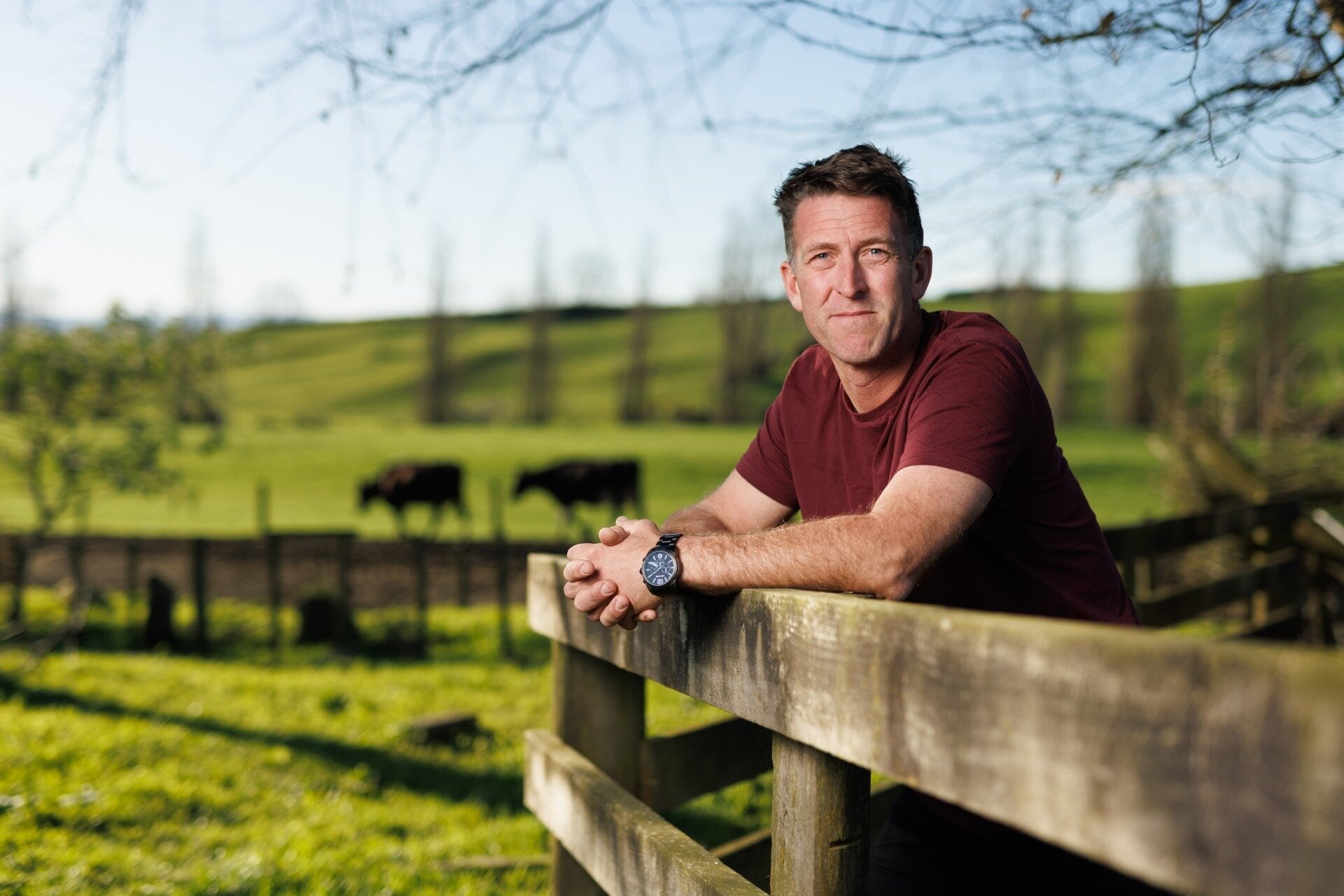
Federated Farmers is calling for a national pest strategy as rising numbers of feral animals hammer farm pasture, fences, and native bush.
The lobby and advocacy group says the current fragmented approach, with responsibility divided by land tenure and function, is holding back progress.
“Farmers are constantly reporting bigger mobs of feral deer, wild pigs eating lambs, and huge flocks of Canada geese and ducks fouling farmland and waterways,” says Federated Farmers meat and wool chair Richard Dawkins.
Other pests include possum, wallabies, goats, rats, stoats, hares and rabbits and the extent of the damage depends on the land use and whether it is attractive to that particular pest.
Central leadership
“We need action that covers all pest species, all land tenures, and brings every stakeholder into one co-ordinated effort.”
The Department of Conservation (DoC), regional councils, Biosecurity New Zealand (MPI), the Environmental Protection Authority (EPA) and OSPRI (targeting TB vectors - mainly possums), all have roles.
“Responsibility is split across these multiple agencies, with no central leadership or clear lines of accountability,” says Dawkins.
“The result is gaps, inefficiencies and inconsistent coverage, with productive land paying the price.”
Dawkins says climate change and emissions factors are another reason Federated Farmers wants action.
“Our food producing sector is being asked to make big cuts in emissions, but what about the methane and nitrous oxide coming from pests like deer, goats and pigs?
“That’s surely having a serious impact on NZ’s greenhouse gas inventory, especially when you consider that feral animals are also smashing our native forests, regenerating scrub and grasslands.”
Federated Farmers want to build a national pest inventory to confirm and quantify how fast pest animal populations are rising and what regions are worst affected, because “you can’t manage what you don’t measure”.
Farmer perspectives
Federated Farmers Bay of Plenty provincial president Brent Mountfort receives regular feedback and information from the region’s farmers.
“There are different attitudes as to what constitutes as a pest. One farmer may not mind deer on their land, but their neighbour has a bio-diverse, regeneration block which cost a lot to plant, and they don’t want possum, deer and wallabies on their land,” says Mountfort.
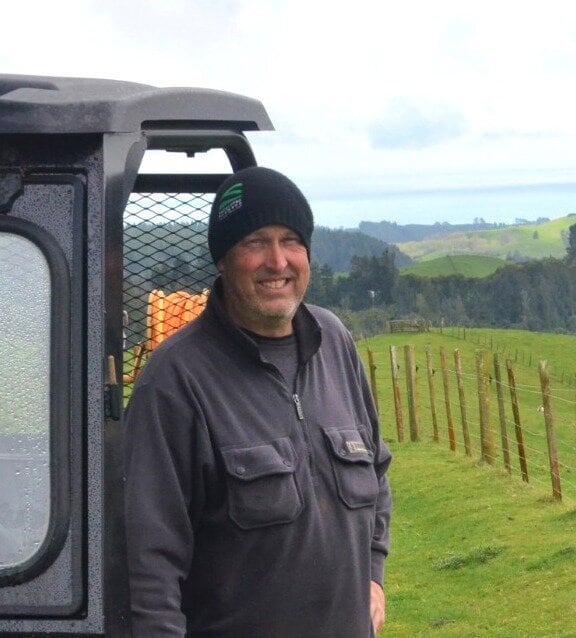
Federated Farmers Bay of Plenty provincial president Brent Mountfort.
Initially, large pine forestry blocks use pest control to safeguard their young trees and once they are established, they stop. With many owners being overseas, Mountfort questions what their plan is as their pest populations flourish and spill over into productive farmland.
One farmer backs on to DoC land and has a QEII block which is progressively degenerating from constant invasions of deer, possum and rats.
Mountfort himself has automated traps and bait stations all over his farm and they are expensive to run as they require constant emptying and re-baiting. He has some deer shooters he works with to keep the population down, and is finding that wallabies are spreading into his area.
Pasture and disease
“It’s not black and white. People want deer available for their freezers and it’s definitely a food source for many,” says Mountfort.
“Hunters tend to shoot stags, and not the hinds. Shooting nine stags and leaving one standing means that the one stag can mate with numerous hinds so numbers still increase as the offspring will be 50/50 male and female.”
It’s not just the physical damage the pests do by eating stock’s pasture or native trees, they are also vectors of disease and bring them into stock animal populations.
Deer can move ticks around, possum can carry TB and feral cats can spread a disease that causes mass abortions in sheep.
“I’ve put up 1.2kms of deer fencing on my property which cost $60,000. It feels like we are all trying to combat the issue individually rather than working together,” says Mountfort.
Federated Farmers Waikato provincial president Phil Sherwood is aware of the frustrations farmers in his area face when pests invade their land.
“Deer are smart, can jump fences, and travel great distances. They can decimate an establishing maize crop, and that is the season’s livelihood gone. It’s not just pasture and trees that are at risk,” says Sherwood.
Once it becomes known that a property has pest issues, farmer face requests from hunters. As the land is private and a working farm, letting strangers on your land has health and safety implications and puts stock at risk.
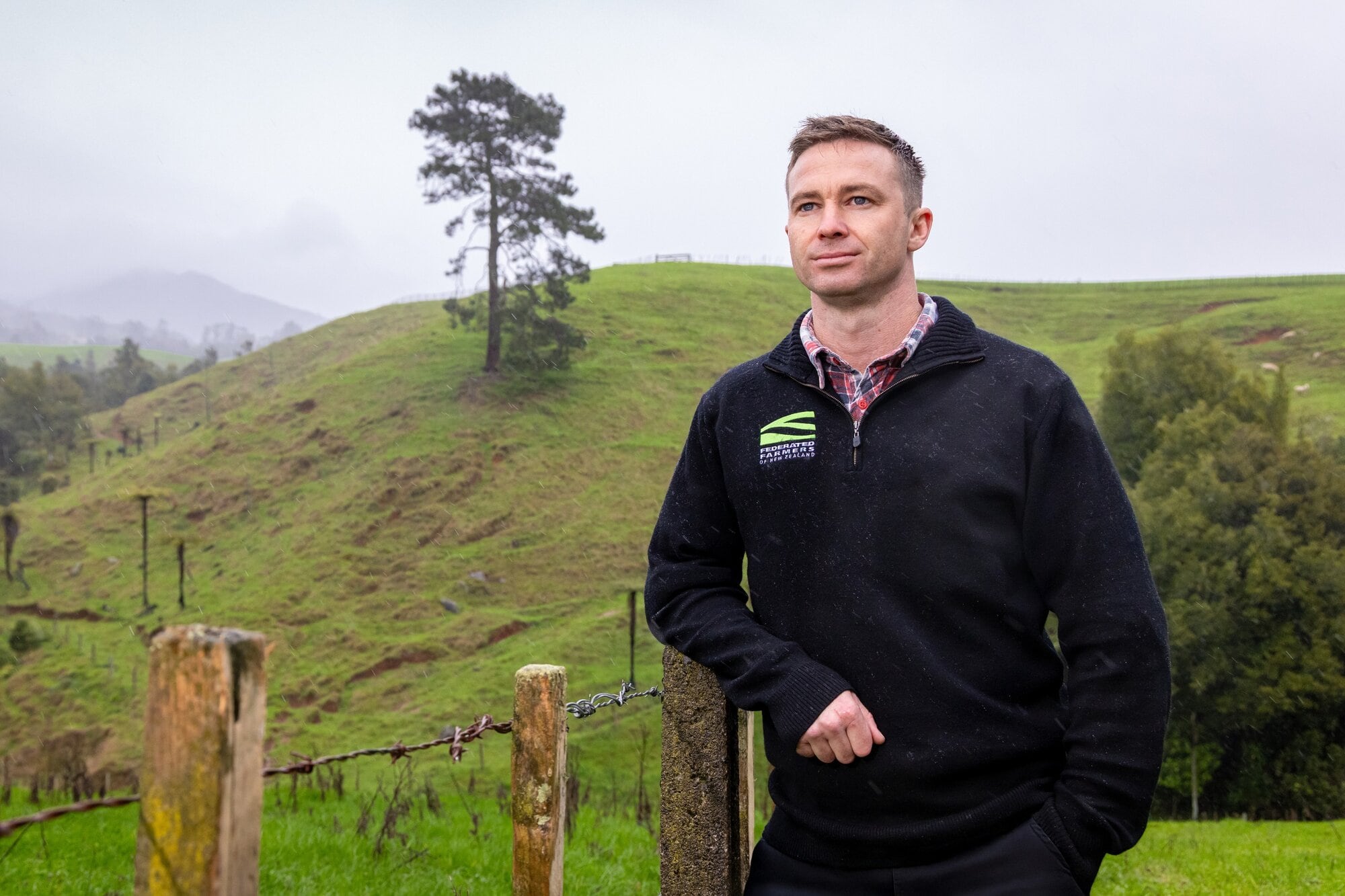
Federated Farmers meat and wool chair Richard Dawkins.
“DoC issue permits and monitor who is on their land and when.
“Poachers will enter private land with no permission and have no respect for fencing or stock.”
Sherwood acknowledges some good organisations are there such as the NZ Deer Stalkers Association who promote good hunting protocols with skilled marksmen, and the Wild Game Recovery Trust which hooks up with communities to supply them with wild venison.
Sherwood also strongly supports putting a co-ordinated strategy in place across NZ.

0 comments
Leave a Comment
You must be logged in to make a comment.