



Thousands of cases of diabetes-related amputations and vision loss amongst New Zealanders are set to be prevented by recent access to wearable glucose monitoring technology, according to modelling data.
New data, from Dexcom, shows the introduction of publicly funded Continuous Glucose Monitors (CGMs) for people living with type 1 diabetes in October last year has seen about 19,362 Kiwis gain access to the technology in the first 12 months - potentially reducing the financial burden of the condition on the health system by over $53,000 each day.
The statistical modelling shows the lifetime use of CGMs by New Zealanders living with type 1 diabetes is projected to avoid 7243 eye complications, 4645 cases of kidney disease, 1282 cardiovascular complications, 48,463 severe hypoglycaemia events requiring medical assistance and 6357 ulcers and amputations.
The figures show that preventing these complications alone could save more than $604 million in direct medical costs.
CGMs were wearable devices that use a subcutaneous sensor to monitor glucose levels continuously, providing real-time readings and alerts to help manage diabetes.
Associate Professor Rosemary Hall, endocrinologist and immediate past president of the NZ Society for the Study of Diabetes, said with type 1 diabetes, the cumulative effect of high glucose levels is significant.
“Over time, glucose builds up in the small blood vessels, in the eyes, kidneys, heart and feet, increasing the risk of serious complications. It’s that ongoing burden that makes tight glucose control so critical.
“Type 1 diabetes is relentless. It never goes away, and it’s not something someone can forget. It demands constant attention with every single decision they make.
“Even something as simple as heading into a meeting requires them to ask themselves if they need to test their sugars, if they need to eat, if they need to give insulin.”
Hall said the advancements in diabetes management have meant patients were now able to participate in aspects of life that may have previously caused huge anxiety.
“Whether it is a social event, exercise, or just a spontaneous outing, there’s more confidence and less fear. For many, it’s simply about freedom. That freedom, even in small moments, has made a profound difference.
“Similarly, for parents of children with type 1 diabetes, the challenges are ongoing.
“I’ve heard parents say they’re now finally comfortable letting their kids do things they were once terrified to allow, including school camps, sleepovers, even just playing outside. That’s a huge change from the chronic sleep deprivation they’ve previously lived with, waking up every night to check blood sugar levels.”
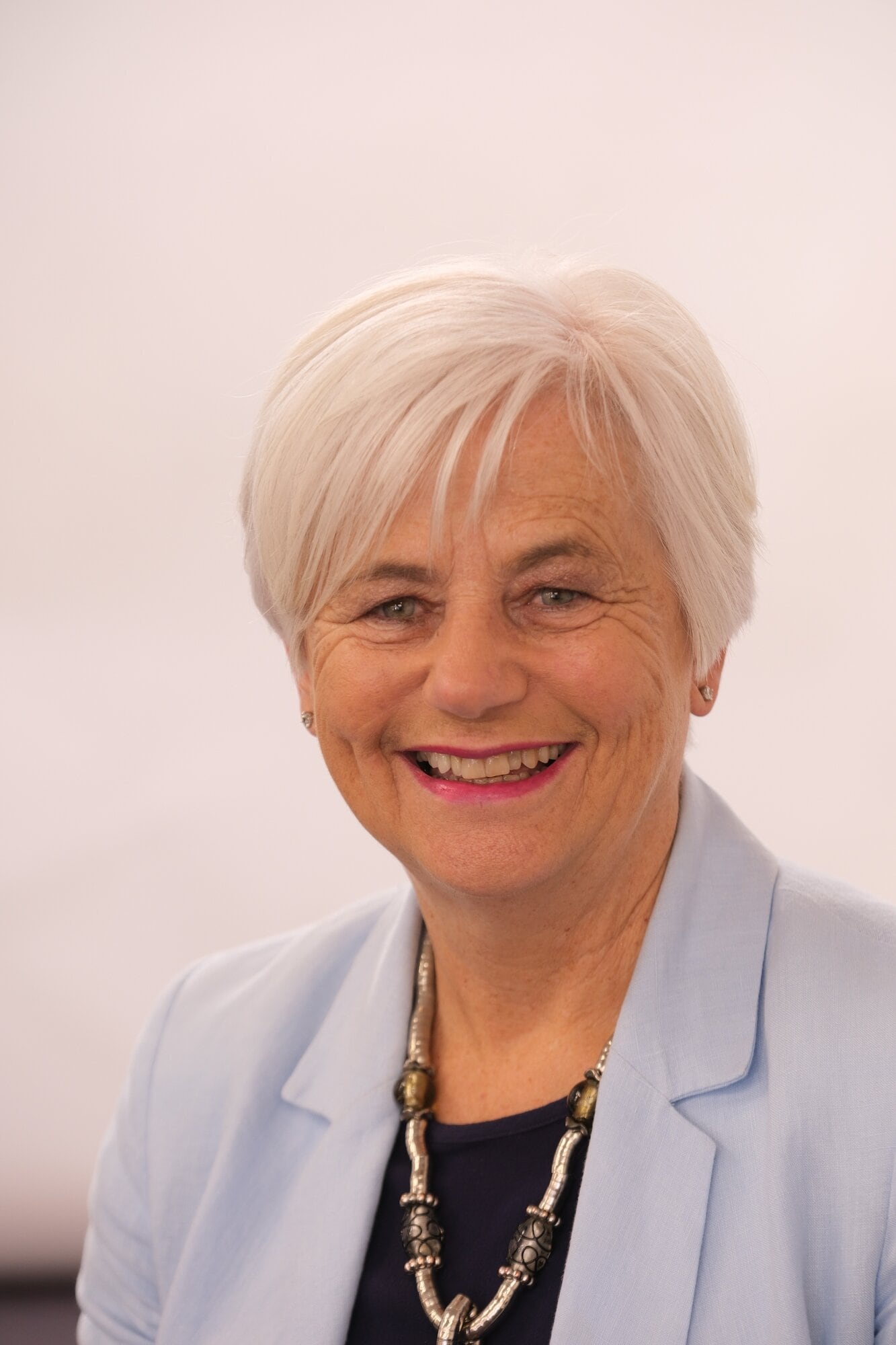
Diabetes NZ CEO Heather Verry. Photo / Supplied
Diabetes NZ CEO Heather Verry said the organisation has taken a firm stance in advocating for CGMs for all insulin-dependent individuals, not just those living with type 1 diabetes.
“The modelling shows that for the 19,362 people in Aotearoa currently using CGM technology for type 1 diabetes, there is a projected gain of 28,811 quality-adjusted life years.
“That’s not just a statistic; it represents real hope. It’s exactly why we will continue to advocate relentlessly for equitable access to this technology for everyone with diabetes in New Zealand.”
-Supplied content

0 comments
Leave a Comment
You must be logged in to make a comment.