


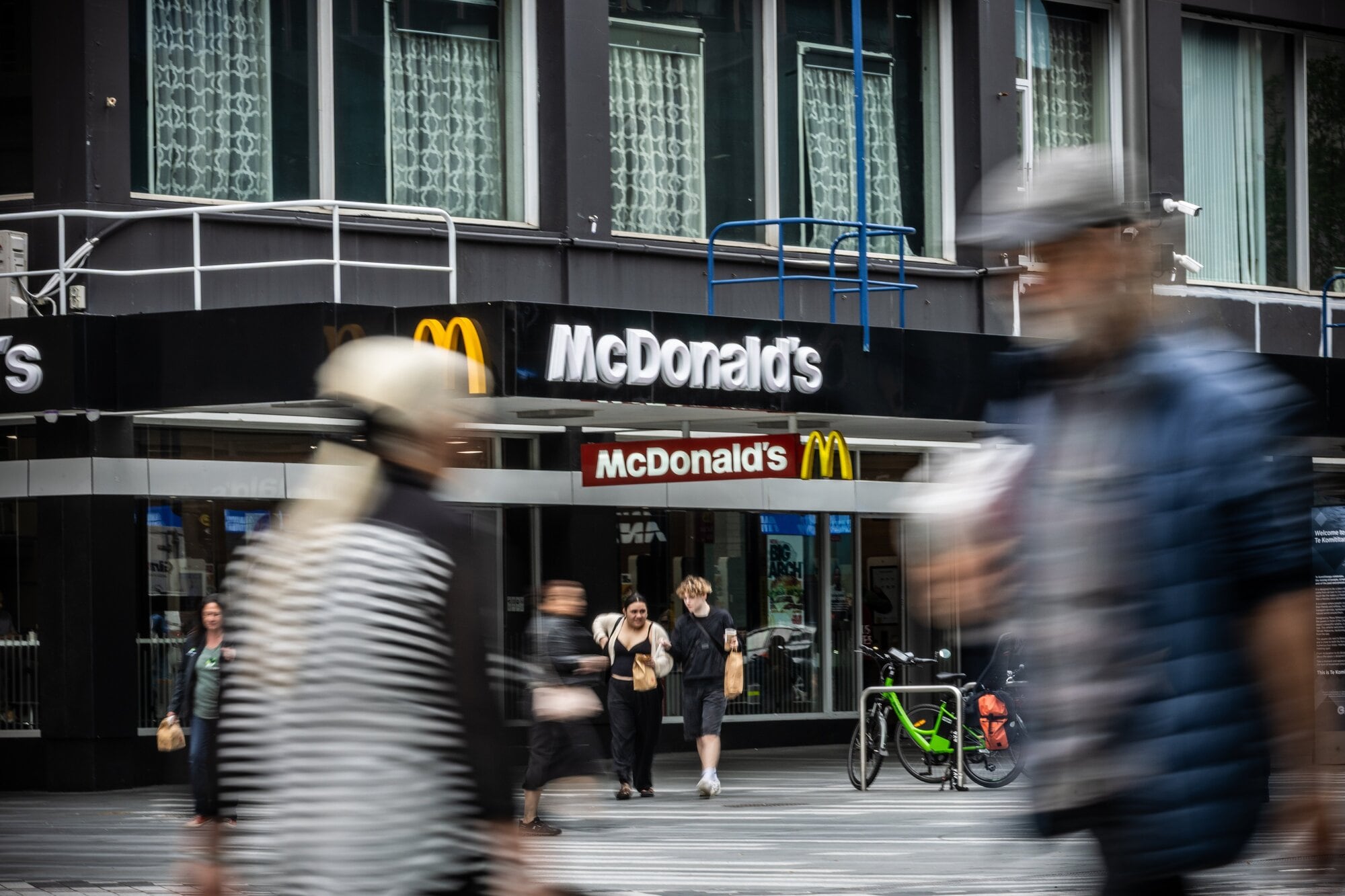
Not even fast-food giant McDonald’s New Zealand is immune to the rising cost of food, especially for key burger ingredient beef.
Around 90% of the fast food chain’s menu in its 170 restaurants across Aotearoa was sourced from local farms, and it spent $235 million on local produce in 2024, up from $218m in 2023 and $214m in 2022.
It exported more than $287m of local ingredients like beef, cheese and buns to its restaurants in export markets.
Aotearoa was now one of the chain’s top six countries supplying beef for its restaurants globally.
Last year, the American-owned subsidiary used 6000 tonnes of locally sourced beef for sale domestically, and it exported nearly 30,000 tonnes of it, making up around 10% of New Zealand’s total beef exports.
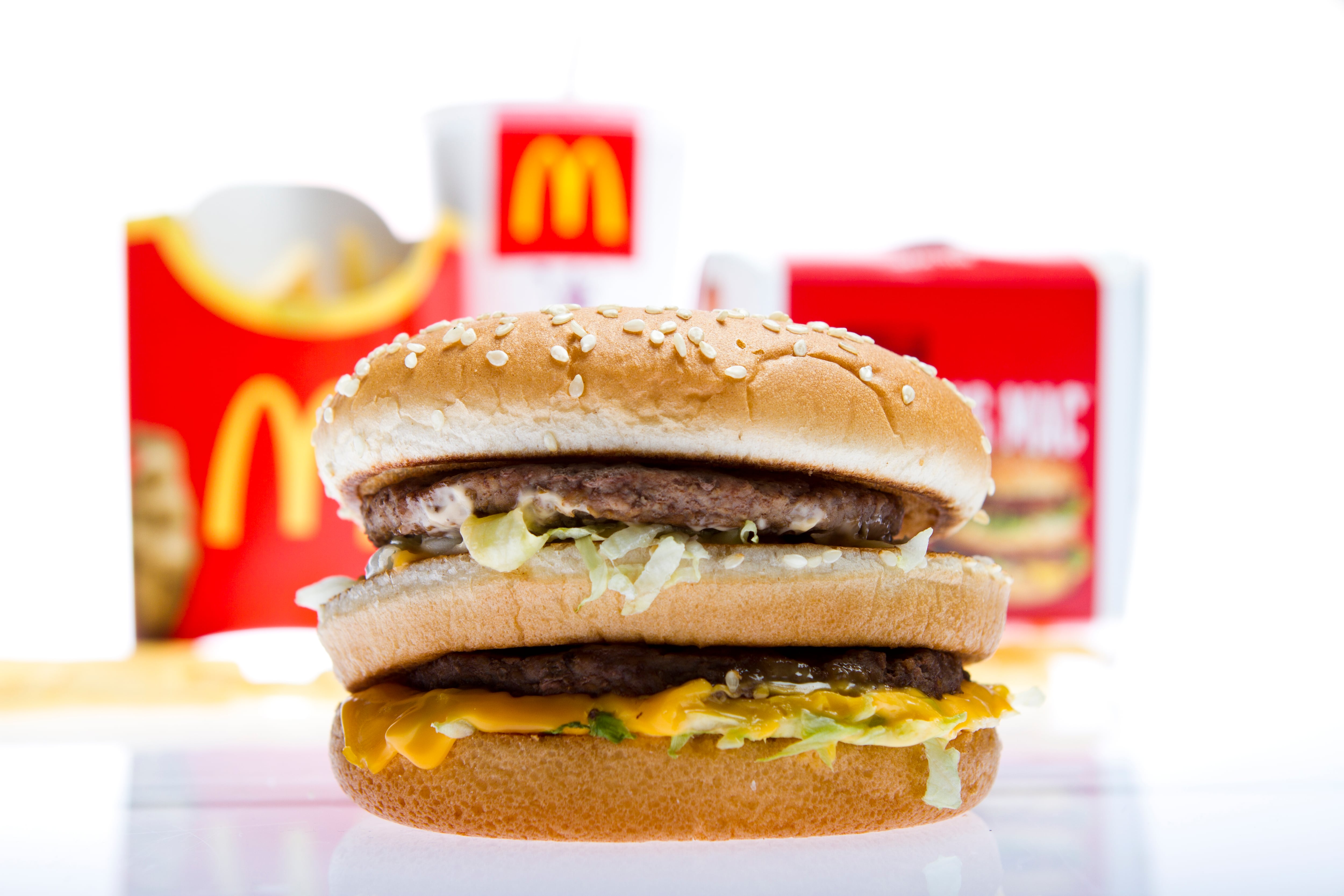
McDonald's aims to reduce scope 3 emissions by 16% by 2030, focusing on sustainable beef farming practices. Photo / Getty Images
McDonald’s New Zealand’s head of impact and communications Simon Kenny said the chain served 70 million people a day worldwide, using 2% of the world’s beef.
He said price swings locally could have a material impact on the operating costs of its restaurants.
“Like everyone’s seen in the supermarkets, beef’s been one of the biggest ones [in cost increase],” he said. “The beef we’re buying right now is over 20% more expensive than it was at the start of the year.”
He said that meant the patty that went into the cheeseburger was 10 cents more expensive than at the start of the year.
“On a product at that kind of cost, it’s a significant input cost that goes up. So yeah, we’re not immune to it.”
Stats NZ data showed food prices increased 4.7% in the year to October, and beef was a hotspot of the economy farmers were capitalising on.
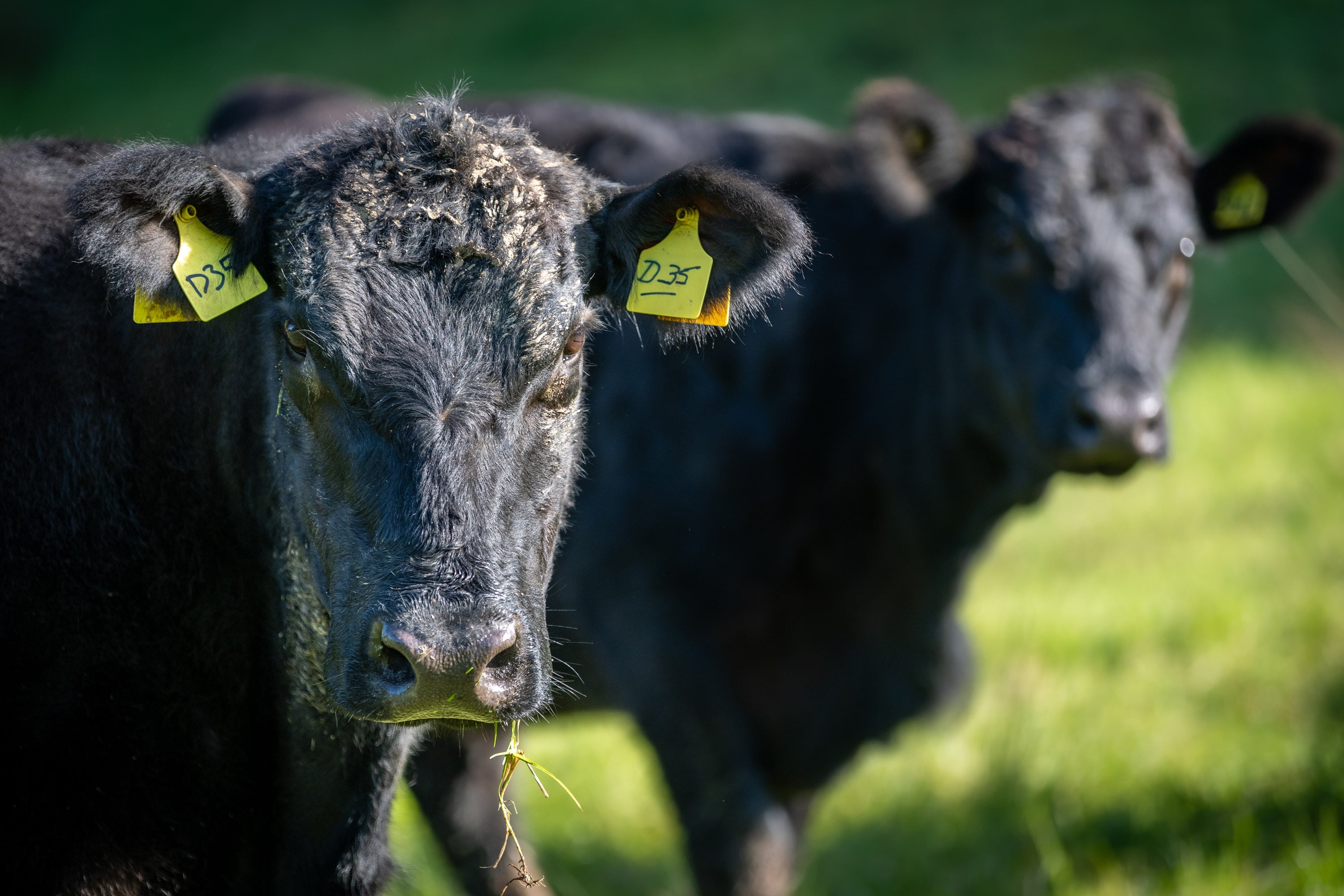
Global demand for beef is hitting the bottom line for McDonald's in New Zealand. Photo / Michael Craig
Further data revealed meat exports reached $10 billion in the year to October last year, driven by sheepmeat and beef export values rising by $625m.
Processor Anzco in Taranaki’s Waitara made around 500,000 patties a day from local meat supplies, he said.
Kenny said beef was a commodity it had to buy on the open market.
“Ironically, because of the global demand for beef from other McDonald’s markets, and what we’ve seen this year with the increase in costs … because of those global dynamics, that does impact us domestically.”
He said price increases were considered very carefully, and he assured that burger sizes had not changed because they had global size specifications to adhere to.
“McDonald’s is known for value,” Kenny said. “There’s a whole load of costs that we have to factor in to the business with our franchisees every year and then go, okay how do you manage margins but also keep giving customers good value?
“There’s a popular myth that the Big Mac got smaller, and we like to joke that probably your hands got bigger than they were when you were 6 years old in the 80s or 90s.”
He said labour costs for its 10,000 New Zealand staff had also increased.
In 2024 the subsidiary’s profits fell by 43% on 2023, to $59,779,000, according to company register documents.
The corporate reported it was “facing challenges” in meeting its ambitious scope 3 emissions reduction targets in the latest purpose and impact report.
The company spent $235 million on local produce in 2024, up from $218m in 2023.
It wanted to reduce its scope 3 forest, land and agricultural emissions in its value chain by 16% off its 2018 baseline of 62,836,186 metric tonnes of carbon dioxide to 52,782,392 megatonnes of carbon dioxide before the end of 2030. It hit 60,245,138 megatonnes in 2024.
It also wanted to maintain no deforestation across its primary deforestation-linked commodities.
But Kenny said New Zealand beef farmers were ahead of many global competitors in this space, especially with traceability – even compared with Australia.
“When you look at scope 3 emissions, by far the biggest single contributor to our global emissions profile is beef farming.”
He said it was about encouraging sustainable agriculture by ensuring best practice was followed on farms, and emissions data and measurement were the first step in doing so.
“Actually, New Zealand’s in a really good place when it comes to how we produce beef – we just we have to measure it better and report back better.
“That then helps us report back to our global team and feed into those kinds of metrics, versus any radical differences and changes to farming systems.”
Kenny said farmers could “tweak” their systems to improve their impact, such as considering regenerative farming principles and other emissions reductions.
“I think in the next five years it’s going to be a lot of those kind of tweaks to farming systems and what we already do really well in New Zealand.”
Nearly 50 years ago, in 1976, McDonald’s opened its first restaurant in New Zealand in Porirua.
– RNZ

1 comment
nz
Posted on 26-11-2025 21:43 | By terminal
if thet bought off NEW ZEALAND instead of that other place it would be cheaper and better
Leave a Comment
You must be logged in to make a comment.