


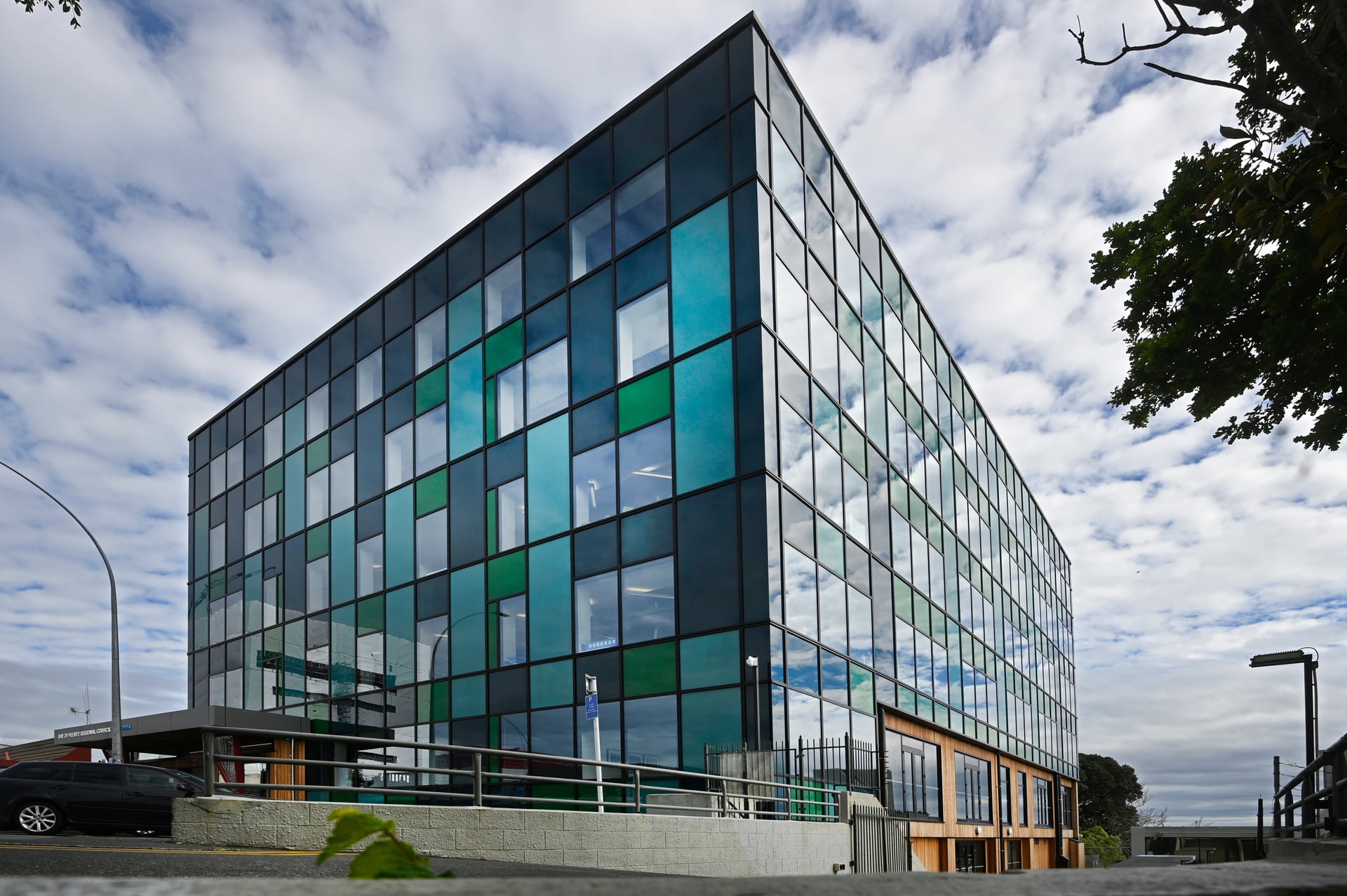
The Government’s sweeping overhaul of local government has been welcomed by the mayors of the Bay of Plenty’s two biggest councils as a long-awaited chance to “fix a broken system”.
But questions remain about environmental work and Māori representation, as well as future discussions about full council amalgamations.
Government reforms announced this week would replace New Zealand’s 11 regional councils with Combined Territories Boards (CTBs), with mayors taking over regional governance duties.
Boards would produce Regional Reorganisation Plans within two years, outlining how their area’s local and regional government should eventually be structured.
Ministers say the overhaul is intended to streamline local government, cut duplication and costs and improve accountability.
Rotorua Mayor Tania Tapsell called the changes a “common-sense shake-up” for local government, saying upcoming Resource Management Act changes had left “the writing on the wall”.
Tapsell said the shake-up could remove layers of bureaucracy and strengthen local voices, particularly in smaller communities, highlighting persistent issues with transport, lakes or assets, such as the degrading Ōhau Wall and delays in civil defence responses.
She acknowledged a difficult relationship between the two councils in the past but that this reform would help address many of these issues.
“I genuinely believe the newly elected regional council were ready to deliver change, had heard the problems and wanted to fix them, and I believe this can help,” Tapsell said.
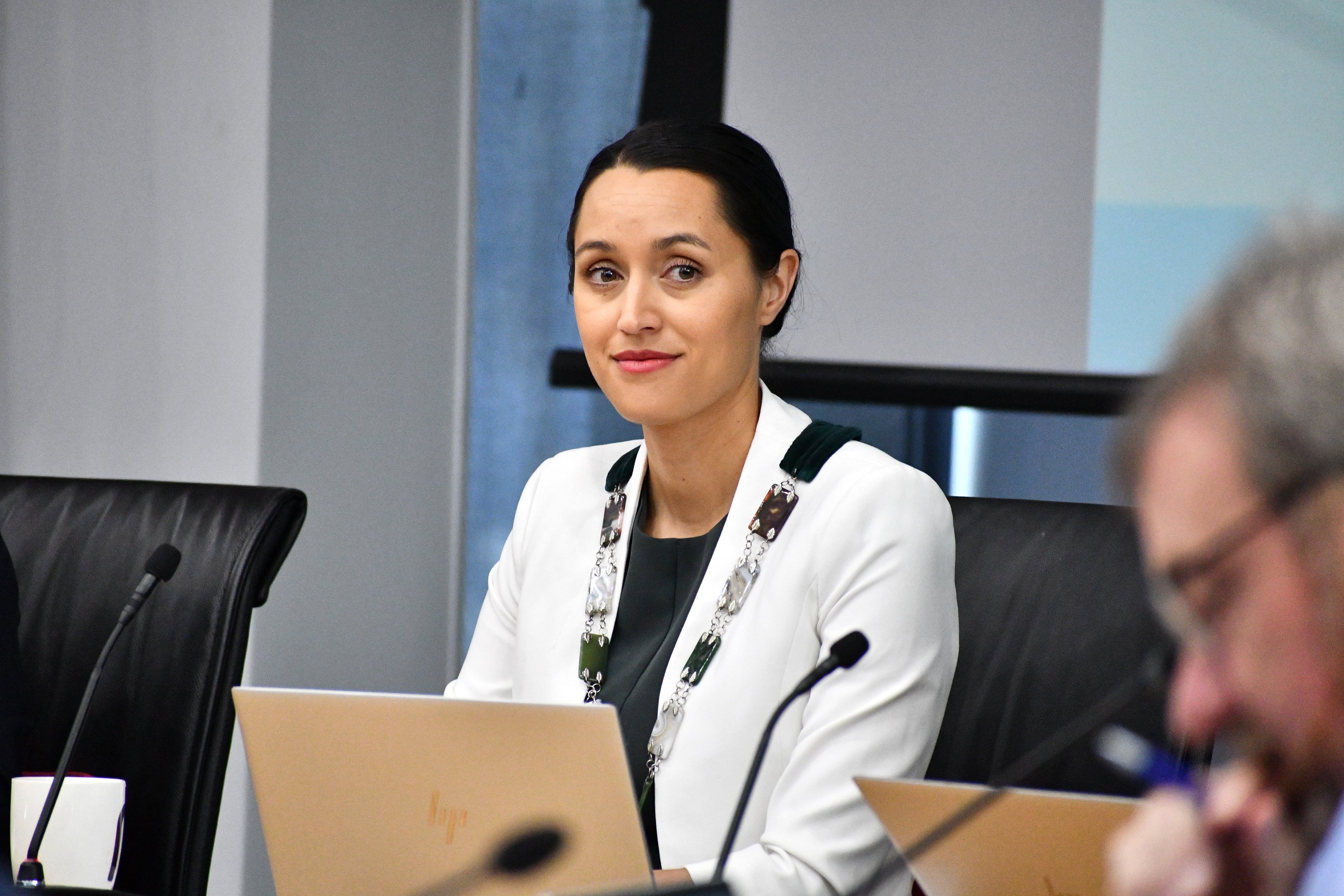
Rotorua mayor Tania Tapsell. Photo / Laura Smith
Regional councils take the lead on environmental issues but Tapsell did not see a new system as a setback in that area, instead believing it would allow decisions to be made in a “more cohesive and streamlined way”.
She hoped the changes would not overly impact regional council staff, saying the biggest risk right now was the uncertainty prompting good employees to move on.
Tauranga City Council Mayor Mahé Drysdale said the reforms present an opportunity to modernise local government – an opportunity he was excited about.
“This is a system designed 36 years ago and I can see a lot of opportunity for improvement.”
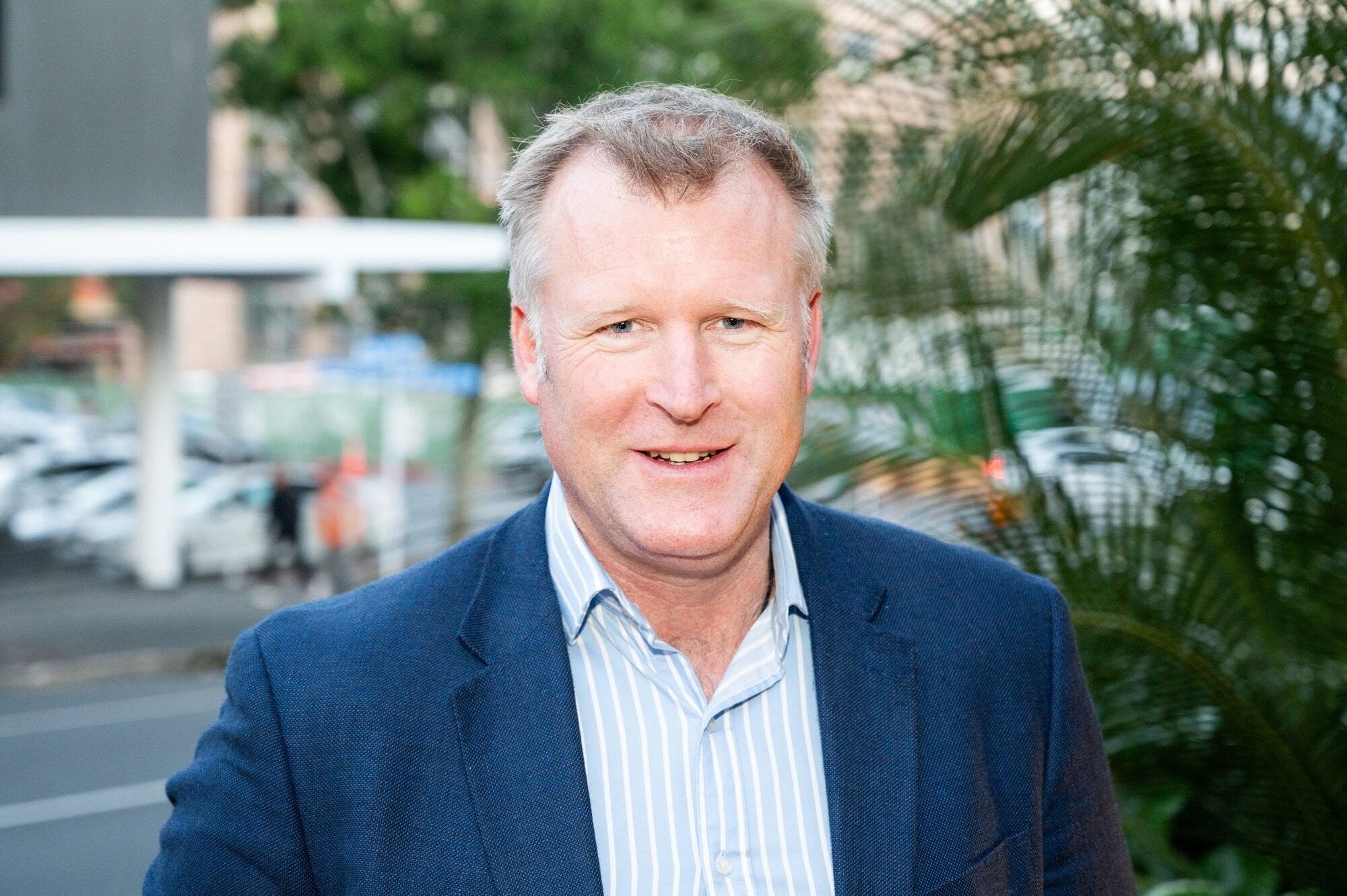
Tauranga Mayor Mahé Drysdale. Photo / Brydie Thompson
Drysdale emphasised that reforms were not about abolishing regional councils entirely but rather reshaping their structure.
“It’s getting rid of regional councillors and putting the emphasis on the mayors to get together and find a way forward.
The functions [the] regional council does today are still going to be there … The opportunity here is to look at this and ask where roles should sit and where it’s most effective to deliver them,” he said.
Drysdale said the process would be challenging, requiring councils to put aside individual interests to focus on what is best for communities.
Both Tapsell and Drysdale said steps would be taken to ensure regional efficiency and local representation remained balanced.
They also agreed it was too soon to say if this indicated an incoming wider amalgamation of the region’s six city or district councils.
“Further down the track it may be something we see, and we are mindful further amalgamation may be on the horizon,” Tapsell said.
Drysdale welcomed the amalgamation conversation, but said it was clear there would not be “one council to rule them all” across the region.
“Let the process decide what actually is best,” he said.
“But local input into decisions is absolutely key.”
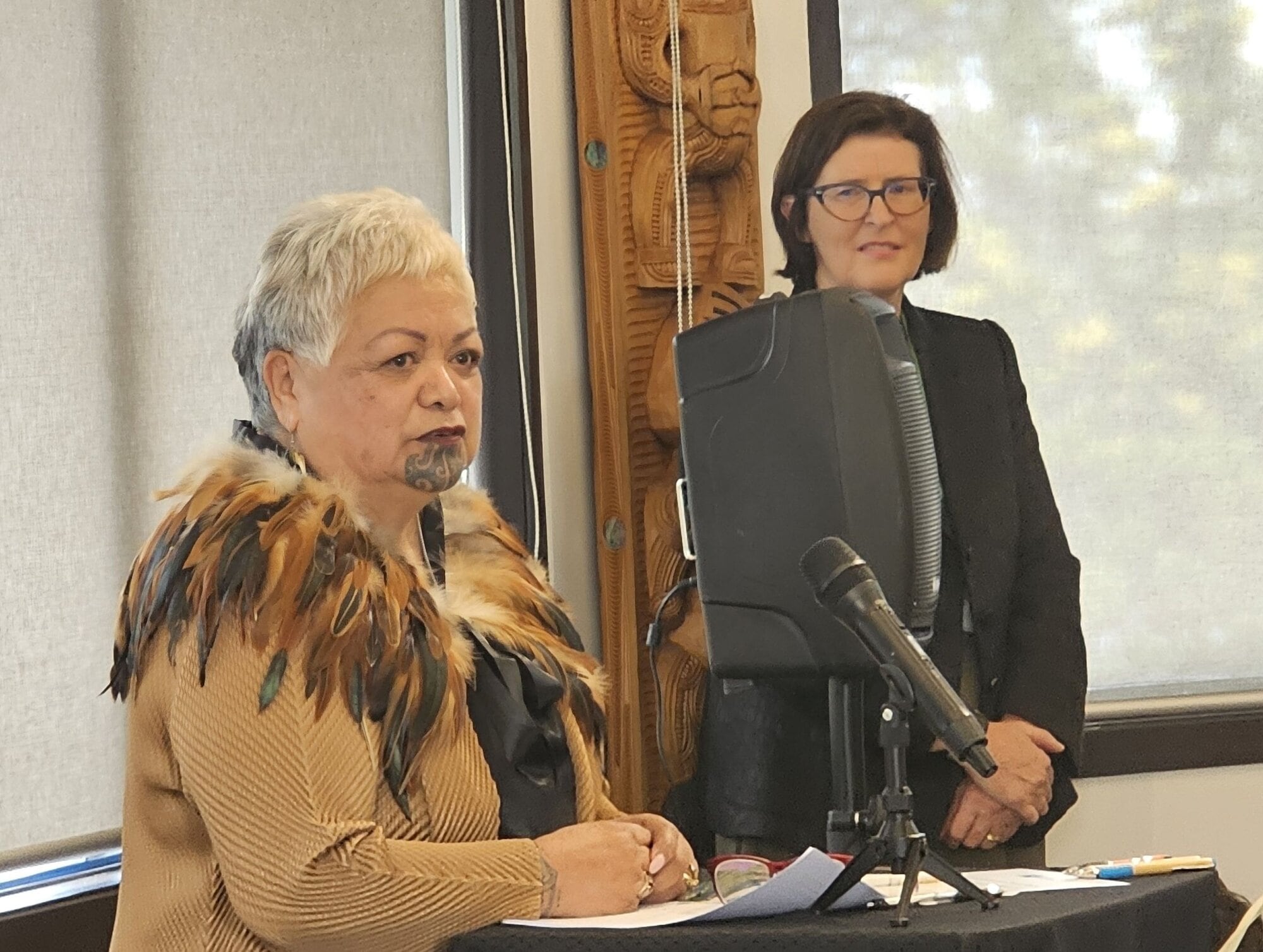
Mauao Māori councillor Matemoana McDonald was voted for by her fellow councillors as Bay of Plenty Regional Council chairwoman.
Bay of Plenty Regional Council chairwoman Matemoana McDonald said it was “reviewing the details” of the proposed reforms and was “open to change” that brings results.
She addressed concerns over environmental expertise and service delivery.
“If these responsibilities are diminished, the impact will be felt by everyone,” McDonald said.
She said discussions would be had with iwi partners to ensure those voices were not lost.
Bay of Plenty and Canterbury are the only regional councils with Māori constituencies, but these will go along with general elected officials.
“Our [Bay of Plenty] Māori constituencies have been in place for more than 20 years and we have several co-governance partnerships in place,” McDonald said.
She said the regional council would “engage constructively and in good faith” throughout the process to find a “fit-for-purpose” model.
Following consultation, the Government aimed to have legislation drafted by the middle of 2026 and passed by the middle of 2027.
Consultation on the proposals closes on February 20 next year.
Mathew Nash is a Local Democracy Reporting journalist based at the Rotorua Daily Post. He has previously written for SunLive, been a regular contributor to RNZ and was a football reporter in the UK for eight years.
LDR is local body journalism co-funded by RNZ and NZ On Air.

6 comments
The Master
Posted on 27-11-2025 20:19 | By Ian Stevenson
If only Council issues were related only to Regional councils, in fact it is far from so.
The operational features of some councils (easy to spot, they are the grossly in debt ones) such as Tauranga, Auckland, Queenstown, Hamilton and so on.
Grandiose plans, someone else's money to pay for it or borrow like there is no tomorrow.
The Master
Posted on 27-11-2025 20:25 | By Ian Stevenson
All councils would hugely benefit from: -
1 Being answerable to ratepayers 24/7
2 100% accountable
3 100% Transparent
4 Realistic and full oversight by an organisation with real teeth
5 Proper reporting standards that are mandatory
6 Clear requirements, duties, obligations that are completely confined to the essentials of a community: - three waters and roading
7 No "nice to haves" unless prior approved and accepted by ratepayers
8 All projects/schemes "MUST" also include a rate impact/debt impact statement
9 All public consultation must be full/real
10 Tendering must occur so as to avoid "pet contractor lists" or Favo contractor negotiations behind closed doors.
11 Councils/staff/EM's must be held to account.
The SFO need to include in their objectives/purpose Councils and the many misgivings/failures etc.
Trouble is
Posted on 28-11-2025 07:36 | By Kancho
After several recent well discussed issues and direction with TCC and Mayor who would have any faith of giving more area and responsibilities to them? . The council probably will then end up with more staff and more extravagances like the near billion dollar office and parking leases for fifteen years and then what ?
So adding more functions to a council that struggles with its credibility on decisions . The only hope is that government local body reorganisation will restructure properly as this council seems to not understand
Council Governance
Posted on 28-11-2025 13:17 | By Noel Silver
Well, I am unconvinced. They are already saying that most of Regional Councils will remain function wise. We all remember every reorganization that has occurred has resulted in minimal staff reduction. The reorganization is always carried out by Mayor and Ceo so it is always "window dressing".
Remember a Turkey never ever votes for an early Christmas. The people who do the reorganization should NOT be part of Councils, and start with a list of people to do the actual work on Water Sewage,Roads etc, then add the occasional "Boss". Everyone else to be told , find a new job, and do not come Monday.
Apologies correction
Posted on 28-11-2025 15:23 | By Kancho
The TCC office and parking for fifteen years a for a mere nine hundred and forty plus thousand dollars a near one billion
@Ian Stevenson
Posted on 03-12-2025 14:09 | By morepork
Your posts are usually sensible and these two are no exception. I particularly liked the second one containing the list and I would endorse it 100%.
The sad thing is that for over 20 years now, across successive councils, I have been advocating for one or more of the points in this list, in various posts I have made. Nobody wants to know.
They don't care about transparency, or even honesty, and they certainly don't care about accountability, because they know there isn't any.
The fundamental motivation seems to be "snouts in the trough" and there is no sign of integrity or even a smidgin of compassion for the community. If I sound bitter, it's because I am.
I love this city, the people and the place. I would have thought we deserved better governance, but apparently we don't.
Until we get better motivated councillors we are shafted.
Leave a Comment
You must be logged in to make a comment.