


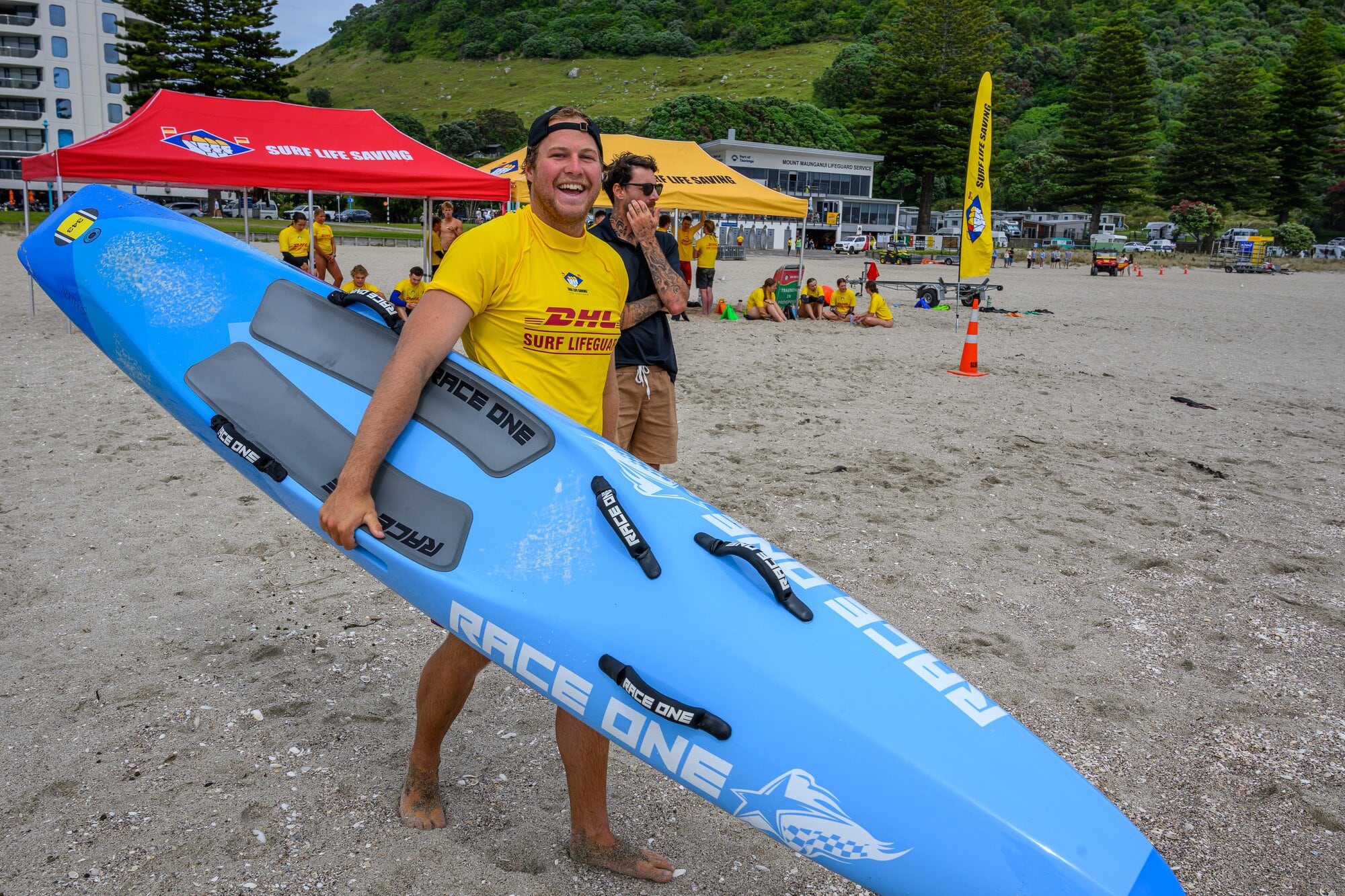
Surf lifeguards from Hot Water Beach through to Tairāwhiti Gisborne have been put through their paces this week at Mount Maunganui Main Beach as part of a two-day induction as the season gets under way.
“Our lifeguards have completed refresher days to ensure everyone is certified and ready to go. We’re employing 140 seasonal staff to help keep the beaches safe this season,” Surf Lifesaving New Zealand eastern region manager Chaz Gibbons-Campbell said.
“It’s been a great couple of days. To have all our seasonal staff across the region in one room provides unity amongst the teams and sets standards for all our beaches.”
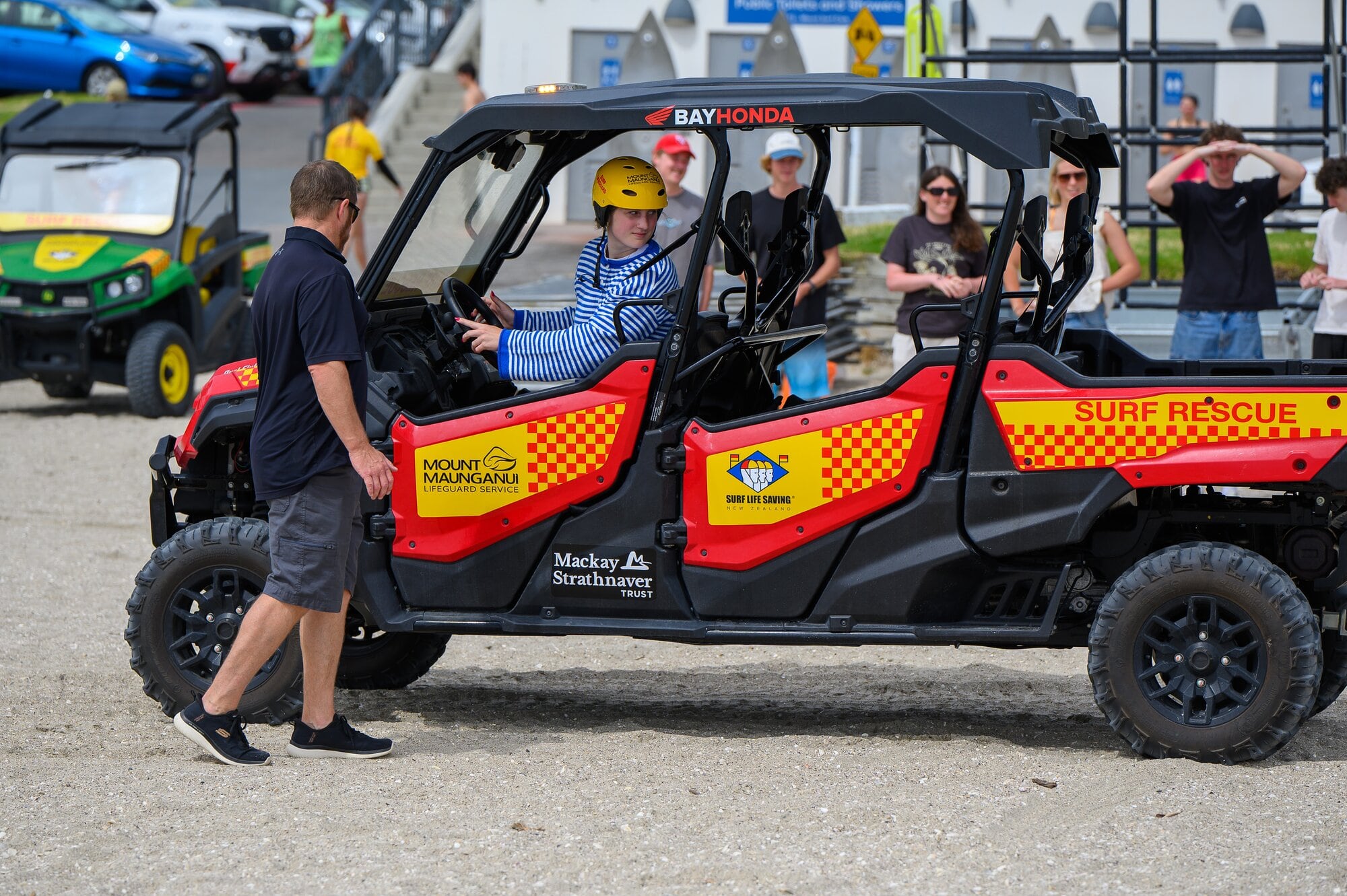
Isla Petherbridge behind the wheel of the Mount Maunganui Lifeguard Service’s ATV during the two-day training at Mount Maunganui Main Beach. Photo / David Hall
He noted that while last summer saw calmer conditions, this year could be different.
“We’re expecting more swell and stronger winds as weather patterns shift. People need to respect the ocean and know their limits. If in doubt, stay out.”
Training on Tuesday and Wednesday at Mount Maunganui Lifeguard Service included CPR, first aid, completing water and board rescues and driving all-terrain vehicles (ATVs).
The difference lifeguards make, giving up their personal time to volunteer with Surf Life Saving NZ to keep Kiwis safe on the beaches, is massive.
74 clubs, 19,500 members
Surf Life Saving NZ has 19,500 members across 74 clubs throughout the country, from Invercargill to the Far North. Each year more than 800 surf lifeguards are qualified. There’s a dedicated team of volunteers, from instructors and examiners to club administrators, who help surf lifeguards in their development.
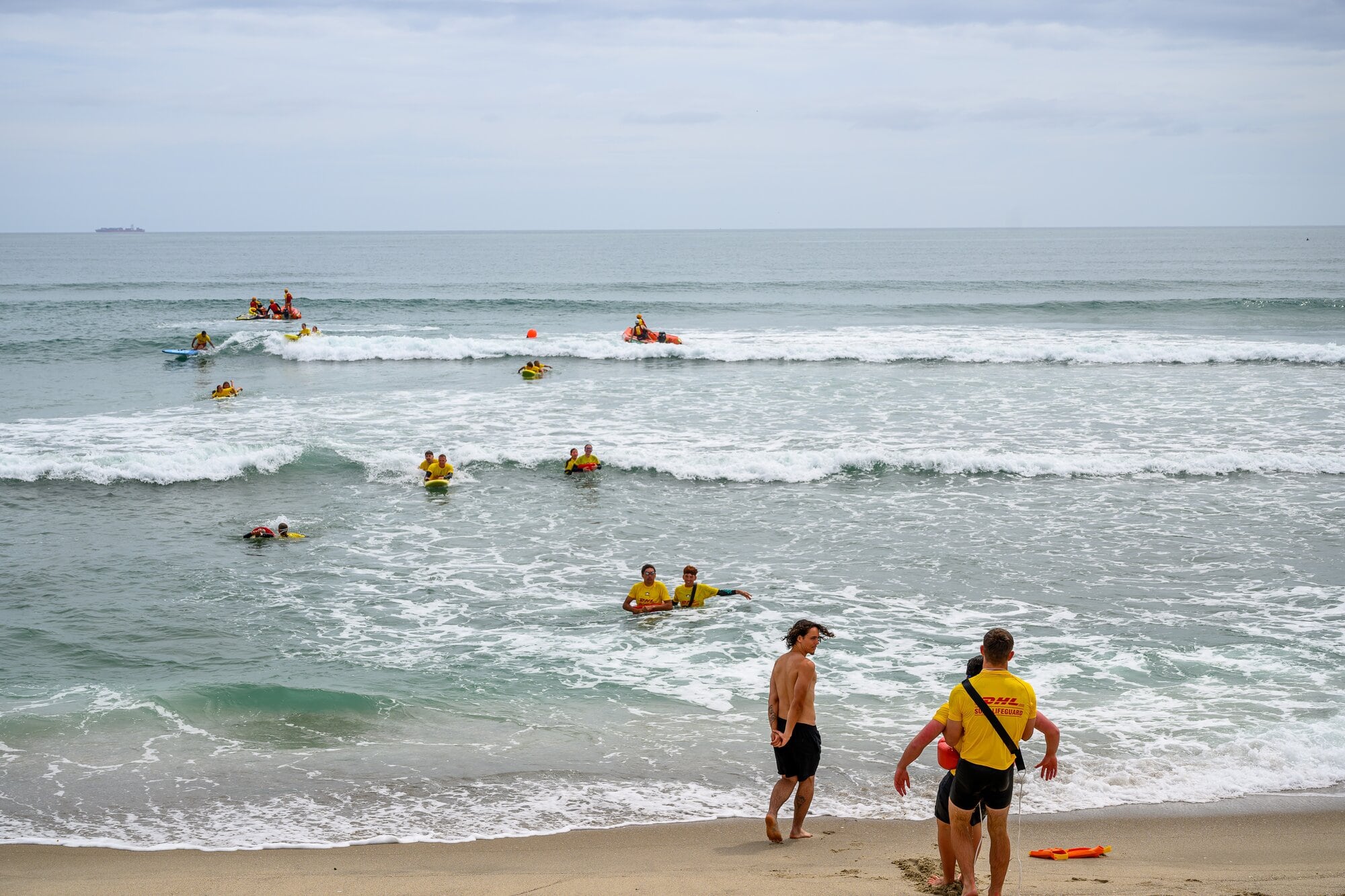
Surf lifeguards doing water rescue training at Mount Maunganui Main Beach this week. Photo / David Hall.
After obtaining a Surf Lifeguard Award, lifeguards can advance through the surf lifeguard programme in whichever direction they choose – first aid, inflatable rescue boats (IRBs), patrol captain, rescue water crafts (RWCs), or eventually becoming an instructor and examiner. They can also participate in the life saving sport programme to put their skills to the test against others – be it beach sprints, swimming, surf skis, paddle boards, surf boats or IRBs.
With surf lifeguards at Waihī Beach, Mount Maunganui, Ōmanu, Tay St, Pāpāmoa, Maketū and Pukehina beaches this summer, beachgoers are being urged to follow some simple but potentially life-saving safety advice.
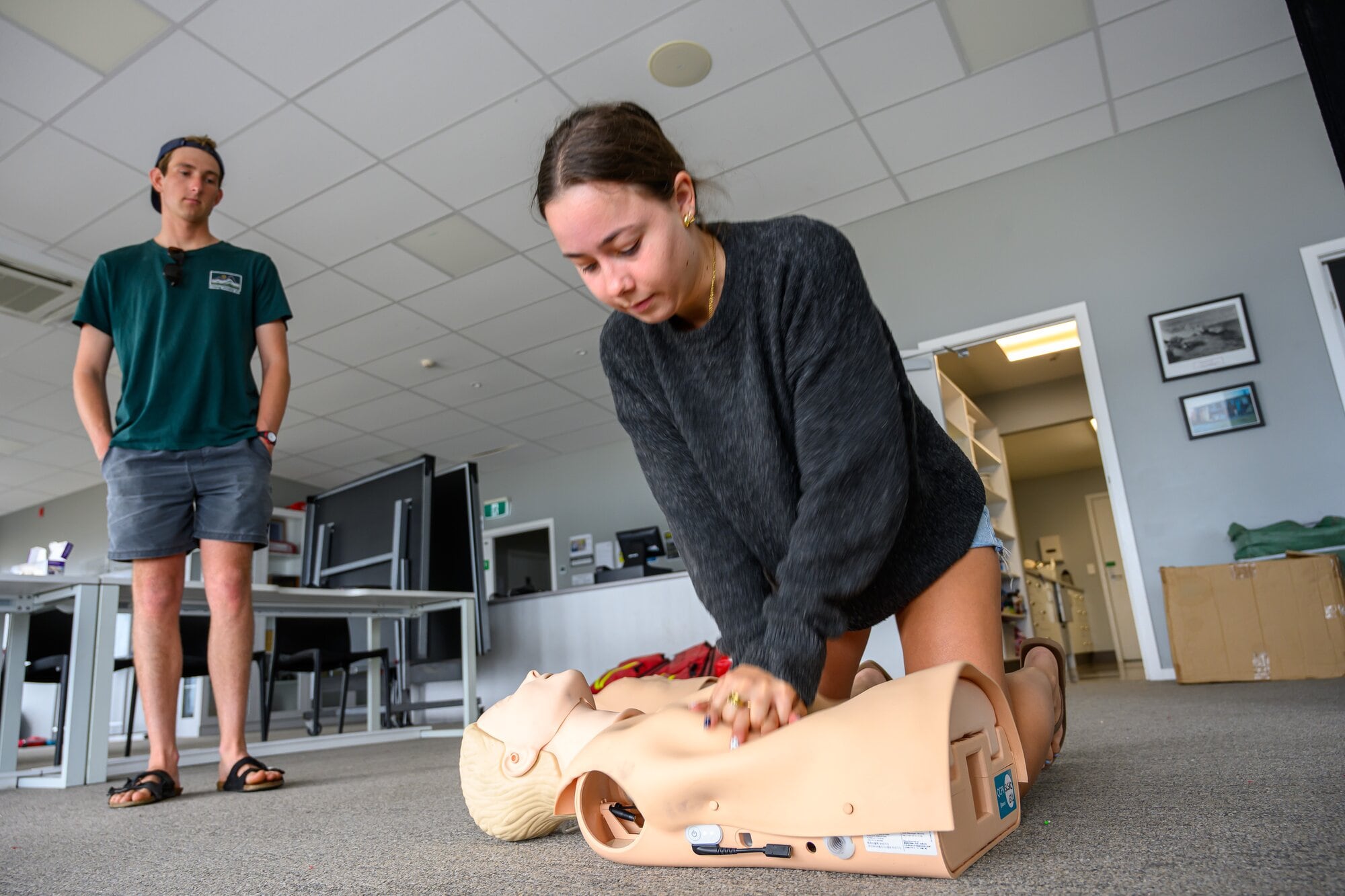
Rose Swain doing CPR training at Mount Maunganui Lifeguard Service. Photo / David Hall
Know how to float
Eastern Region lifesaving manager Chaz Gibbons-Campbell said key messages were knowing how to float, finding the safest place to swim, knowing how to get help, taking care of others, and finally, if in doubt, stay out of the water.
“The biggest message we’re pushing this year is knowing how to float,” he said. “If you get into trouble, floating allows you to calm yourself, keep your airway clear, and then signal for help.”
Gibbons-Campbell also encouraged swimmers to head to lifeguarded beaches and use the SafeSwim website at: safeswim.org.nz to find the safest spots and check for potential hazards.
“The SafeSwim system now uses real-time data and weather forecasting to assess risk,” he said. “Even when lifeguards aren’t on patrol, people can check the site for updated conditions.”

0 comments
Leave a Comment
You must be logged in to make a comment.