


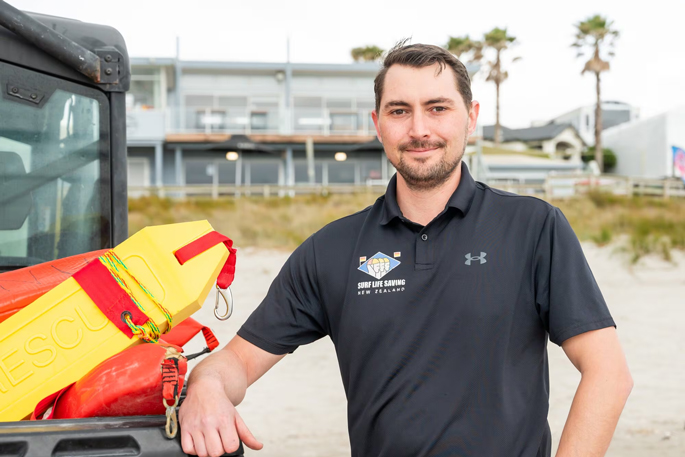
Surf lifeguards say they’re having to perform fewer rescues thanks to a focus on preventive lifeguarding.
And as summer’s hot weather drives hordes to the beaches, they’re warning people about the dangers of rips and issuing water safety tips.
Eastern region lifesaving manager Chaz Gibbons Campbell said the first thing to remember when heading to the beach was to check www.safeswim.org.nz to find a lifeguarded beach.
He said you should always swim between the red and yellow flags, which showed the safest place to swim.
“Swimming between the flags means you’re under the active supervision of surf lifeguards, and they can respond quickly if you get into any difficulty.
“The safest beach in New Zealand is a beach that’s patrolled by surf lifeguards.”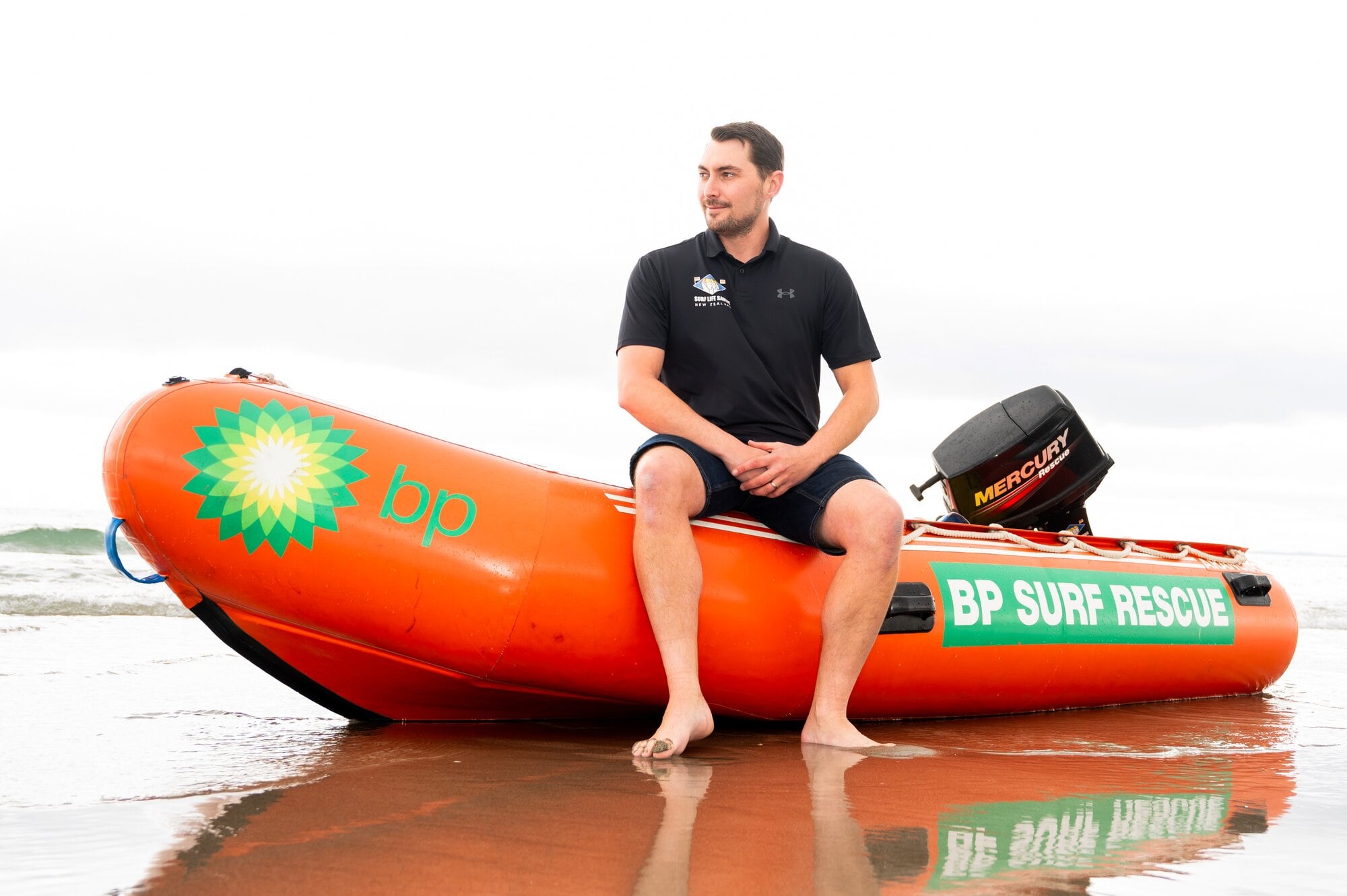
Chaz Gibbons Campbell says one of the best ways to keep yourself safe in the water is to know how to float. Photo / Brydie Thompson
He said one of the best ways to keep yourself safe in the water was to know how to float.
“If you don’t know how to float, don’t go in the water. Just being able to float when you are in the water can increase your chance of survival.
“If you’re in the water and in trouble ... signal for help by raising your hand.”
He said floating allowed you to calm yourself and keep your airways out of the water, and was the first thing to do if you were caught in a rip.
“Waves can be bigger than they look, dangerous rip currents are hard to spot, and weather conditions can be unpredictable.”
Gibbons Campbell said if you felt uncomfortable about getting into the water, stay out. “It’s better to be safe than sorry.
“Too many people get into trouble in the water because they overestimate their abilities and underestimate the conditions.”
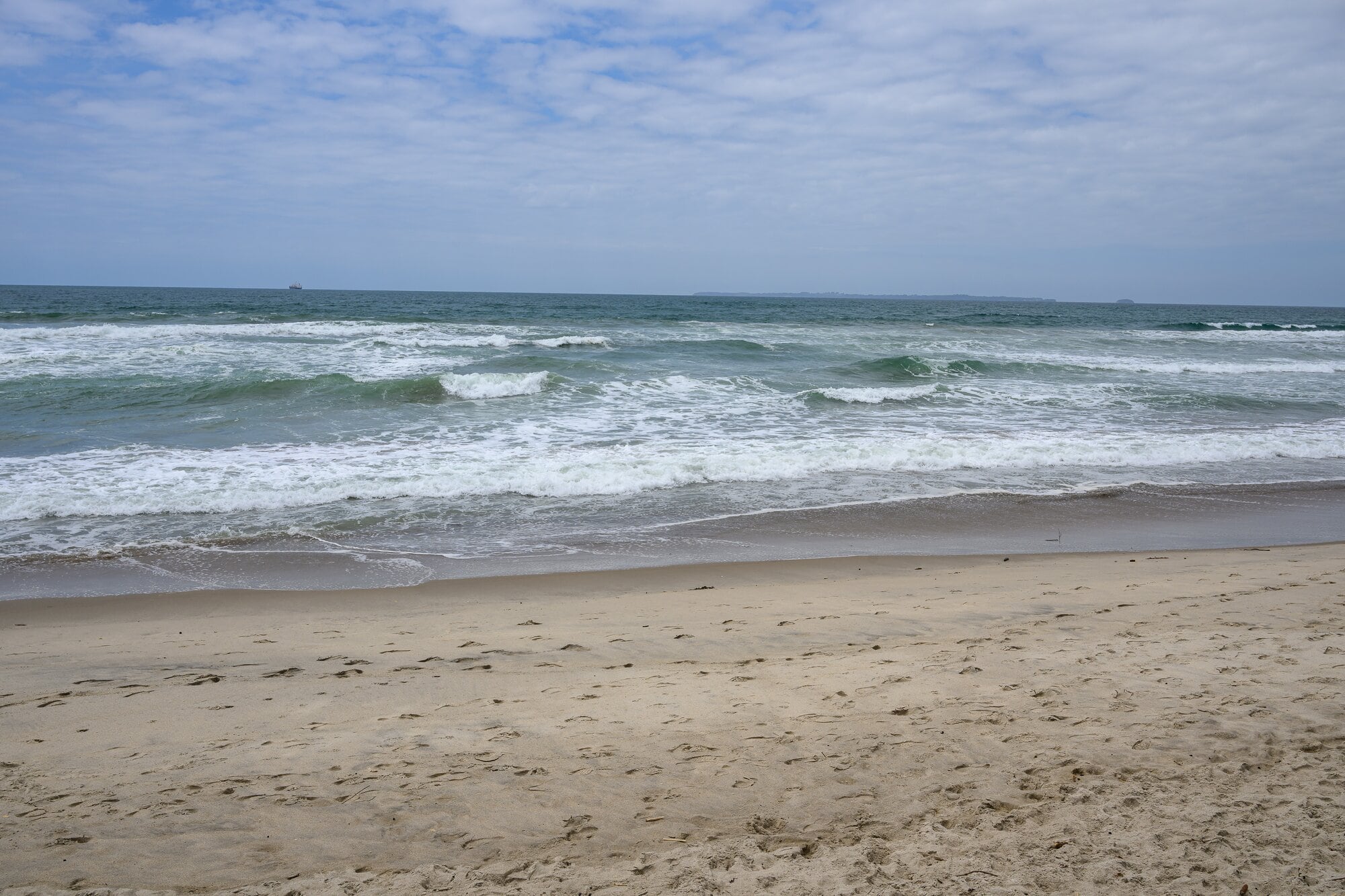
The beach near Coast Boulevard has a powerful rip. Photo / David Hall
Over the last patrolling season between Labour Weekend 2024 and April 28 2025, Kiwi lifeguards focused on preventive actions, he said.
The lifeguards conducted 577 rescues nationally over the summer patrol season. That was 33.9% fewer than the 873 rescues in the 2023-2024 season, and down 60.8% on the 2022-2023 season, which had 1472 rescues.
Gibbons Campbell said the focus on preventive lifeguarding meant lifeguards completed 47,487 preventive actions involving nearly 1 million people, “nearly double the number of people assisted last season”.
“A preventative action is when a surf lifeguard identifies a potentially dangerous situation and takes precautionary action to prevent the situation from developing into, or contributing to, a real emergency.”
Examples of this included shifting the flagged area during the day when surf conditions had changed, or preventing swimmers from entering a rip or hole.
“Those trends followed through to the Bay of Plenty, where surf lifeguards performed 132 rescues last season, down from 232 the year before.
“Meanwhile, 18,711 preventative actions were conducted, up from 7656 preventative actions in the 2023-24 patrol season.”
Gibbons Campbell said it was incredibly positive to see the number of rescues start to trend down. “A testament to our focus on proactive and educational work.”
He said one incident that stuck out to him from the last season was in Maketu in January.
“An 11-year-old junior surf member from Maketu Surf Lifesaving Club noticed a 9-year-old swimmer in difficulty in the Maketu Estuary and alerted on-duty surf lifeguards.
“A rookie who was in training in the water nearby went to the patient and kept him calm until an Inflatable Rescue Boat arrived to complete the rescue.”
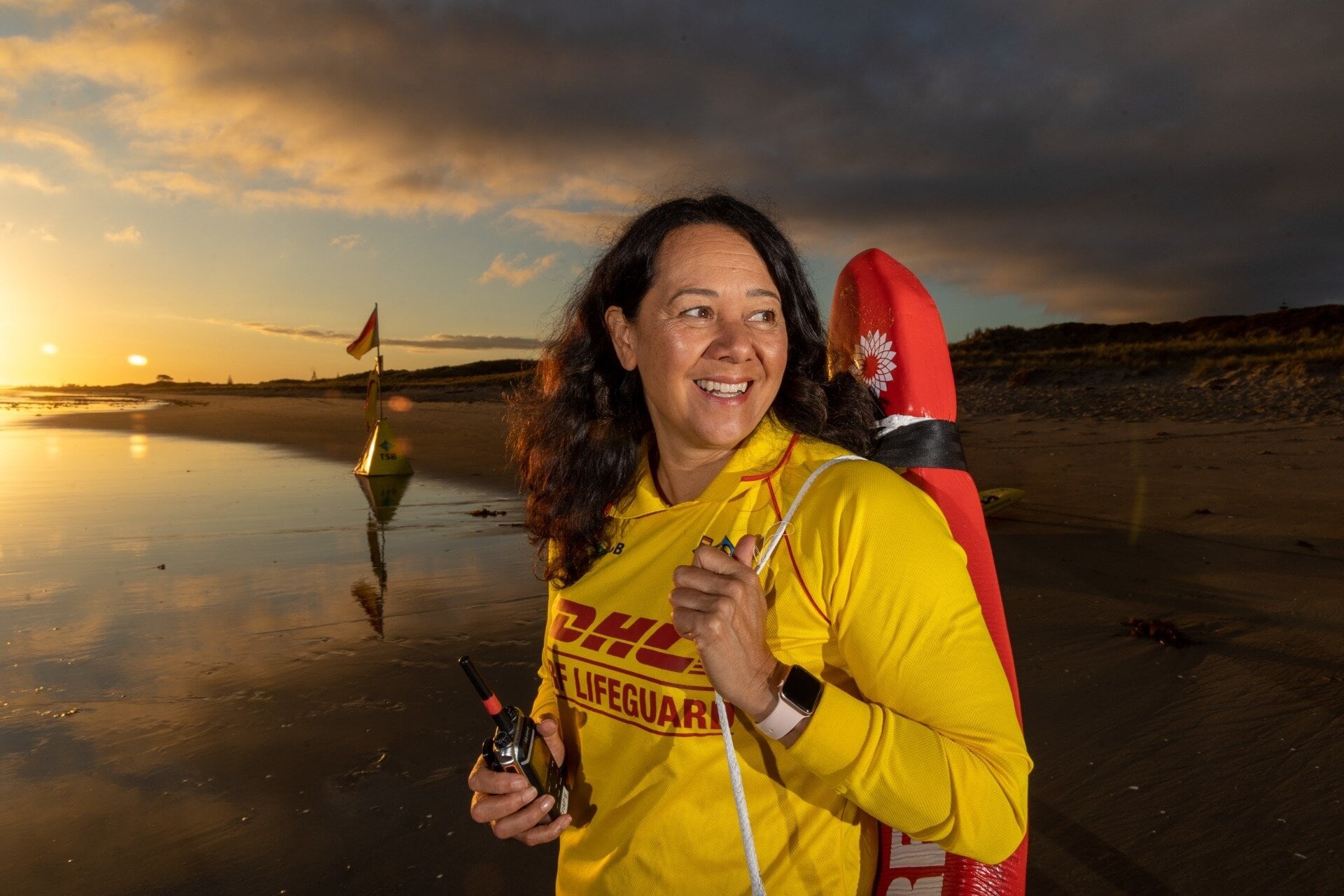
Pāpāmoa Surf Life Saving Club's Marama Mateparae says last season there were several incidents with adults supervising too many children or not paying attention to their child.
Pāpāmoa Surf Life Saving Club lifeguarding committee chairwoman Marama Mateparae said last season was busy for the Pāpāmoa club, with almost 4000 hours completed by their team on patrols.
Mateparare said there were several incidents with adults supervising too many children or not paying attention to their child.
“Our lifeguards responded to several incidents when there was only one adult with a large group of children, or when the adult was distracted – it’s important to remember to keep children close, even when swimming between the flags, and to ensure they don’t swim out of their ability.”
Mateparae said staying safe in the water was all about being aware and prepared.
She said if you got caught in a rip, remember the three Rs:
- Relax and float to conserve energy.
- Raise your hand to signal for help.
- Ride the rip until it stops before swimming back to shore.
While at the beach, it was also important to remember safety outside of the water, such as applying sunscreen, wearing a sunhat and sunglasses and staying hydrated.
Her final tips were to keep an eye on your children and to know your limits. “If you’re feeling tired or unwell, take a break.”
The danger of rip currents
A patch of calm water in between choppy waves may look like an inviting spot to swim, but it’s probably the most dangerous thing you’ll encounter at the beach: a rip.
Anyone who struggles against a rip and tries to swim back to shore will quickly become exhausted, and the fatigue will increase the risk of drowning.
The rip won’t drag you under the water, but it will carry you for some time. The biggest danger of a rip to swimmers is exhaustion and taking on water.
If you float on your back you will conserve energy and have a greater chance of being able to swim back to shore.
How are rips formed?
Rips are caused by complex interactions between the sea (tides, waves, currents) and the shape of the shore bed. As waves travel from deep to shallow water, they eventually break near the shoreline. As waves break, they generate currents that flow both offshore (away from the coast) and alongshore (along the coast). The larger the surf, the stronger the rip current.
Why are rips dangerous?
- They can quickly pull swimmers away from shore.
- Panic and fatigue often lead to drowning.
- They’re hard to spot if you don’t know what to look for.
How to identify a rip
- Calm patches in the surf with waves breaking on each side. The calm gap may look safe to swim in, but a small patch of calm water in the surf or waves is often a rip current.
- A ripple pattern on the sand or small holes beneath your feet in the water.
- Discoloured or foamy water. Regions of deeper, darker water with less wave-breaking activity between areas of white water; think of them as rivers of the sea. The discolouration is created by the current picking up sand in the water as it moves out to sea.
- Rocky headlands and rocky groynes. Rip currents are also common in areas with piers, jetties and anything else that sticks out from the beach that could catch a longshore current and cause it to start flowing away from shore.
How to avoid them
- Swim between the flags – lifeguards avoid placing the flags near rips.
- Learn to identify rip currents before entering the water.
- If caught in a rip: stay calm, float, and signal for help – don’t try to swim directly back to shore against the current.
If you do get caught in a rip
- RELAX and float to conserve your energy. Stay calm, relax and float. The rip current will not pull you under the water and is just taking you for a ride offshore. Try to fight the urge to swim back to shore against the current; this will use up energy that you need to stay afloat before help arrives. Most people can float for a lot longer than they can swim!
- RAISE your hand to signal for help. Signal for help by putting your hand up to attract attention from lifeguards, surfers or someone on the beach who can get help.
- RIDE the rip until it stops and you can swim back to shore or help arrives. Remain floating until the current weakens. Many rips will circulate and bring you back into shallower waters closer to the shore, where you may be able to stand. When the current has subsided, and only if you are sure you can swim to the nearest point on the shore, should you attempt to swim to safety.
If you’re unsure about conditions, ask the nearest lifeguard. Otherwise, stay out. Source – Surf Lifesaving NZ
Ayla Yeoman is a journalist based in Tauranga. She holds a Bachelor of Arts degree majoring in Communications and Politics & International Relations from the University of Auckland, and has been a journalist since 2022.

0 comments
Leave a Comment
You must be logged in to make a comment.