


Pests are providing issues for farmers on both sides of Lake Taupō.
Disease eradication agency Ospri has been working to control and eradicate bovine tuberculosis (TB) in East Taupō, while a wild pig problem on the other side of the lake may need private hunters to be brought in.
Ospri, which manages the national TB-free programme, said one herd in the area remained infected and two were being investigated.
Ospri last year deployed 11,916 possum control devices in the East Taupō sector, a total of 32,144 since 2023, and 141 pigs’ heads have been handed in for testing for TB.
A total of 75,661 hectares has been covered by ground control work since 2023.
Possums were the main wildlife carriers of bovine TB in New Zealand, and contact with infected possums was the main cause of herd infection.
Ospri North Island service delivery general manager Helen Thoday said the plan for more ground control work would continue until June, when the programme for the region was due to be reviewed.
The first infected herd in the East Taupō TB management area was discovered in late 2023.
Thoday said the number of infected herds reached a peak of five in December 2024 and dropped to three in March 2025.
Since the beginning of February last year there have been 99,641 animals tested, both farmed cattle and deer.
Protecting herds
If the disease was detected, a herd would stay classified as infected until the whole herd has had two clear TB tests, at least six months apart.
The movement control area set up in East Taupō aimed to protect herds and minimise the risk of disease spread.
Working within a movement control area meant all livestock over three months of age must have a TB test within 60 days of being moved off a farm.
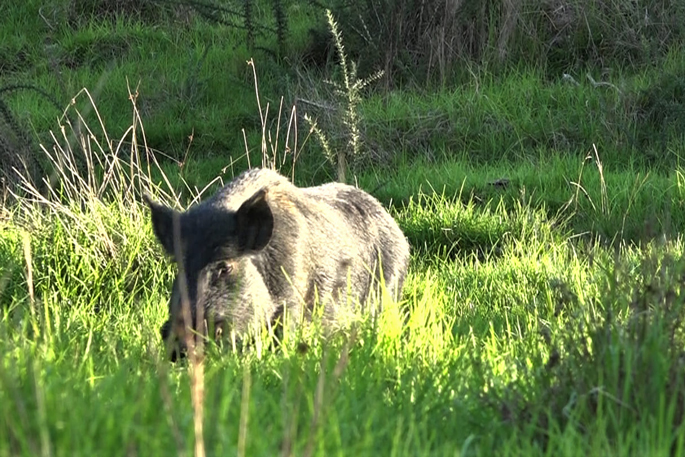
On the western side of Lake Taupō, feral pigs were a problem, as reported in Coast & Country News in November 2025.
Rotorua-Taupō Federated Farmers’ meat and wool chair Ruby Mulinder told of large mobs of pigs regularly seen on the 142ha property she owns with husband Sean Nixon.
She said the pigs turn over soil, killing pastures and leaving exposed soil vulnerable to run-off and nutrient leaching.
The pigs were coming primarily from forestry blocks and Department of Conservation (DoC) land in the area, Mulinder said.
Running breeding ewes, she was also concerned the pigs can prey on lambs.
Landowners can manage pigs by contracting professional hunters or allowing access to recreational hunters through local clubs.
Taupō Deerstalkers Association president Alan Bullick said no requests had been received in the area.
Pig hunting would be undertaken using high-powered rifles, as using dogs may shift the problem rather than solve it.
Bullick said that “if there is no hunting pressure”, wild pigs can come out of forestry blocks on to farmland at all hours.
Regional reports
The Department of Conservation (DoC) was not aware of specific reports from Taupō, but landowners in parts of Waikato had raised concerns about wild pigs damaging paddocks and pasture.
“We do not have a formal wild pig control programme in the Waikato,” DoC wild animals manager Mike Perry said.
“We know people want action locally, but wild pigs are highly mobile and challenging to control, so we focus efforts where they will have the greatest impact.
“In Waikato, we have supported some landowners north of Hamilton with pig trapping to protect kauri, as pigs are a suspected disease vector of Phytophthora agathidicida [PA], a soil-borne pathogen that infects kauri trees.
“Fixed traps can remove entire sounders [mobs] in one set, offering an effective management solution.”
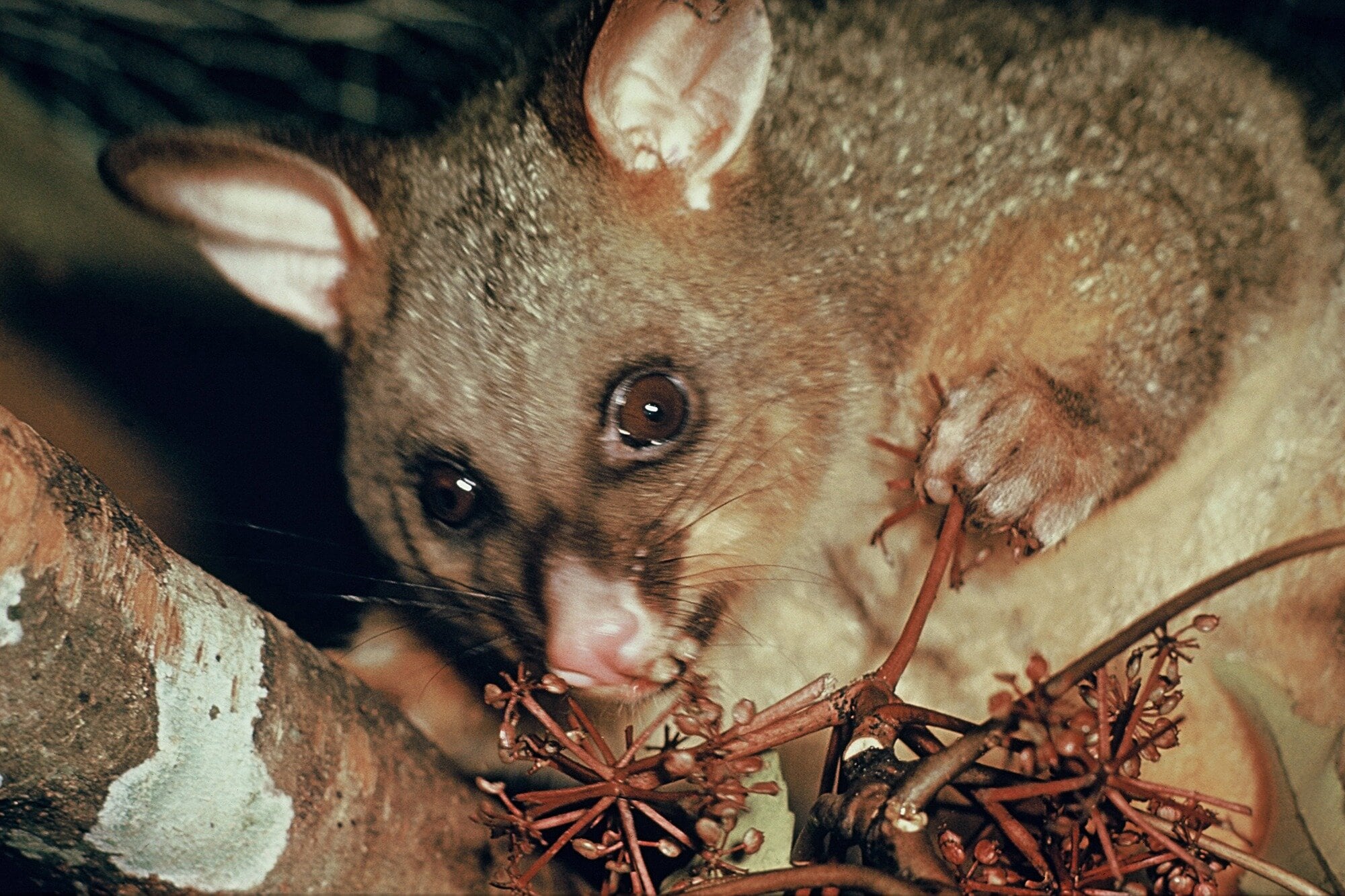
Possums are the target of Ospri's bovine tuberculosis programme in East Taupō. Photo / DoC
To strengthen pest control across the country, DoC has established a national coordination group which includes Federated Farmers and other key stakeholders.
Perry said this group worked to align wild animal management efforts across land tenures, recognising that shared responsibility delivers the greatest benefits for biodiversity, primary production, and recreation.
“It is developing a national action plan for the management of wild deer, goats, pigs, tahr and chamois to build a more effective wild animal management system.”
Building on this, Federated Farmers was calling for a national pest strategy, saying a rising number of feral animals were hammering farm pasture, fences and native bush.
It has asked Parliament’s Primary Production Committee to set up a joint agency briefing to clarify the scale of New Zealand’s pest problem.
“We need action that covers all pest species, all land tenures, and brings every stakeholder into one coordinated effort,” meat and wool chair Richard Dawkins said.
“The current fragmented approach, with responsibility divided by land tenure and function, is holding back progress.”

0 comments
Leave a Comment
You must be logged in to make a comment.