


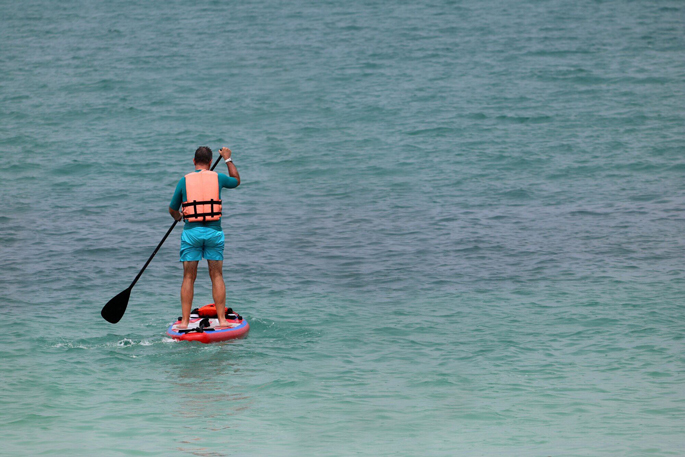
Dozens of stand-up paddleboarders have been pinged for not wearing a lifejacket in the Bay of Plenty region, with many thought to be unaware of the requirement.
The offence can attract a $200 fine under the region’s Navigational Safety Bylaw.
The rule also applies to other watercraft users, such as kayakers, jetski users, yachties and other boaties.
The latest Bay of Plenty Regional Council figures showed that between October 18 last year and January 8, 124 people were caught not wearing a lifejacket or personal floatation device as required.
That was more than triple the 38 breaches from the same period last summer.
Paddleboarders were the most frequently snapped category of water users, racking up 57 breaches this summer, up from 13 last summer.
Seventeen kayakers and 31 people in recreational powerboats were also among those caught short on safety gear this summer.
Harbourmaster Jon Jon Peters and the council’s maritime teams are monitoring the use of lifejackets and personal flotation devices (PFDs) in the region, including Tauranga Harbour, Rotorua Lakes and Whakatāne/Ōhiwa, the council said.
While patrols had seen “great examples of responsible lifejacket use” this summer, they had also seen “far too many” not carrying or wearing lifejackets when they should.
“It only takes one unexpected moment on the water for things to go wrong.
“Regardless of whether people are using a stand-up paddleboard (SUP), kayaks, boats, jetskis or any other watercraft, the same rules apply.“
Peters said paddleboarders and kayakers needed to know that “wearing a lifejacket or a personal flotation device is not optional, it’s compulsory”.
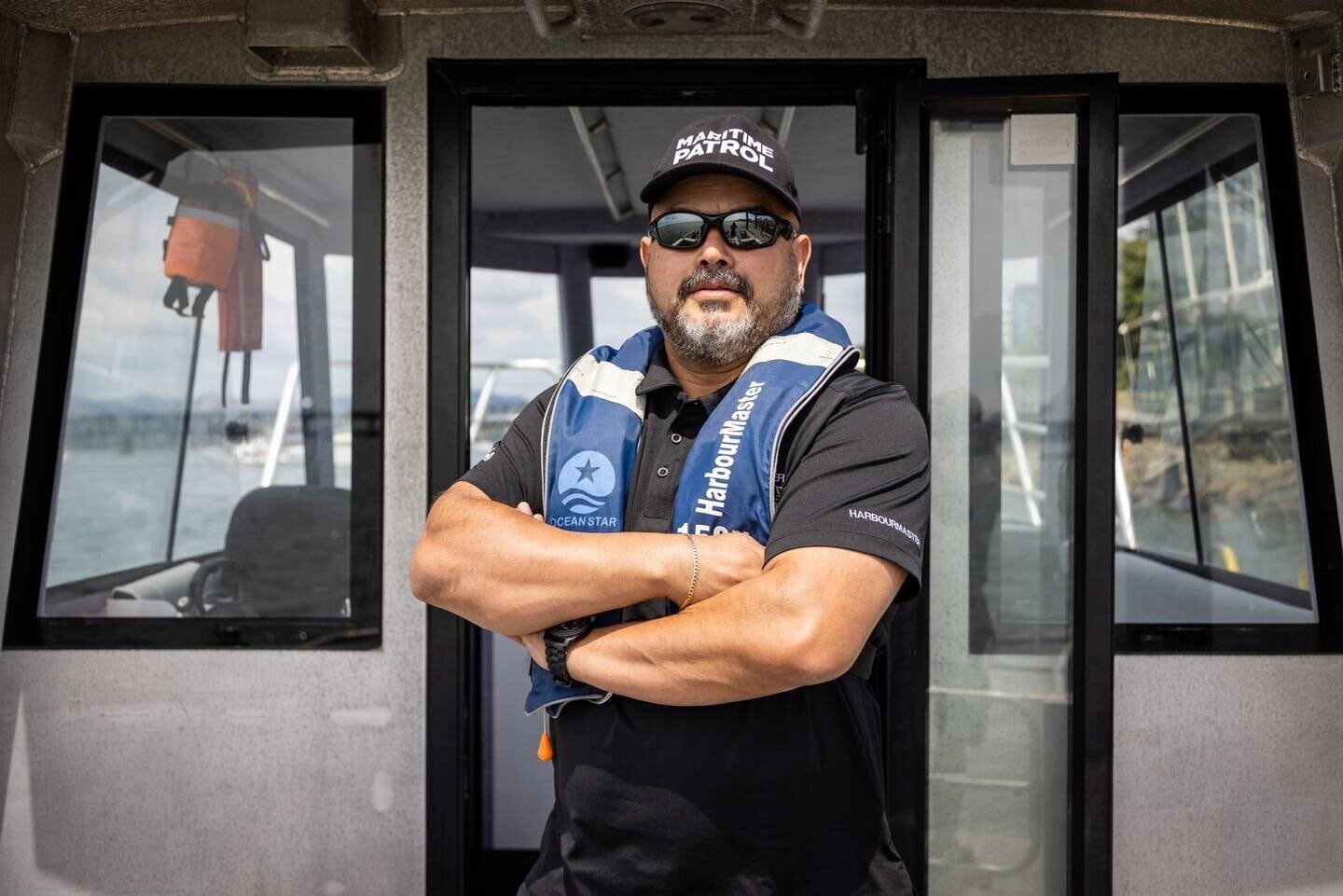
Bay of Plenty Regional Council harbourmaster Jon Jon Peters.
He said stand-up paddleboards were an “increasingly attractive option” for people who wanted access to the water without the “considerably more expensive” cost of a boat or jetski.
Conversations with people new to paddleboarding, in particular, showed that many were unaware of lifejacket requirements, Peter said.
Other factors that could be contributing to the increase in breaches this summer included good weather getting more people out enjoying the water – resulting in more patrols – and changes to how breaches were managed.
Peters said in previous years, breaches in certain circumstances were addressed solely through education and verbal warnings.
“Now, breaches are being formally recorded to ensure accurate compliance data is gained and to better understand water users’ knowledge of the rules.”
The council said maritime patrol crew members wear body cameras and every interaction with a person caught breaching the bylaw was recorded.
Evidence gathered was referred to the harbourmaster and reviewed by senior members of his team to determine whether an infringement notice should be issued.
The number of infringements issued this summer was not yet available because some of this year’s breaches were still being processed.
Oceanna Skudder-Preston, a paddleboard instructor and management team member at Mauao Adventures, said in her experience, there needed to be greater awareness of the rules.
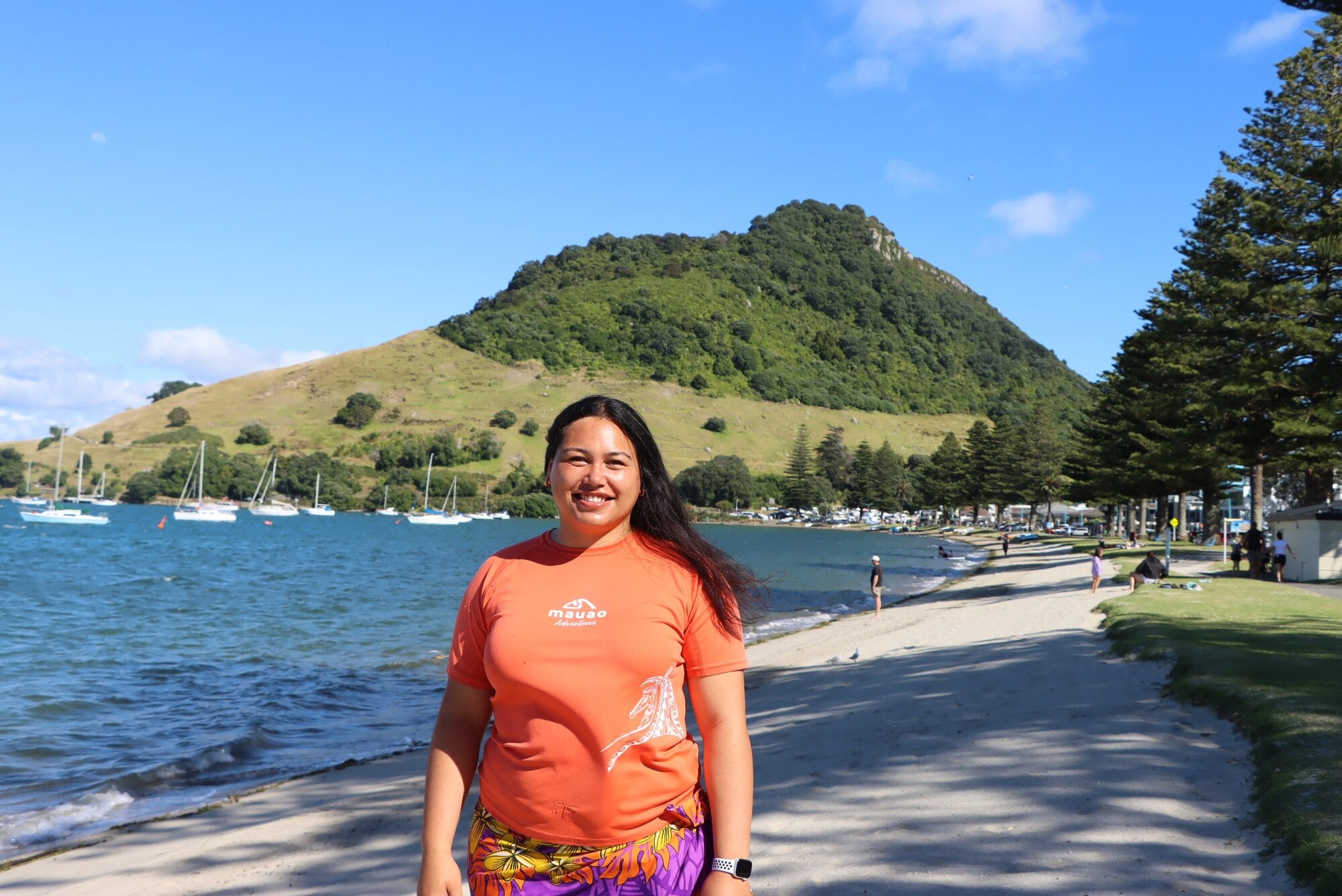
Mauao Adventures paddleboard instructor Oceanna Skudder-Preston. Photo / Kaitlyn Morrell
“It is not uncommon for people to question why they need to wear a lifejacket or PFU when they hire a stand-up paddleboard from us for a paddle in Pilot Bay.”
She said some people have even suggested that wearing a lifejacket would restrict their ability to take photographs and “do manus” (jump into the water to make a big splash) from a paddleboard.
“I don’t think there is enough appreciation of the risks of not wearing one, given that the weather and sea conditions can quickly change even on a sunny day,” Skudder-Preston said.
“People’s health and safety are paramount to us and we won’t allow anyone to hire one of our paddleboards without wearing the right safety gear.”
Tauranga Volunteer Coastguard unit manager Richard van der Jagt said he encouraged everyone using recreational watercraft to wear lifejackets.
“Today, they are lightweight, small and comfortable, so there is no reason not to wear one. The evidence is clear that wearing one can save your life.”
He said Coastguard New Zealand was working with Hutchwilco and Hunting and Fishing New Zealand across the country to do an “Old 4 New” lifejacket swap through January and February.
“Simply bring in your old, damaged or ill-fitting lifejackets to any Hunting & Fishing store until February 28 and purchase a new Hutchwilco lifejacket at discounted prices.”
Lifejacket rule breaches
Here is a breakdown of the numbers of people caught not wearing lifejackets in breach of the Bay of Plenty Regional Council Navigational Safety Bylaw between October 18 and January 8 over two summers.
2025/26 breaches
- 57 stand-up paddleboarders
- 17 kayakers
- 31 recreational powerboats
- 6 dinghies
- 2 yachts
- 11 other personal watercraft
- Total: 124
2024/25 breaches
- 13 stand-up paddleboarders
- 9 kayakers
- 4 dinghies
- 9 recreational powerboats
- 3 people other personal watercraft
- Total: 38
Source: Bay of Plenty Regional Council
Sandra Conchie is a senior journalist at the Bay of Plenty Times and Rotorua Daily Post who has been a journalist for 25 years. She mainly covers police, court and other justice stories, as well as general news. She has been a Canon Media Awards regional/community reporter of the year.

0 comments
Leave a Comment
You must be logged in to make a comment.