


Monitoring information collected by the Bay of Plenty Regional Council on lake quality is now available on the Land, Air, Water, Aotearoa (LAWA) website – one of the first sites of its kind.
Launched in 2014, www.lawa.org.nz displays data on river and lake quality, swimming and real-time flow, rainfall and groundwater data.
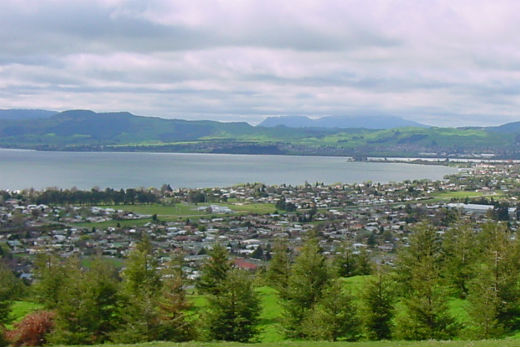
Data concerning the condition of the lakes is now available nationally. Photo: File.
It's believed to be one of the first websites of its kind to bring national water quality and quantity data together in one place.
'The lakes are important to the region's communities and we hope publishing this data on the LAWA site will help grow awareness of the need to protect them,” says council science manager Rob Donald.
Rob insists the council takes its role as guardian of the Bay of Plenty's lakes seriously, and works with local communities and central government to improve water quality where it is compromised.
It also works hard to reduce the impact nutrients have on freshwater.
'Lake quality is directly impacted by the way the surrounding land is used,” says Rob.
'Lakes are sensitive to high levels of nutrients such as nitrogen and phosphorus, which can cause excessive weed growth and algal blooms.”
One of the main indicators LAWA uses to describe a lake's quality is the Trophic Level Index (TLI). This is based on water clarity, algae content, total phosphorus and total nitrogen.
'The more nutrients in the water, the higher the TLI score. A higher TLI score typically means poorer water quality,” says Rob.
Of the 12 Rotorua Te Arawa lakes, four are classed as good or very good, five are classed as average and three are classed as having poor or very poor water quality.
The LAWA website means people can get information about the quality and availability of New Zealand's natural resources online.
LAWA also features the state and trend of more than 1000 river sites around the country and shows how much water is available and how it is being used.
More data about the quality of New Zealand's lakes will be added in the next few months, followed by air quality monitoring information.

0 comments
Leave a Comment
You must be logged in to make a comment.