


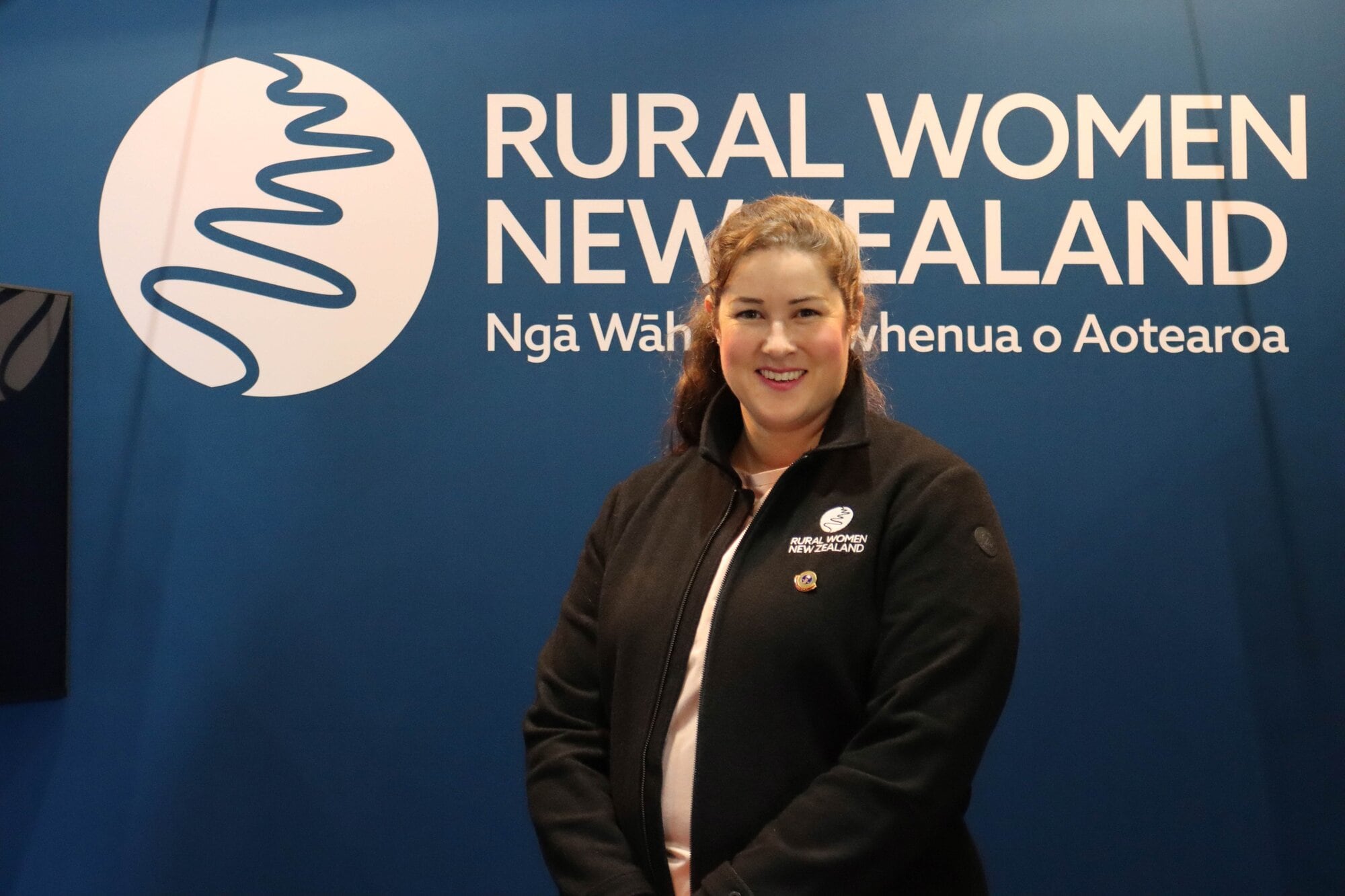
Rural Women New Zealand has called for its members not to be overlooked in a Telecommunications Sector Review.
“Different people need different services,” says RWNZ business and connectivity convenor Nicole Oliver. “It’s not one size fits all.”
Submissions close on September 25 on a review initiated by Minister for Regulation David Seymour and Media and Communications Minister Paul Goldsmith.
The ministers say they decided to implement the review on the back of concerns raised with them by the sector.
Aligned to this, the Commerce Commission has recommended to Goldsmith that the rural copper network be deregulated.
If this is accepted by the minister, Chorus, the telecommunications infrastructure company that owns the copper network, will be able to begin withdrawing copper infrastructure in rural areas.
Telecommunications commissioner Tristan Gilbertson says technology has transformed rural connectivity over the past two decades and copper regulation is no longer necessary to promote competition.
“Rural consumers continue to move off copper and onto cheaper and better-performing alternatives in large numbers. We consider there’s now enough competition in the market to warrant removing copper access regulation,” says Tristan.
Under the Telecommunications Act, the Commerce Commission must consider whether copper regulation is still needed to promote competition.
Having received the Commission’s recommendation, the decision to remove copper regulation now sits with the Minister for Media and Communications.
Declining use
Tristan says less than a third of rural consumers now use copper, and that number continues to decline as consumers move to better performing alternatives.
“Most rural consumers can now access three alternative technologies that are often more affordable, better performing, and more reliable than copper.”
Nicole says it is estimated that about 80,000 rural consumers are still on the copper network across the country, and ensuring their concerns are heard is a key aspect of Rural Women’s submission to the telecommunications Sector Review.
“Connectivity is essential for rural New Zealand and access to reliable, affordable telecommunications underpins so many of our rural businesses, communities and essential services,” she says.
“While we understand the need to update regulation to reflect new technologies, we must ensure that the needs of rural communities are protected.
“Any changes to the Telecommunications Service Obligation and the treatment of copper networks must not leave rural customers behind,” says Nicole.
RWNZ is calling for a binding code enforced by the Commerce Commission to protect consumers where alternative connectivity options are limited and not deepening the divide between urban and rural areas.
“It’s about making sure rural customers, that still rely on copper connections, are not left behind,” says Nicole.
She says the phasing out of 3G (third generation) networks in favour of 4G or 5G also has the potential to create further “black spots” in rural areas.
“Those in rural and remote areas are at real risk.”
Nicole says, along with mobile phone and internet services, this also relates to security and medical alarms.
Farmers are also increasingly reliant on telecommunications technology in their everyday activities including animal identification and monitoring, plus associated aspects including water supply and pasture growth.
Central hub
Members need support transitioning to alternative services, with a central hub for information and advice, Nicole says.
RWNZ recommends that members check their devices and talk to service providers “sooner rather than later”.
Oliver says while there are alternatives to the copper network, it is not always straightforward.
Wireless devices need to be “in eyesight” of a cell phone tower, while a satellite service could be more costly and involve greater technical support.
“Rural customers need an affordable and reliable service,” says Nicole. “Members must have support transitioning to alternatives, and we have to have consistent service standards.”
“While we understand the need to update regulation to reflect new technologies, we must ensure that the needs of rural communities are protected.”
Chorus says the Commerce Commission’s recommendation to deregulate the copper network reflects there are now better alternatives.
“This recommendation acknowledges that copper is no longer essential for competition and is nearing the end of its useful life,” says general counsel Kristel McMeekin.
“It provides clarity for consumers and industry and sets a clear path forward for copper retirement.”
Kristel says copper connections have declined by nearly 95%, and the network has been surpassed by a range of alternative technologies that deliver more reliable and higher performing connectivity.
“The market has changed, and this recommendation reflects that.”
Kristel says Chorus acknowledges the importance of copper to those who still use it and is working closely with the Commerce Commission, Government and retail service providers to ensure a clear and transparent process for copper retirement is in place as soon as possible.
“We are committed to ensuring a smooth transition to better, more reliable and fit for future technologies.”

0 comments
Leave a Comment
You must be logged in to make a comment.