


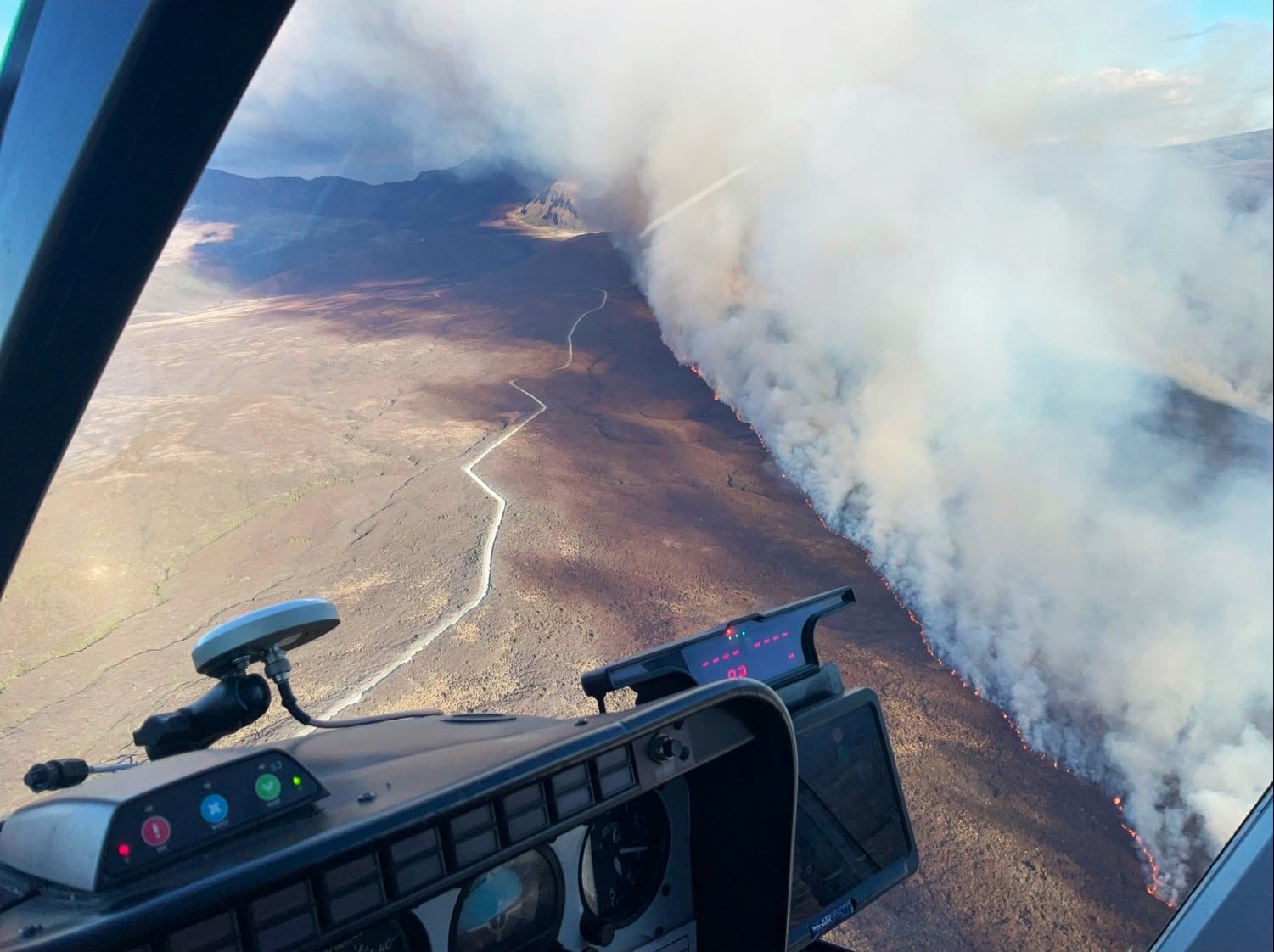
Residents with a respiratory condition living near the Tongariro National Park fire are being urged to take precautions to protect themselves from exposure to the smoke.
The Asthma and Respiratory Foundation NZ advised residents near the blaze - and in the wider region - to close all windows and doors if staying inside, or wear N95 or KN95 masks if going outside.
The fire, which was about 2800 hectares, had been burning since Saturday afternoon.
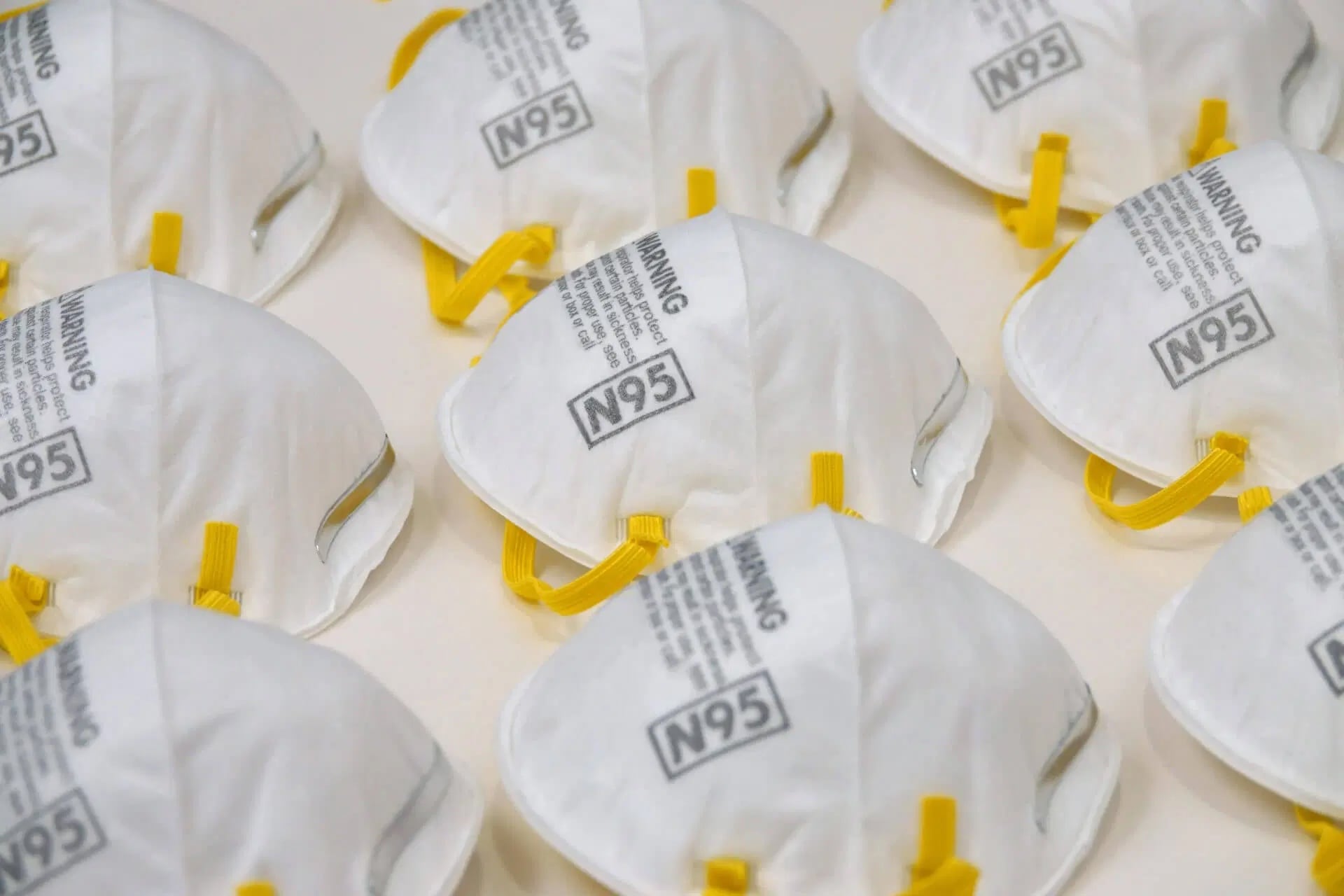
The Asthma and Respiratory Foundation NZ is advising residents near the blaze - and in the wider region - to close all windows and doors if staying inside, or wear a N95 or KN95 mask if going outside. Photo / File
Foundation chief executive Letitia Harding said people staying indoors should keep all windows and doors closed, and anyone going outside should wear a properly fitted N95 or KN95 mask.
“Bushfire smoke contains tiny particles that can irritate the lungs and airways, posing risks for everyone, especially children, older people, and those with pre-existing respiratory conditions.
“For people with asthma, COPD, or other lung conditions, smoke exposure can trigger flare-ups, which in serious cases may require hospitalisation,” she said.
“It’s important to limit exposure and keep medications like reliever inhalers on hand.”
People travelling near the smoky area should keep their car windows closed and set their vehicle’s ventilation system to recirculate air, Harding said.
“This will greatly reduce smoke entering the cabin.”
The foundation encouraged everyone in affected regions to stay informed about smoke conditions, plan activities carefully, and take practical steps to protect their lung health.
“Understanding the risks, reducing exposure, and using effective protective measures are the best ways to safeguard your lungs during this fire,” Harding said.
One in five Kiwis are affected by respiratory disease, the third leading cause of death in New Zealand.

0 comments
Leave a Comment
You must be logged in to make a comment.