


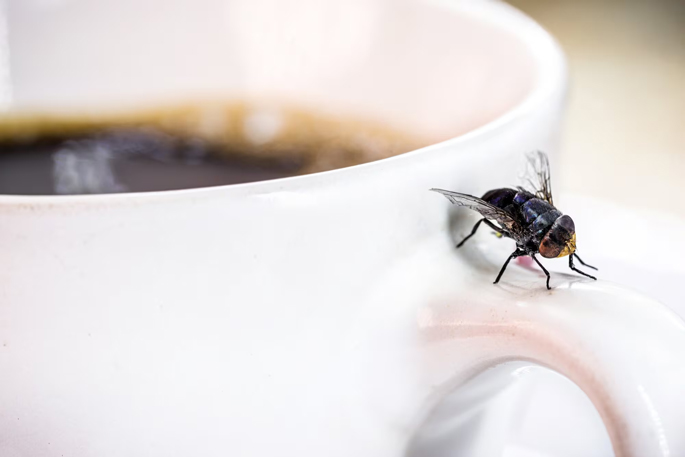
Ants in your pantry? Flies in your living room? Creepy crawlies in your couch?
A New Zealand summer brings (sometimes) great weather but it can also come with some unwanted house guests.
But what is it that draws unwanted insects and creatures into our homes at this time of year? And how can we get rid of them?
Dr Paul Craddock, a member of the Pest Management Association of New Zealand (PMANZ), has more than two decades of practical pest control experience.
“With insects in particular, their biology is based around what’s going on in the climate,” he says.
“You have good seasons, you have bad seasons, you have early seasons, you have late seasons, and so on.”

Dr Paul Craddock of the Pest Management Association of NZ. Photo / Jed Bradley.
What pests are more prevalent in summer?
Craddock notes that at this time of year, ants in particular start to become more pronounced across the country.
“They’re basically multiplying, and their nests are expanding. It’s nice and warm and nice and damp for them, so they’re really liking that.
“The other insect that would be starting to get more popular is flies. Your blowflies and your house flies, they’re buzzing around the place. They like the moisture, and they also like the warm weather, so they’re just a bit more visible and are coming into people’s houses through the windows and open doors.”
It’s a similar pattern with mosquitoes, Craddock says, which tend to come out at night after hanging around stagnant pools of water and damp areas.
“A lot of mosquito activity is driven by climate. In Auckland now, we’re getting a bit of rain, so you’re getting pockets of water where the larvae are breeding, and then they are coming through the windows at night because it’s so hot and humid.”
Cockroaches, he says, also start becoming more active during the summer months and could trickle in through open windows and doors.
As for furry critters, Craddock says New Zealand does have a definite rodent season, typically in autumn, but people would still see them all year round at times.
“They often tend to be a little bit of a problem in commercial environments, as well as in restaurants and cafes.”

Pesky mosquitoes tend to hang round stagnant pools of water. Photo / Warren Buckland
Prevention starts with cleanliness and good airflow
While Craddock says challenges will differ depending on the pest, there are general housekeeping tips people can apply to combat many of the common ones mentioned above.
“For ants, it’s just a general hygiene thing – keeping your things cleaned up and tidy. It’s a similar sort of thing with flies. They’re coming inside because there’s something that smells nice, so that could be cooking, rubbish, or just general stuff on the kitchen bench.”
But there are some things you can do, like getting rid of your rubbish, putting food items in the fridge, freezer or in the garage, and cleaning your benches down to prevent insects from feeding on any waste.
“Basically, you’re just removing their food source that might be causing them to become attracted to being inside.”
Naturally, we want to keep our windows open during the summer months. Craddock says that despite looking “a little bit ugly”, old-fashioned fly screens do work well to keep unwanted pests out.
“There’s also airflow. Particularly flies and mosquitoes don’t really like it when it’s windy, so you’ll often find that on a windy day there aren’t many flies around because they’re all kind of hiding.
“You can create artificial wind in your house with things like ceiling fans, air movement, pedestal fans, just to push air around so that it deters them from landing and being in that space. Same thing at night-time. If you’ve got mosquito issues, just a pedestal fan in the bedroom, blowing air around, [can help].”
Small tabletop fly propellers can also prevent flying pests from landing on food and staying in the area.
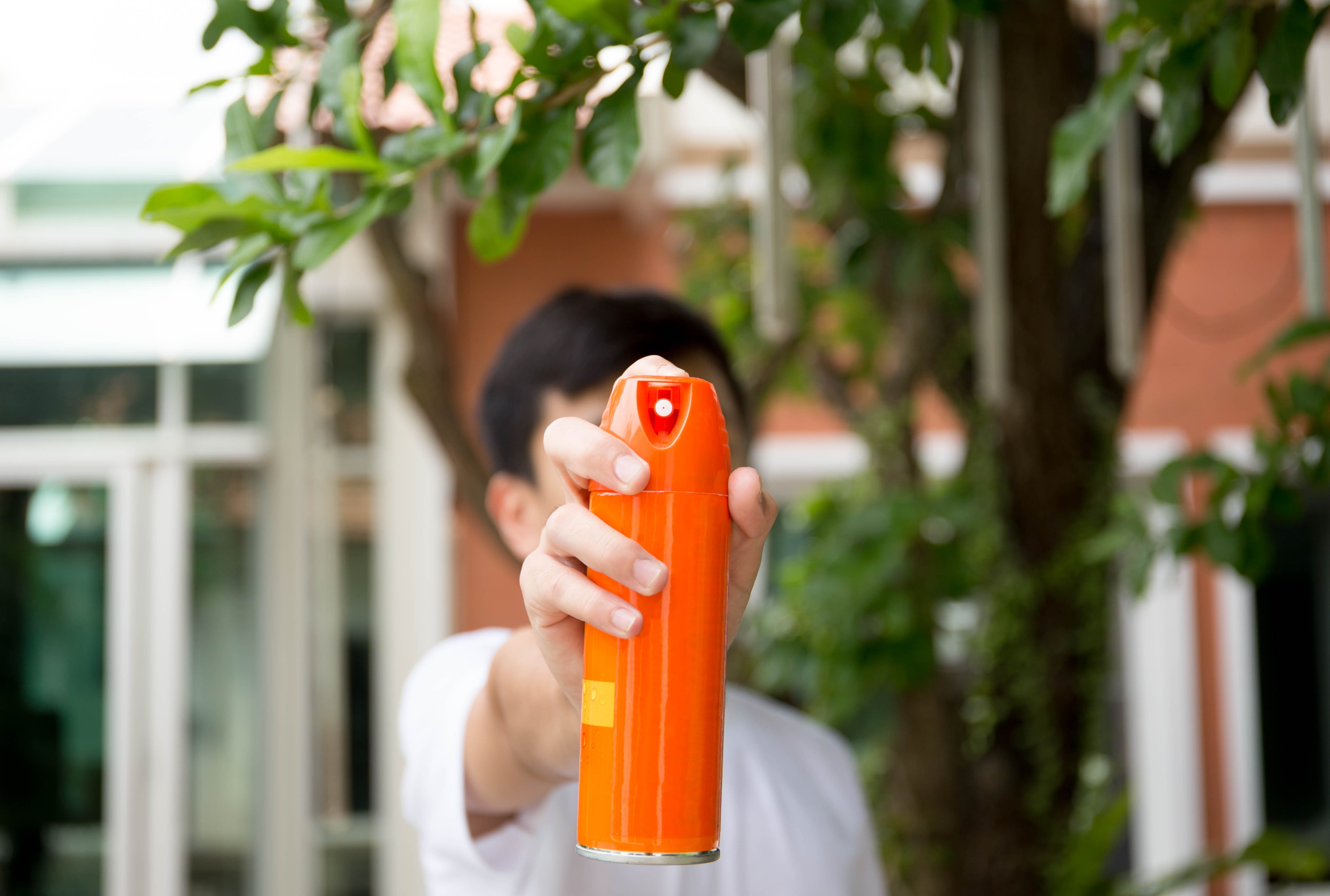
Sometimes, sprays will be needed to solve a problem but take care when using them. Photo / 123RF
What about traps, chemicals and when to call in the professionals?
Sometimes, larger and more persistent pest problems require further action and a “last line of defence”.
“You’ve got things like fly sprays and so on, which are pretty straightforward. And ant baits are also a good way of getting rid of ants – using a baiting programme with the sugar-based baits or the protein-based baits you can buy in the hardware store.”
Baits are good for ants because, unlike the unpredictability of sprays, there is a bigger chance at killing the queen, Craddock says.
“For flies, when you’re looking at that sort of stuff, you’ve got to be a wee bit careful with some of the sprays ... they will kill flies instantly, but they won’t stop anything from coming in.”
He says professional pest controllers can do things like apply a more residual product to the surfaces for a longer-lasting solution.
“There are also things like the fly traps you can get. They do smell a bit, some of them ... they have a rotten meat smell, which is how they attract the flies.”
UV light traps, traditional bug zappers, and glue board traps are also possible options.
“But again, nothing’s ever perfect with these things. [The insects] will fly in through the window and might take a period of time to die, or land on a surface, or get caught in a trap. So a lot of it is [going back to] that hygiene thing to reduce the population.”
Rodent snap traps (kill) and live-capture traps are also legal in New Zealand, but Craddock notes they must be used in a humane manner and checked frequently to ensure they don’t cause further issues.
When deciding on whether to get professional help, Craddock says it is often hard to make a judgment call.
“Different people have different tolerances. Some people don’t mind it too much, while others have a very low tolerance for pests. I guess the point at which you want to call in a professional is when your DIY remedies aren’t working,” he says.
“You can also have peculiarities of where people are living. So, for example, people who live in rural environments often have a huge issue with various types of flies. There might be a lot of livestock around; they might be keeping chickens and things like that. You’ve then got a huge fly population, and nothing you do sort of dents it. So, that’s the time to call in a professional.”
Craddock says people should always look to hire a PMANZ-registered technician, as these industry body-approved servicepeople receive extra training and attend industry events with other certified pest controllers
Mitchell Hageman joined the Herald’s entertainment and lifestyle team in 2024. He previously worked as a multimedia journalist for Hawke’s Bay Today.

1 comment
I Absolutely Flys
Posted on 08-01-2026 08:26 | By Yadick
I've always sprayed inside and out with Ripcord. Do all my ceilings, door frames, walls, everything I can. Awesome stuff. After couple of days there's almost a ring of dead insects around the house.
Leave a Comment
You must be logged in to make a comment.