


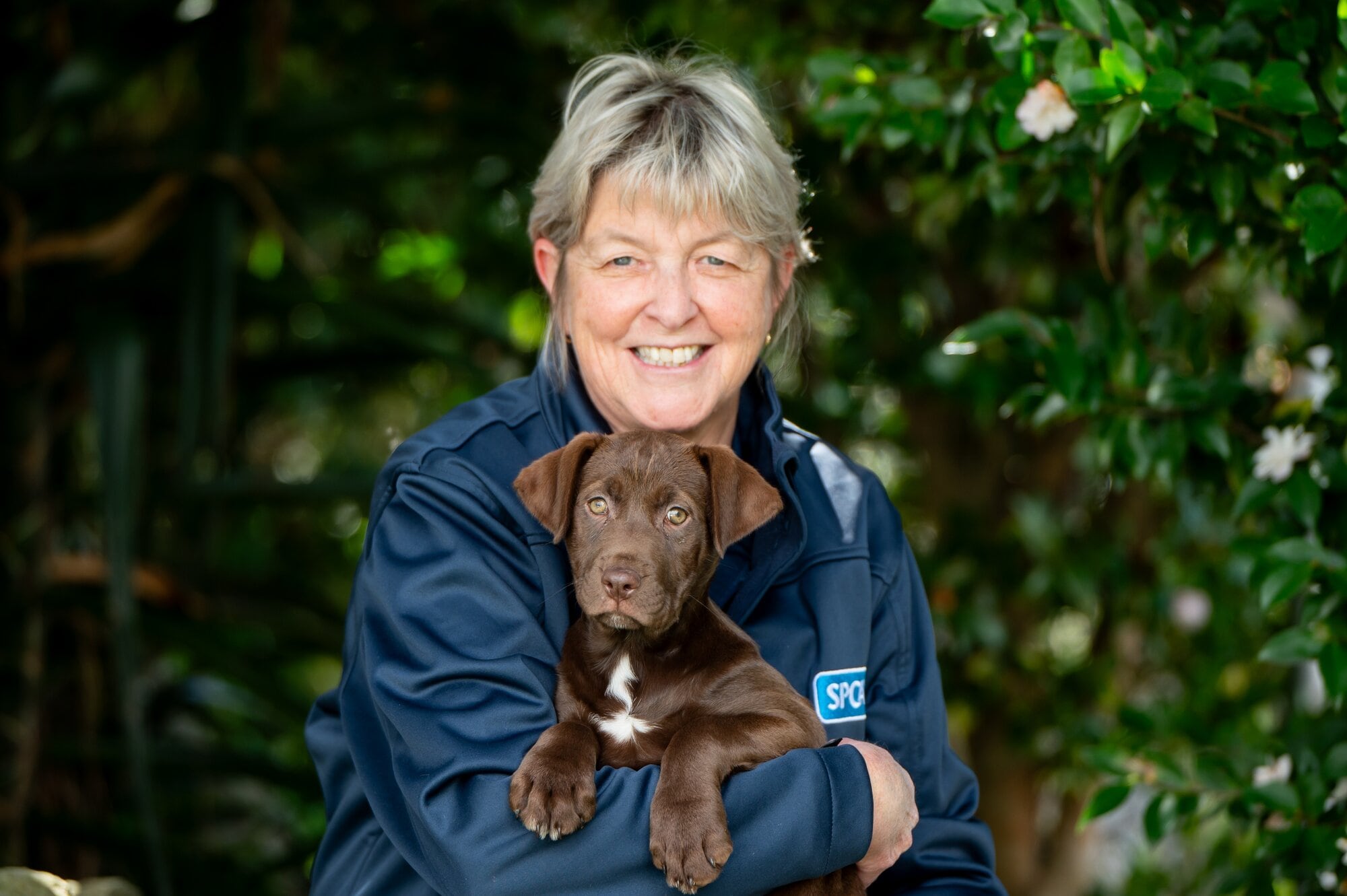
The time has come, the “terrible twos” of puppies… the teething stage.
The teething stage is when puppies lose their baby teeth and grow an adult set, with the process causing discomfort that can lead to increased chewing, drooling and irritability.
This sudden change in behaviour to a nippy and frustrated pet can cause the “puppy blues” when new owners ask themselves, “why did I get a dog?”.
In light of the struggles new puppy owners face during this stage, SunLive has contacted some of Tauranga’s dog trainers, behaviourists and specialists to offer dos and don’ts and tips and tricks to make this phase more manageable.
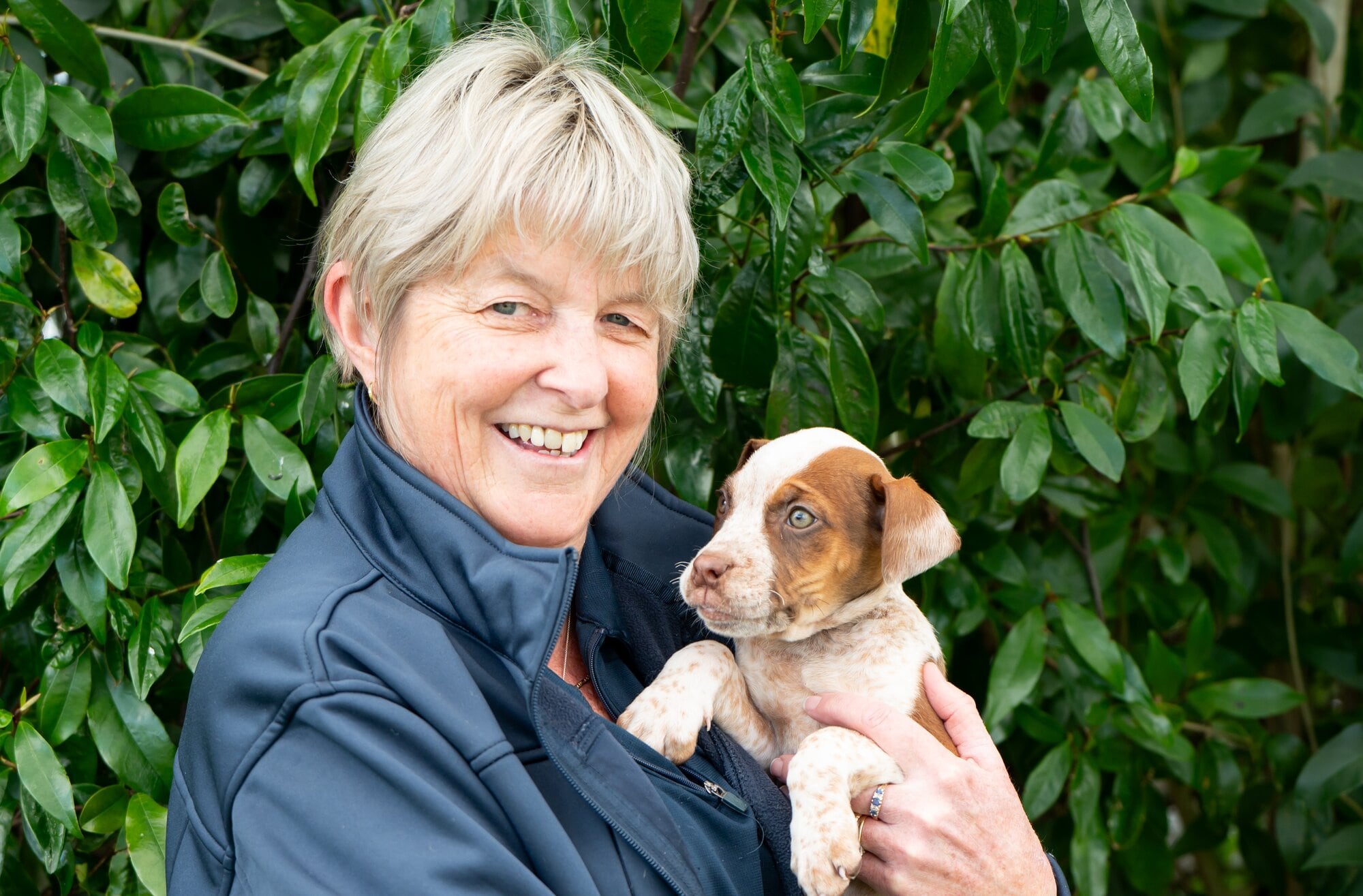
Tauranga SPCA manager Andrea Crompton with puppy Astrid. Photo / Brydie Thompson
Tauranga SPCA manager Andrea Crompton said puppies chew for several reasons.
“Teething starts between 2 and 4 weeks and ends by 6 months when all of the puppy teeth have fallen out and are replaced by adult teeth.
“Teething can make their gums sore or itchy and chewing provides relief. Puppies also explore the world with their mouths and chew to relieve boredom or anxiety.”
Overall, chewing is a normal, healthy behaviour, she said, but “without guidance, it can lead to destroyed shoes, furniture, or other household items”.

Selina McIntyre, pictured with Trev and Lily, is a dog behaviourist and trainer from Dogs Best Friend and operates in Hamilton, Waikato, Tauranga, the Western Bay of Plenty and Rotorua. Photo / Supplied
Dog behaviourist and trainer Selina McIntyre from Dogs Best Friend, which covers Hamilton, Waikato, Tauranga, the Western Bay of Plenty and Rotorua, said it had been shown that a dog’s endorphin levels increase when chewing.
“You cannot try to stop your dogs from chewing completely, it is too chemically rewarding, so it is very difficult to train out. You should instead redirect to acceptable items.
“Pushing your dog away will often reinforce the behaviour as they can see this as a game.”
McIntyre said you could start with a stern “bah” and clap or shake a plastic bottle with pebbles in it to get their attention and coax them away to another location to spend a few minutes playing with an acceptable toy.
Crompton said the key is to channel the puppy’s behaviour onto appropriate toys, treats and teething aids, to teach puppies what is and isn’t acceptable to chew.
To avoid accidents, Crompton advised puppy-proofing your home by keeping shoes, clothing, electrical cords and other valuables out of reach.
“Provide plenty of appropriate chew toys to give them outlets for chewing.”
She said pet shops offer safe chews and toys with a variety of textures and types, including soft rubber, rope and nylon. Chilled toys could help soothe sore gums, and rotating toys regularly helps avoid boredom.
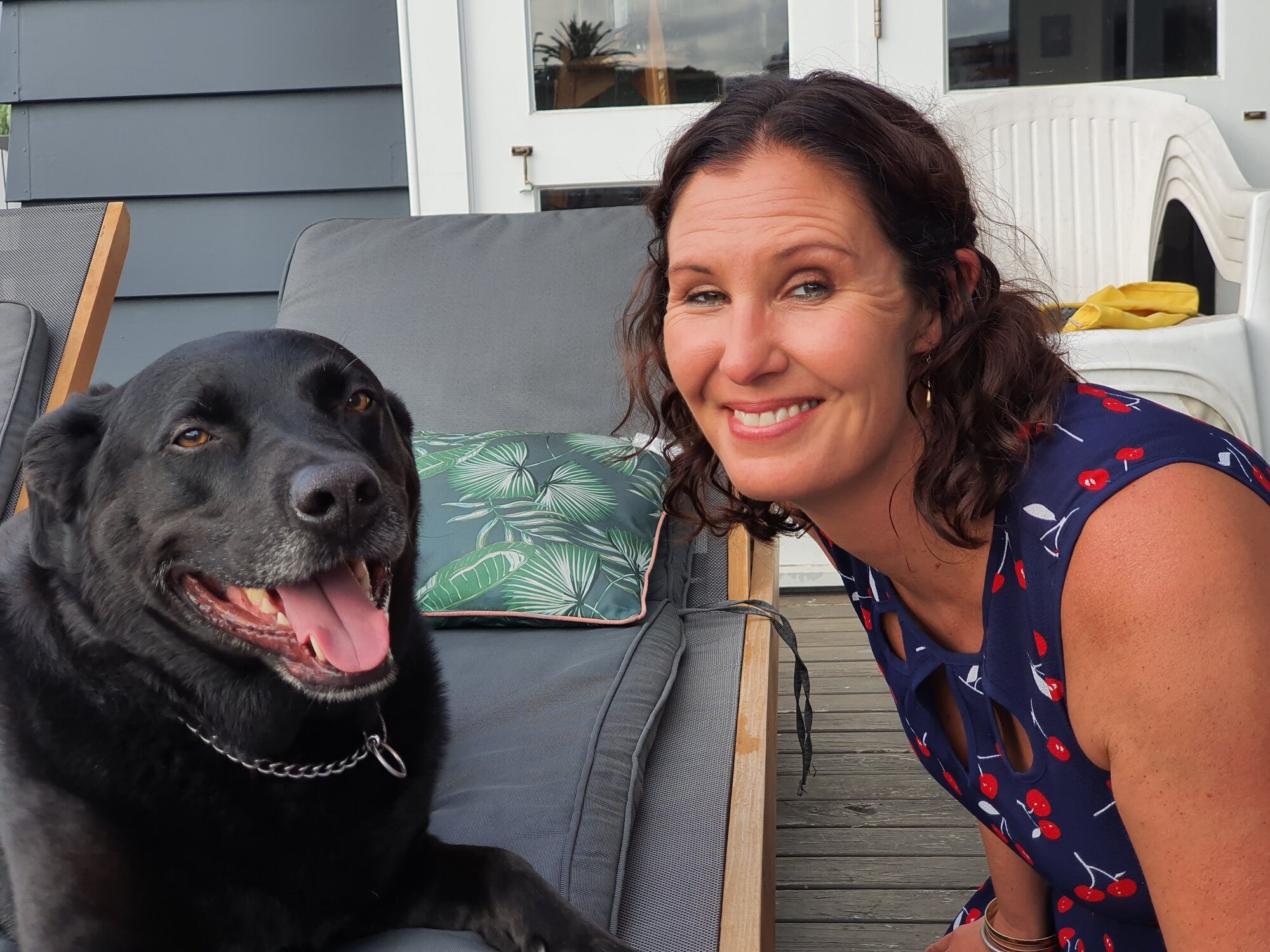
Tauranga dog trainer Kat Stephenson from Dogs Are Us with past pet Tama. Photo / Supplied
Tauranga dog trainer Kat Stephenson from Dogs Are Us, said cow hooves, pig’s ears, beef chews and ice cubes were also good options.
“You can make some fun yummy ice treats with a bit of water and stock, and you can throw bits of fruit, meat and veges in there that they can get to as the ice melts.”
Welcome Bay dog trainer Emma Fray from Training Tails said chewing toys was something you want puppies to do, so make it fun and upbeat: “A smear of peanut butter to engage the nose into the toy can also help.”
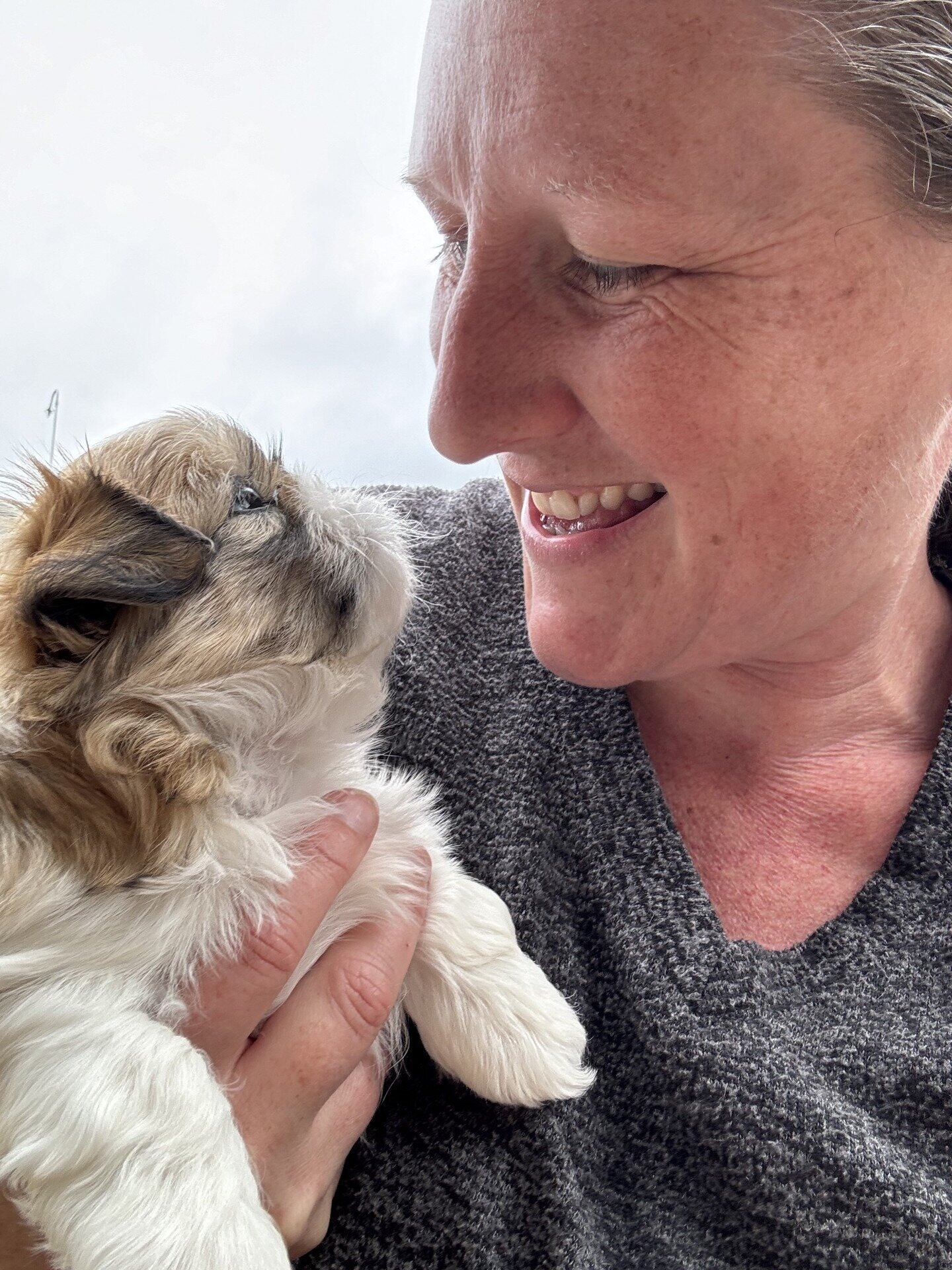
Welcome Bay dog trainer Emma Fray from Training Tails has advice to help owners get through their pet's teething stage. Photo / Supplied
“Putting chew toys in the freezer can help eliminate the teething pains,” she said. A frozen carrot was a good option as they were inexpensive.
Fray said owners should avoid becoming animated when a puppy is chewing something it shouldn’t be.
“Moving arms or fingers become irresistible and lead to chase games and can unintentionally teach pup that biting creates this game.”
Fray said not to yell or get frustrated, as this damages the bond between you and the puppy by creating fear.
Crompton said, “Consistency across caregivers helps puppies quickly learn which items are acceptable.” She also said to avoid punishment to prevent fear or anxiety in your pet.
Puppies can learn to control the force of their bite through play with other puppies. “If they bite too hard, the other puppy yelps and play stops, teaching them gentleness.”
Crompton said during play with humans, puppies may nibble or mouth hands and clothing. She said to keep toys within easy reach so you could distract the puppy with them.
“If nipping continues, briefly withdraw attention or leave the room for 30–60 seconds. This shows that biting ends the fun.”
During the teething stage, it is important to monitor teeth development to watch for retained baby teeth or signs of dental problems. To help prevent dental issues, Crompton said this was a good age to introduce teeth brushing.
“By age 2, around 80% of dogs have some form of periodontal disease.
“Chews can help clean teeth, but the gold standard for preventing build-up of plaque and tartar is tooth brushing.”
She advised starting early, using a soft-bristle toothbrush and pet-safe toothpaste to create a positive routine.

0 comments
Leave a Comment
You must be logged in to make a comment.