


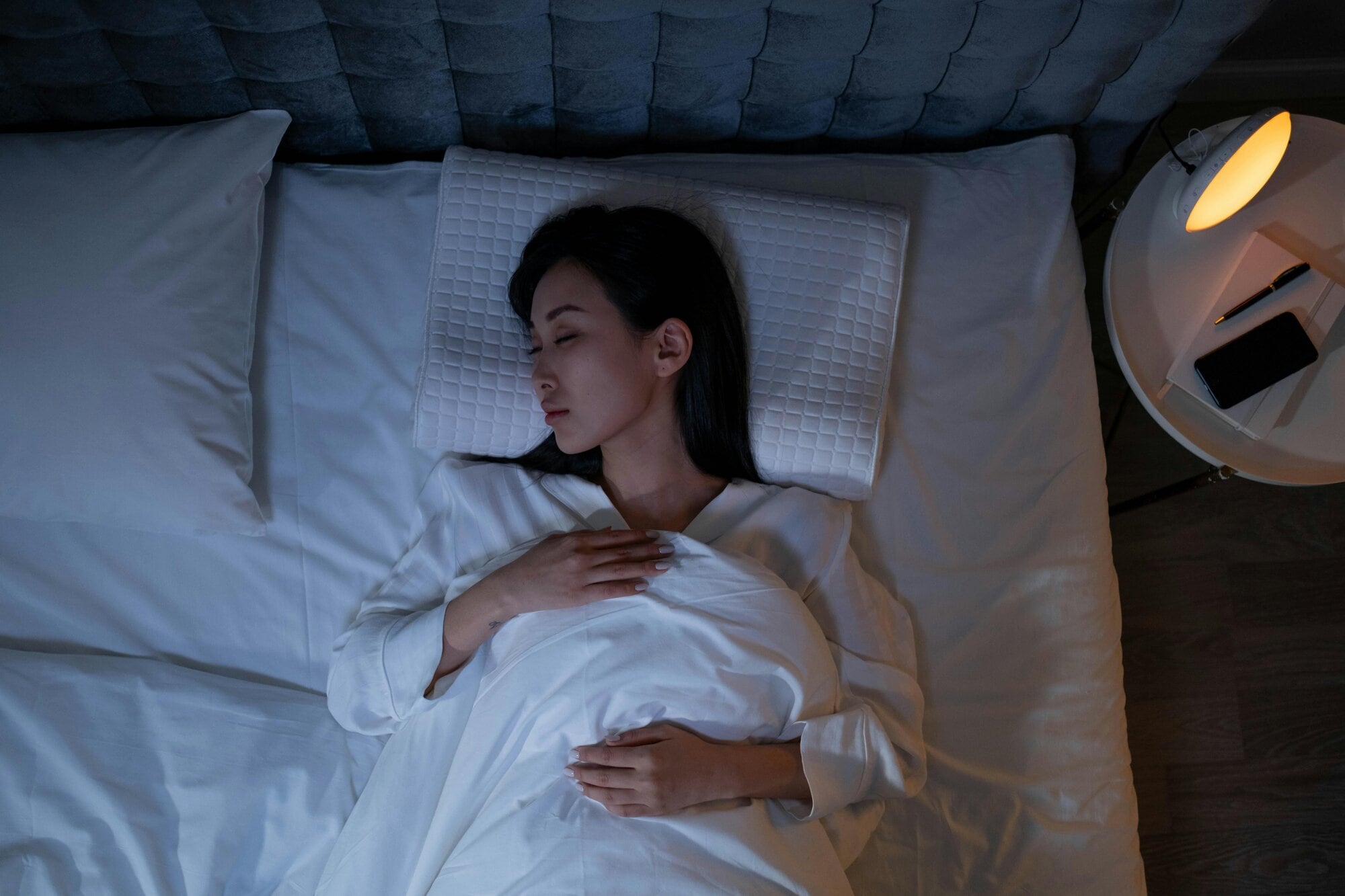
As Halloween casts its eerie glow, new research reveals that the Bay of Plenty’s most terrifying experiences aren’t coming from horror movies - they’re happening in bedrooms every night.
According to sleep experts at Ecosa, Bay of Plenty residents are among New Zealand’s most frequent nightmare sufferers, with more than 47,000 nightmare-related Google searches made each month.
Recent research published in the Journal of Sleep Research says waking-life stress contributes significantly to nightmare frequency, with poor sleepers showing elevated nightmare rates compared to the general population.
The study found that stress levels directly moderate the relationship between sleep quality and how often people experience nightmares.
Given this connection between stress and nightmares, the research team at Ecosa analysed Google search data across almost 6000 nightmare-related keywords to understand which nightmares haunt Bay of Plenty residents the most.
Keywords such as “tsunami nightmare” and “naked dream” were used to collect data.
Top nightmares in the BoP — and what they mean
Dreams about teeth falling out are at the top of the list, with 2590 searches per 100,000 residents.
Sleep psychologist Carly Dober said these dreams could represent feelings of powerlessness, loss of control, or concerns about appearance and how others perceive you. “The exceptionally high search rate in Bay of Plenty suggests many residents may be experiencing significant life changes or situations that make them feel particularly vulnerable or helpless.”
Spider nightmares rank second, with 1534 searches per 100,000 residents.
Dober said these dreams often reflected feelings of being trapped or manipulated. “They can indicate anxiety about someone in your life who may be dishonest, or feelings of being overwhelmed by circumstances beyond your control.” The high prevalence might point to complex social or work situations for many residents.
Falling dreams come in third, with 1422 searches per 100,000. These typically signal stress, loss of control, or anxiety about falling behind in life. “They can reflect pressure from work, relationships, or major life transitions,” Dober noted.
Fire dreams follow closely at 1380 searches per 100,000, symbolising intense emotion, from anger to transformation. “They often represent inner turmoil or suppressed feelings that are burning to be expressed,” said Dober.
Infidelity dreams, with 1084 searches per 100,000, suggest deeper relationship anxieties. “These dreams are often linked to romantic jealousy or trust issues,” Dober explained. “They can also reflect insecurity in other areas of life.”
The top 10 most searched nightmares
|
Rank |
Nightmare |
Total monthly searches |
Total monthly searches per 100k people |
|
1 |
Teeth falling out dream |
9200 |
2590 |
|
2 |
Spider Dream |
5450 |
1534 |
|
3 |
Falling Dream |
5050 |
1422 |
|
4 |
Fire Dream |
4900 |
1380 |
|
5 |
Infidelity Dream |
3850 |
1084 |
|
6 |
Being Shot Dream |
3700 |
1042 |
|
7 |
Tsunami Dream |
2950 |
831 |
|
8 |
Going Bald/ Hair Falling Out Dream |
2750 |
774 |
|
9 |
Family Member Dying Dream |
2750 |
774 |
|
10 |
Drowning Dream |
2500 |
704 |
How to keep the nightmares at bay
Dober said nightmare frequency could be reduced with better sleep hygiene.
Her tips include:
- Keeping your bedroom cool and dark
- Avoiding screens for an hour before bed
- Ensuring your mattress and pillow offer proper support
“We can reduce nightmare frequency through better sleep practices. Simple changes make a huge difference,” she said.
“When we get deeper, more restorative sleep, our brains process stress and emotions more effectively during REM cycles, which can naturally reduce nightmare intensity.”
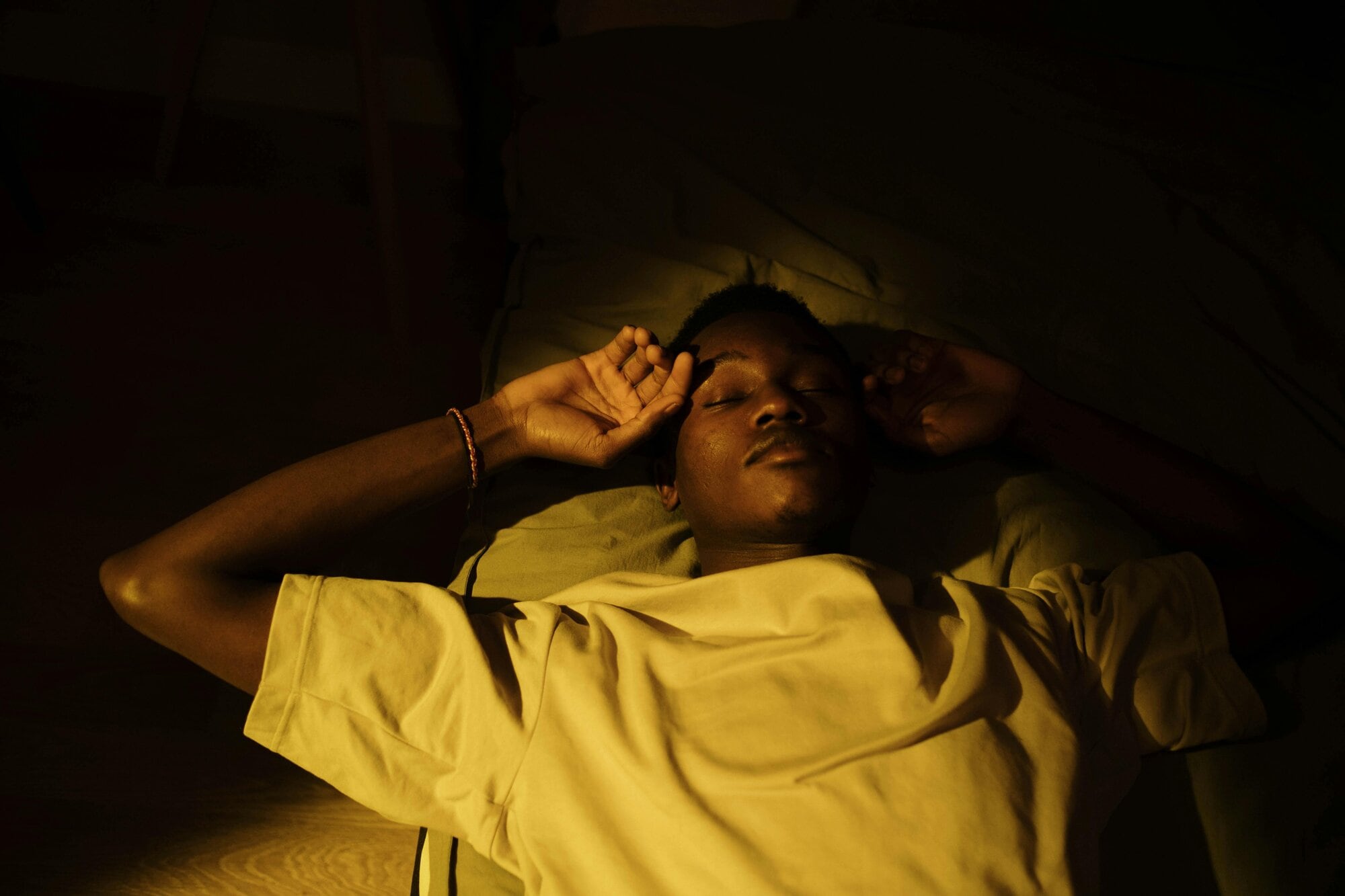
Ecosa analysed Google search data across almost 6000 nightmare-related keywords to understand which types of nightmares Bay of Plenty residents are being haunted by the most based on their Google searches. Photo / Supplied
If you’re regularly waking up from bad dreams, Dober suggested trying a consistent bedtime routine and considering whether your sleep environment was working against you.
“Sometimes the difference between a nightmare-filled night and peaceful sleep is as simple as the right pillow or removing that charging phone from your bedside table.”
So, while Halloween may bring its share of spooky fun, the real fright for Bay of Plenty residents might just be what awaits behind closed eyes.

1 comment
Drowning Dreams
Posted on 31-10-2025 11:57 | By Apteryx777
Important:
I used to have drowning dreams and was diagnosed with severe Sleep Apnea.
If you have these types of dreams where you can't breathe, or wake up gasping for breathe, please talk with your Doctor!
Leave a Comment
You must be logged in to make a comment.